
DIY Garage Door Energy Audit for Toronto Homes
Energy efficient homes start in the garage-but for many Toronto homeowners, it’s also the number one source of lost energy, comfort and money. A drafty garage door causes many problems:
- Weakens HVAC systems and drives up utility bills
- Temperatures in attached living spaces fluctuate more
- Cold air and humidity can damage stored valuables and car batteries
- Musty odours, allergies and asthma can worsen due to increased humidity
An easy DIY garage door energy audit helps you identify problem spots and hidden air leaks. The good news is, a few simple DIY steps can help uncover leaks that could save you money all year long.
Legacy Garage Doors helps our customers with smart advice and unbiased options. Learn how to conduct a DIY garage door energy audit for leaks, catch problem areas before they get out of hand, and when it’s time to call in a professional or schedule garage door repair Toronto.
The Importance of Air Seals
The Invisible Drain on Comfort and Efficiency Garage doors are one of the biggest and most frequently used moving parts in a home or business. Tiny gaps or worn-out seals add up in a hurry:
- Lost conditioned air means higher utility bills
- Temperature and humidity impact can extend into cooler rooms above and beside the garage
- Loss of soundproofing and curb appeal
That’s why no matter if you’re prepping for another GTA winter or looking for cheaper, more environmentally friendly comfort, DIY energy audits are a must.
Step 1: Check all Weatherstripping and Seals
Tools Needed: Flashlight, screwdriver, notepad, ruler
- Bottom Seal (Threshold Seal): When the door is closed, it should be flush with the floor and driveway. Look for visible daylight under the door, cracks, brittle areas, or visible water tracks when wet.
- Side and Top Seals: Check the rubber or foam strips on the top and both sides of the door. They should be flexible, continuous, and snug against the frame.
- Corners and Joints: Pay special attention to corners as these are the most common problem areas.
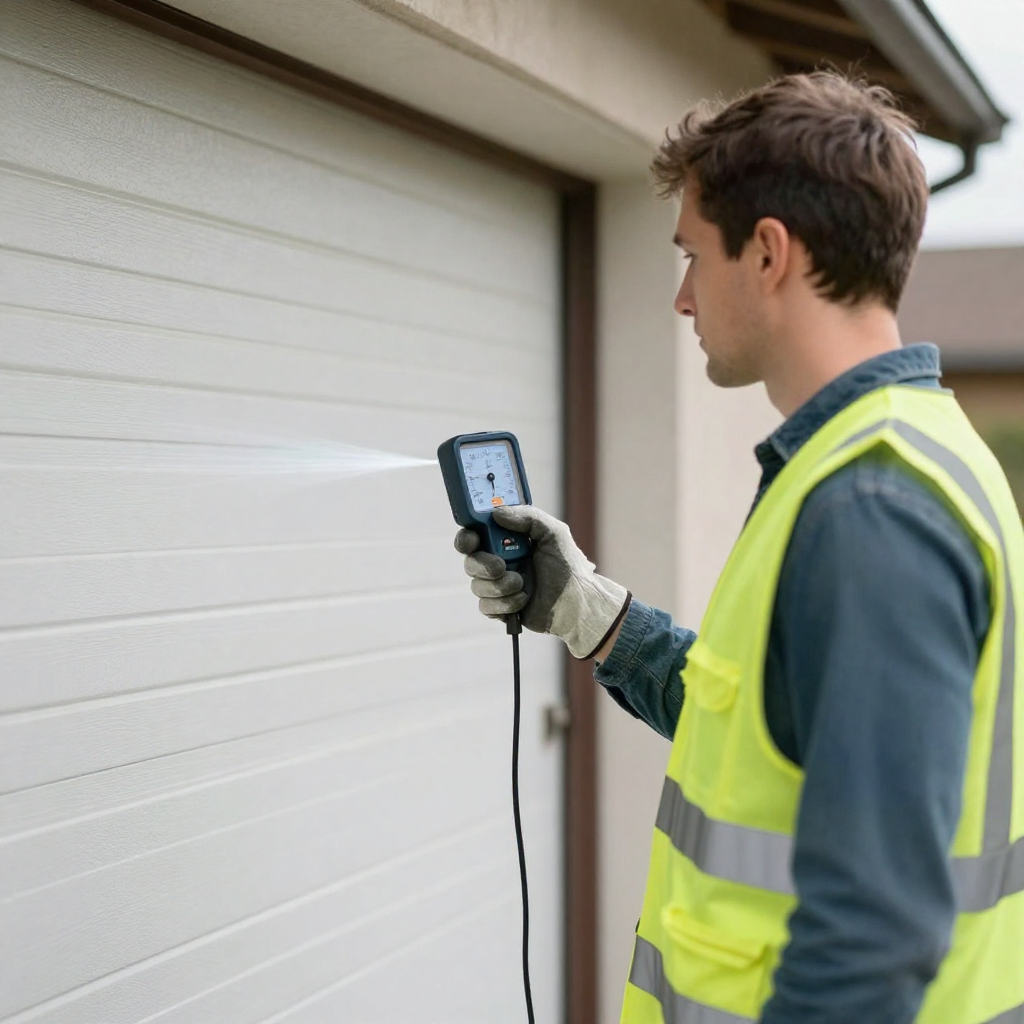
Tip: On a breezy day, run your hand around the closed door or try using a lit incense stick. Feel for cold air or watch for smoke that’s blown in and make a note of the location.
Step 2: Inspect the Door Panels and Hardware
- Panel Seams: For sectional doors, inspect the joints where panels meet. Dented or warped panels create permanent gaps.
- Windows: Door windows should have good caulking and securely fit glass.
- Hinges and Tracks: Check that hardware doesn’t pull panels away from the seals or frame.
- Action: Tighten any loose screws or hardware that cause misalignment.
Step 3: Look for Water Staining or Debris
- Water Marks: Look for water stains or rust on the bottom inside of the door where leaks have occurred in the past.
- Debris and Insects: Debris build-up in the track channels or chewed weatherstripping by insects can also cause airflow issues.
Step 4: Do the Dollar Bill Test
Slide a dollar bill or piece of paper between the closed door and the seal. If the paper can be pulled out with little to no resistance, the seal is loose. This test is particularly useful on older or oversized doors.
Step 5: Check Your Opener and Insulation
Older openers may not have enough force to fully compress weather seals. Check that your opener closes the door fully, and then see if adjustments are needed. Newer automatic openers allow customizable closing speeds and force settings for a tighter seal.
Insulation: In many climates, uninsulated garage doors lose energy faster and produce more noise. If you can easily feel a temperature difference between the inside and outside of your door, it may be time for a garage door insulation upgrade.
Tip: Legacy Garage Doors offers garage door opener replacement and insulation upgrades for significantly improved energy performance.
DIY Fixes for Common Air Leaks
Quick Fixes You Can Do Today
Replace any cracked or brittle weatherstripping (available at most hardware stores)
Use a door sweep for added bottom protection
Re-caulk any windows on the door
Call a Professional
Gaps or Leaks that Won’t Close with New Weatherstripping
Damaged, warped or severely corroded panels
Ineffective opener adjustment or safety concerns
Persistent drafts or cold air despite all DIY fixes
We have certified experts at Legacy Garage Doors that handle garage door repair Toronto for major air leaks and will always recommend energy saving upgrades with clear, honest pricing.
Preventative Maintenance = Lasting Comfort and Savings
- Make a garage door air leak audit a regular annual task-especially before winter
- Ask about preventative maintenance plans to catch seals, hardware, and opener issues early
- Upgrade old doors to insulated and energy efficient models for long-term comfort and value
Why Choose Legacy Garage Doors?
- Over 20 years servicing Toronto and the GTA, a reputation for transparency, reliability and customer care
- No upselling, just clear recommendations based on your unique situation
- Fast response scheduling for repairs, insulation, and emergency garage door service GTA
- Detailed aftercare and ongoing support for all our residential and commercial customers
Ready to Stop High Bills and Cold Drafts? Call for a Free Estimate Today!
Air leaks are a sneaky comfort thief that can keep on draining your home’s energy and comfort, and your wallet. With a quick DIY audit, you can head in the right direction-and Legacy Garage Doors is always here to help with the rest of the job or the harder repairs.
Stay warmer in winter, cooler in summer and enjoy peace of mind from a team that puts your needs first.