
Indoor air quality in Toronto homes is directly affected by the condition of the garage door. A damaged or poorly sealed door allows vehicle exhaust, road dust, pollen, and moisture to migrate from the garage into living spaces. Legacy Garage Doors provides full-service assessments, weatherstripping upgrades, insulation installs, and 24/7 emergency coverage across the GTA to help Toronto families breathe easier.
Why Garage Doors Have a Direct Impact on Indoor Air Quality
Most Toronto homeowners think about their garage door in terms of security, curb appeal, and daily convenience. Fewer consider its direct relationship to indoor air quality and the air their family breathes. An old, damaged, or poorly sealed garage door can draw in vehicle exhaust, road dust, pollen, moisture, and chemical fumes. All of these contaminants migrate through an attached garage into the living space through gaps, worn seals, and misaligned panels.
At Legacy Garage Doors, we approach garage door repair Toronto as a full-home issue, not just a mechanical one. The condition of your garage door affects your family’s comfort, health, and quality of life in ways that are easy to overlook until problems become visible.
Explore our full range of residential garage door services to understand how repairs and upgrades directly protect your home environment.
How an Attached Garage Affects Indoor Air Quality
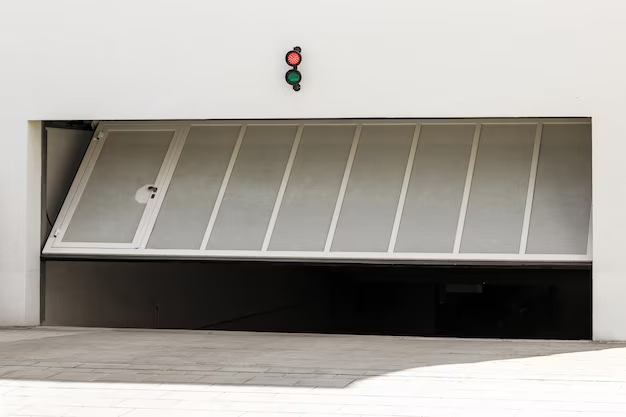
An attached garage functions as a buffer zone between your home’s interior and the outside environment. That buffer only works when the garage door seals properly. Toronto roads bring salt, exhaust, particulates, and seasonal pollen directly to your driveway. Your garage accumulates paint fumes, lawn chemicals, oil, and other volatile compounds. When the garage door has gaps, worn seals, or misaligned panels, those contaminants do not stay in the garage. They move through the path of least resistance into your living spaces.
Health Canada’s indoor air quality guidance identifies garage-related sources including vehicle exhaust and stored chemicals as meaningful contributors to poor indoor air quality in attached homes.
Garage Door Problems That Reduce Indoor Air Quality
Air Leaks and Worn Weatherstripping
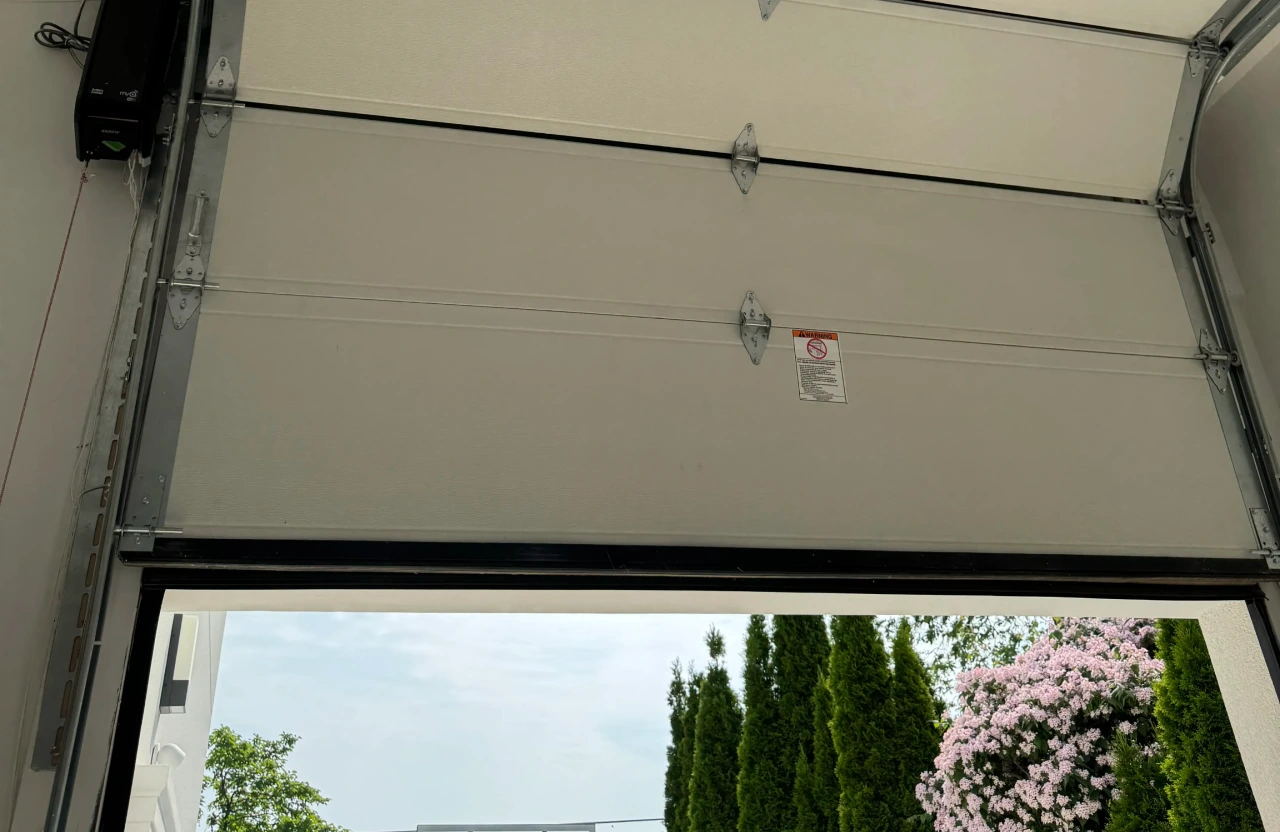
Cracked, compressed, or missing weatherstripping around the bottom, sides, and top of a garage door creates continuous gaps for outdoor air, moisture, and particulates to enter. These leaks are often invisible from outside but detectable through temperature drafts or musty odors inside the garage. An annual garage door maintenance inspection from Legacy Garage Doors includes a full weatherstripping assessment and same-day replacement when needed, directly restoring indoor air quality protection.
Book your weatherstripping assessment through our contact page.
Inadequate Panel Insulation
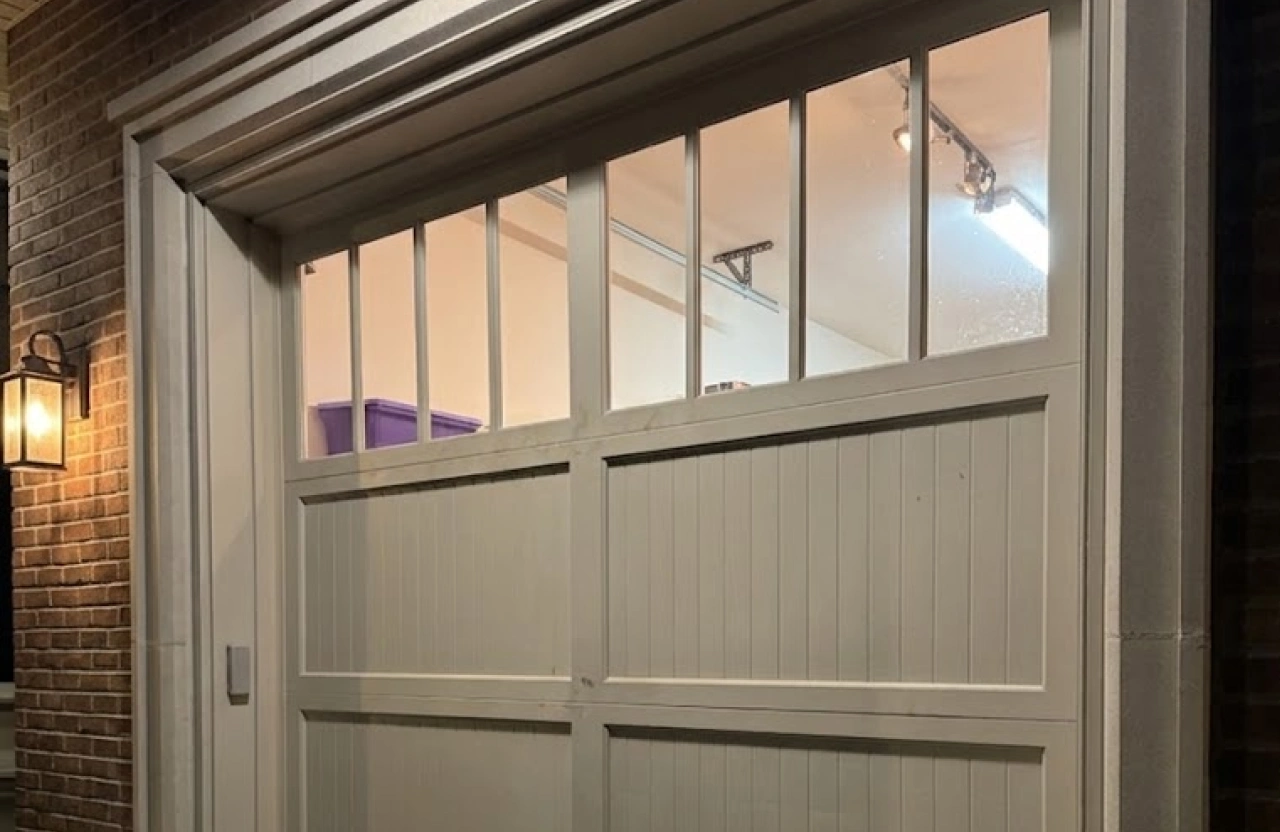
A door with thin or absent insulation allows heat, cold, and outside air to pass through the panel material itself. This thermal transfer carries airborne particles along with it. Upgrading to an insulated door, or adding aftermarket insulation to an existing door, creates a meaningful barrier against both temperature swing and air infiltration. Poor indoor air quality from uninsulated doors is one of the most overlooked issues in attached garages.
Explore insulated garage door options available through Legacy Garage Doors across the GTA.
Outdated Openers and Closing Gaps
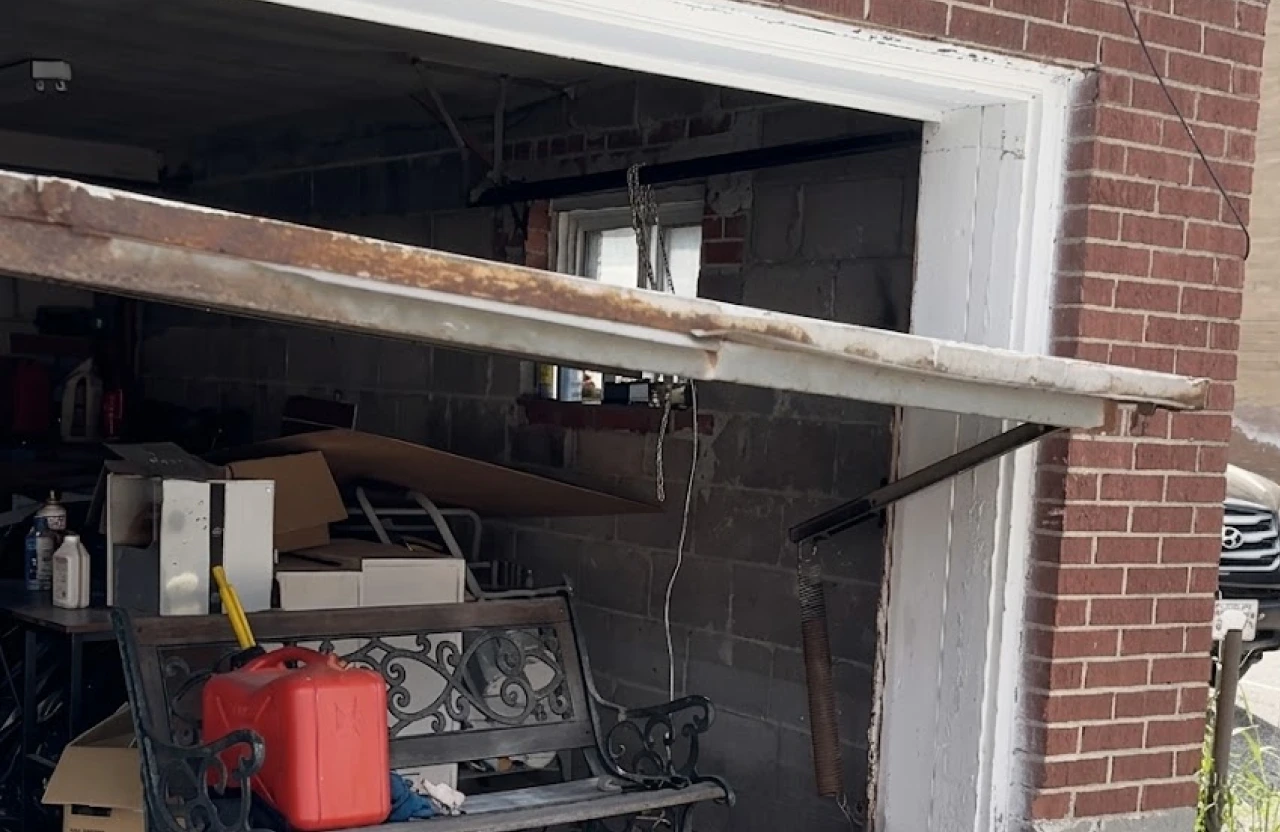
Older garage door openers may not close the door to the correct pressure against the bottom seal, leaving a continuous gap. This gap is a direct entry point for outdoor contaminants that degrade indoor air quality. A garage door opener replacement with precise closing detection, auto-lock features, and tight seal calibration eliminates this category of air leak entirely.
Learn about garage door opener replacement options with smart closing calibration.
Water Intrusion and Mould Risk
Toronto rain, snowmelt, and driveway runoff entering through a loose bottom seal create conditions for mould and mildew growth at floor level. Mould spores circulating from the garage into the home are a significant respiratory concern and a serious indoor air quality issue. Prompt garage door repair Toronto that addresses seal failure and panel gaps directly reduces this risk.
The City of Toronto Indoor Air Quality program provides resources for homeowners concerned about mould and indoor air health in residential properties.
Practical Steps to Improve Indoor Air Quality Through the Garage
The most impactful steps for protecting indoor air quality through a garage door are straightforward:
- Annual weatherstripping inspection and replacement: Particularly important before Toronto winters. This is the fastest and most affordable way to close the primary contaminant entry points.
- Upgrade to an insulated door: A double- or triple-layer insulated door adds a permanent thermal and air barrier that dramatically improves indoor air quality in attached garages.
- Professional door alignment and opener replacement: Addresses mechanical closing gaps that DIY fixes cannot solve, closing the last pathway for outdoor air to enter the home.
- Install a floor drain and maintain garage ventilation: Prevents moisture accumulation that leads to mould growth.
- Store chemicals and paints in sealed containers: Reduces the pool of volatile organic compounds available to migrate from the garage into the living space.
For insulation and air sealing performance standards applicable to Toronto’s climate zone, Natural Resources Canada provides R-value benchmarks and home air sealing guidance for Canadian homeowners.
Trusted Resources for Indoor Air Quality and Home Health
Health Canada’s residential indoor air quality guidelines identify vehicle exhaust and stored chemical fumes from attached garages as meaningful contributors to poor indoor air quality in Canadian homes.
The City of Toronto Indoor Air Quality program offers inspection resources and homeowner guidance for mould and contaminant concerns in residential properties.
The Canada Mortgage and Housing Corporation (CMHC) publishes residential ventilation and air sealing standards that apply directly to attached garages and the doors that separate them from living spaces.
For insulation performance benchmarks relevant to Ontario’s climate zone, Natural Resources Canada provides R-value guidelines for walls, doors, and thermal envelope components.
A Healthier Home Starts with the Garage Door
Indoor air quality is worth protecting, and the garage door is one of the most direct points of intervention available to Toronto homeowners. A well-sealed, properly insulated, and professionally maintained garage door keeps outdoor pollutants, moisture, and fumes where they belong: outside. Legacy Garage Doors delivers the honest assessments, skilled repairs, and upgrade recommendations that make a measurable difference to your home’s air quality and your family’s daily comfort.
Whether you are dealing with musty odors, unexplained condensation, or simply want to know the condition of your door’s seals and panels before winter, our team is ready to assess, repair, and upgrade your garage door from the first call through every future service visit.
Frequently Asked Questions
1. How can I tell if my garage door is contributing to poor indoor air quality?
Signs include musty or chemical odors in the home after opening the garage door, visible mould near the bottom of the door or along the walls, increased allergy symptoms indoors, or condensation on garage walls and floor. Legacy Garage Doors can assess all of these indicators during a scheduled or emergency inspection.
2. How often should garage door seals be replaced to protect indoor air quality?
At minimum, once a year, and more frequently if the door operates in high-use or harsh weather conditions. A visible crack, compression set, or gap in any seal is an immediate sign that replacement is needed. Our technicians include a full seal assessment with every service visit.
3. Does insulating an existing garage door actually improve indoor air quality?
Yes. Panel insulation reduces thermal transfer and buffers the movement of air and particulates through the door material itself. Combined with quality weatherstripping, insulation significantly reduces the contaminant load entering from the garage into the home.
4. Can a new garage door opener replacement improve indoor air quality?
Yes. Modern garage door opener replacement systems include precise closing force calibration and auto-lock features that press the bottom seal firmly against the floor, eliminating the closing gaps common in older openers that allow outdoor air to continuously infiltrate the garage.
5. Does Legacy Garage Doors offer emergency service for seal failures that affect indoor air quality?
Yes. Our 24/7 emergency garage door service covers urgent seal failures, water intrusion, and weatherproofing repairs across the GTA when the situation cannot wait for a scheduled appointment.
Book Your Garage Door Inspection Today
Do not leave your family’s indoor air quality to chance. Legacy Garage Doors provides honest assessments, expert repairs, insulation upgrades, and weatherstripping services across Toronto and the GTA. Schedule your free inspection today or call 437-229-8717 for same-day service.
For 24/7 emergency garage door service across the GTA, call 437-229-8717 any time, including weekends and holidays.
Key Takeaways
- Indoor air quality in Toronto homes is directly affected by garage door seal condition, insulation, and mechanical alignment.
- Worn weatherstripping, inadequate insulation, outdated openers, and water intrusion are the primary garage door contributors to poor indoor air quality.
- Annual inspection and prompt repair of seals, panels, and openers is the most effective preventative measure.
- Insulated door upgrades and smart garage door opener replacement with precise closing control eliminate two of the most common sources of air infiltration.
- Legacy Garage Doors provides professional assessments, fast repairs, and maintenance plans across the GTA to protect your home’s indoor air quality.