
Noisy garage doors in attached and semi-detached Toronto homes are almost always caused by worn hardware, inadequate lubrication, or an aging chain-drive opener, and most issues are fixable without a full replacement. Legacy Garage Doors provides same-day noise inspections and repairs across the GTA, as well as belt-drive opener upgrades for homeowners who want a permanent, quiet solution. This guide covers every common cause and its most effective remedy.
Why Attached Homes Amplify Garage Door Noise
Sound travels efficiently through shared walls, floors, and structural framing, which is why a rattling garage door in an attached home can be heard throughout the house. Toronto has a large stock of townhouses, semis, and row housing where the garage is directly below or adjacent to living spaces. When the door operates at 6 a.m. or late at night, the entire household feels it. Legacy Garage Doors handles noise complaints as part of routine garage door repair visits and as standalone upgrade consultations.
The Most Common Sources of Garage Door Noise
Worn or Dry Rollers and Hinges
Steel rollers running against steel tracks without adequate lubrication produce grinding and scraping noises that carry easily through shared walls. As rollers wear down, they develop flat spots that create a rhythmic thumping sound during each cycle.
Loose Hardware
Hinges, brackets, track bolts, and opener mounting hardware loosen gradually through vibration, temperature cycling, and regular use. Even slightly loose hardware amplifies the noise of every door movement and can accelerate wear on adjacent components.
Chain-Drive Openers
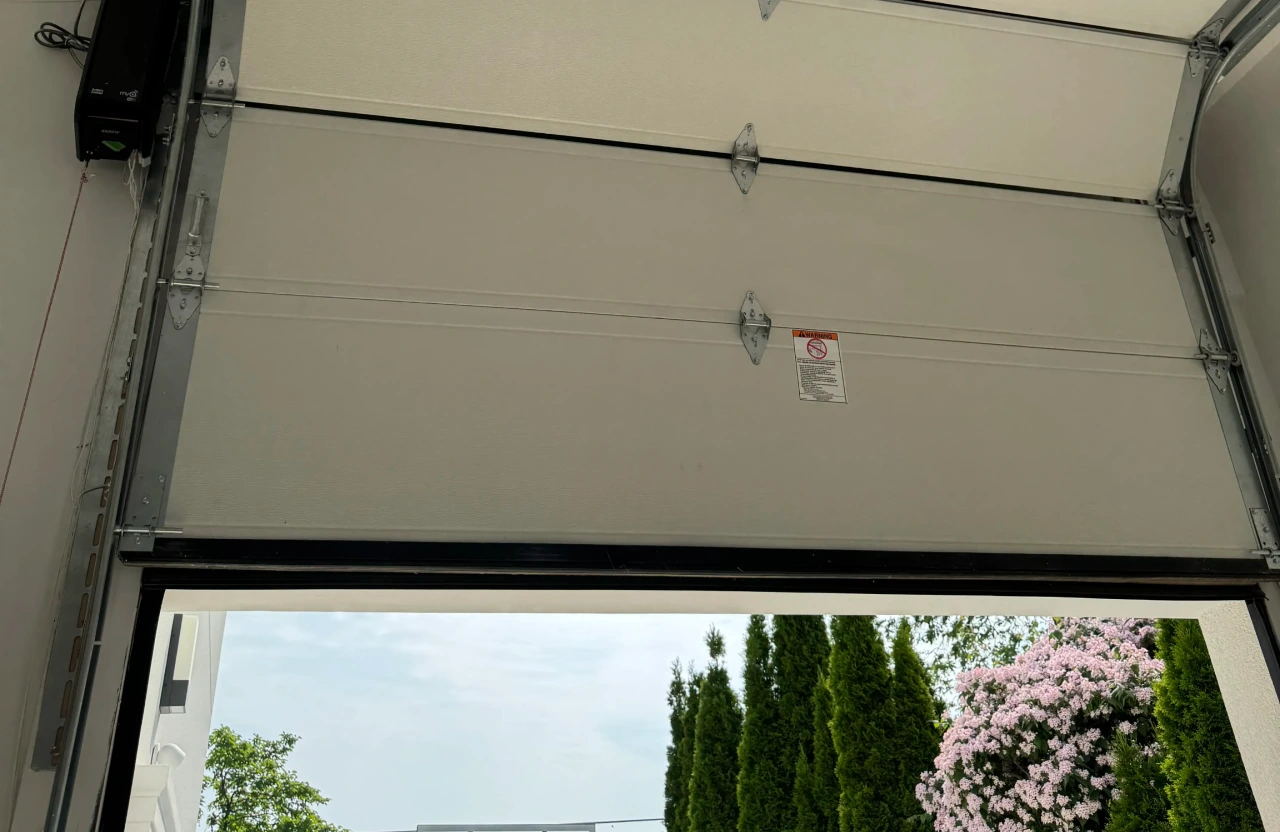
Chain-drive openers are reliable and durable, but they transfer significant vibration directly into the ceiling structure and from there into shared walls and floors. The mechanical rattle of the chain is one of the most common noise complaints we receive. A garage door opener replacement to a belt-drive or direct-drive model eliminates this vibration at the source.
Worn Springs and Out-of-Balance Doors
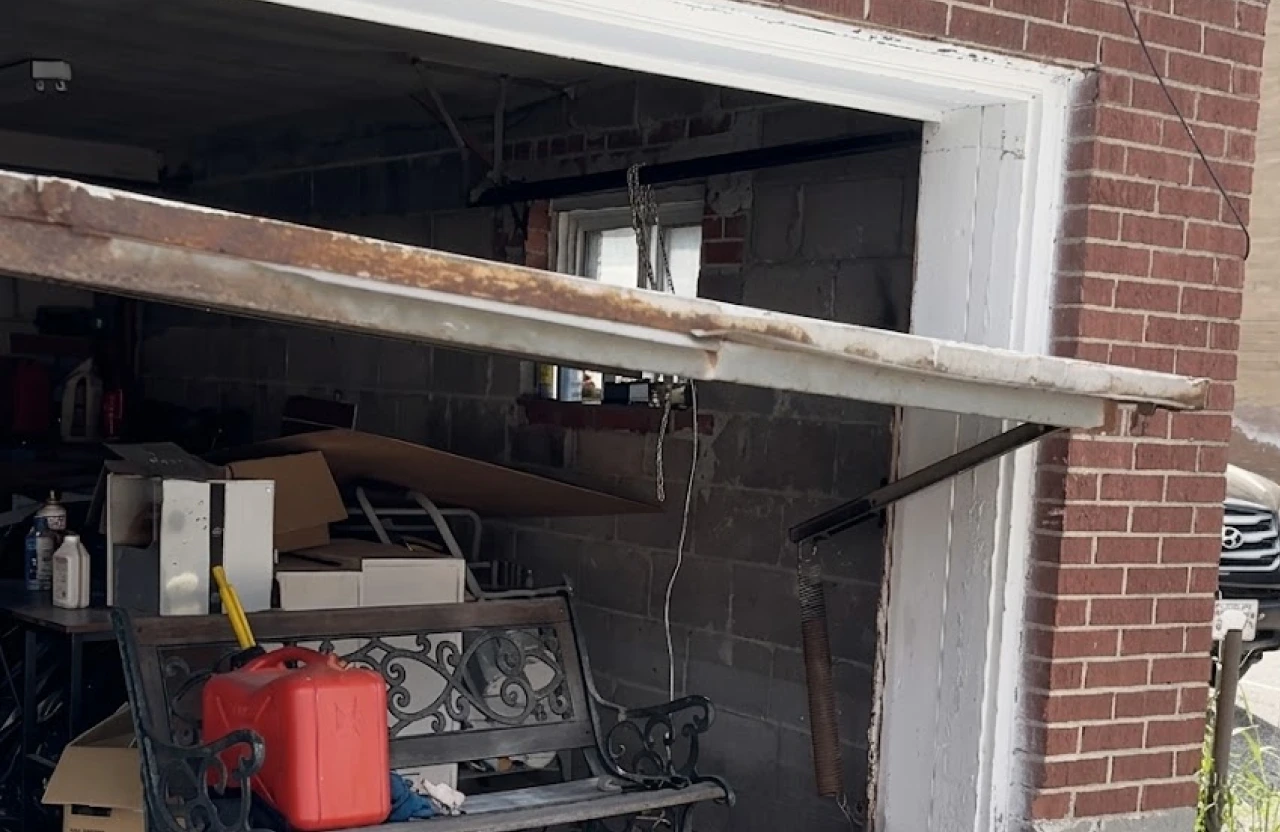
Springs under tension that have lost calibration force the door motor and hardware to work harder, creating additional noise. A door that is not properly balanced also places uneven stress on rollers and hinges, accelerating wear and increasing sound output.
Uninsulated or Hollow Door Panels
Hollow steel panels vibrate at a higher frequency during operation and do a poor job absorbing the mechanical noise of the opener and hardware. Adding insulation to existing panels, or replacing them with insulated sections, significantly reduces both the noise produced and the noise transmitted into the home.
Seven Effective Fixes for a Quieter Garage Door
1. Lubricate All Moving Parts
Apply a silicone or lithium-based lubricant to hinges, rollers, springs, and bearing plates every six months. Avoid WD-40, which is a cleaner rather than a long-term lubricant and will dry out quickly. This single step addresses a significant percentage of noise complaints and is part of every preventative maintenance visit we perform.
2. Tighten All Hardware
Work through the door systematically and tighten every bolt, nut, and bracket. Track mounting bolts and opener hardware mounting points are the most frequent culprits. Do not over-tighten to the point where the hardware cannot flex slightly; this can cause cracking in the door panel around the mount.
3. Replace Steel Rollers with Nylon
Nylon rollers run significantly quieter than steel against steel tracks and require minimal lubrication. The upgrade is inexpensive relative to the noise reduction achieved and takes less than an hour to complete. This is one of our most consistently effective recommendations for attached home noise issues.
4. Add Anti-Vibration Pads to the Opener
Rubber anti-vibration pads installed between the opener motor unit and its ceiling mount isolate the mechanical vibration of the opener from the home’s structure. This is particularly effective in homes where the garage ceiling is directly below a bedroom or living area. Ask about this during your next service visit.
5. Upgrade to a Belt-Drive Opener
Belt-drive openers are the single most impactful upgrade for noise reduction in attached homes. They produce a fraction of the vibration of chain drives, operate smoothly even in cold temperatures, and include soft-start and soft-stop features that further reduce mechanical shock at the beginning and end of each cycle. Legacy Garage Doors carries and installs current-generation belt-drive models suited for Toronto’s climate and range of door sizes.
6. Insulate the Door
Insulated doors are stiffer and absorb mechanical vibration better than hollow panels. If full door replacement is not in the budget, panel insulation kits provide a meaningful improvement. Natural Resources Canada notes that insulated garage doors also improve the energy efficiency of attached living spaces, adding a second benefit to the investment.
7. Balance the Door and Inspect Springs
A properly balanced door should hold in place at the halfway point when manually lifted and released. If it moves either direction, the spring tension is off and the motor is compensating, producing additional noise and wear. Spring adjustment involves significant tension and should always be handled by a qualified technician. Call Legacy Garage Doors to schedule a balance check and spring inspection.
When Noise Is a Warning Sign
Most garage door noise is a maintenance issue rather than a safety emergency. However, some sounds require immediate attention: persistent grinding or metal-on-metal scraping, a popping or snapping sound from the spring area, sudden failure to open or close fully, or a door that appears to bind or skip in the tracks. These are signs of component failure that can escalate quickly. Emergency garage door service is available 24/7 across the GTA for situations that cannot wait.
The Canadian Centre for Occupational Health and Safety notes that overhead door spring failures are among the more common causes of garage door-related injuries, making prompt professional attention to unusual sounds an important safety habit.
Quieter Garage Doors Start with the Right Service
Noise issues are almost always solvable without replacing the entire door. The right combination of lubrication, hardware upgrades, and an opener replacement tailored to your home’s layout will produce a lasting improvement. Legacy Garage Doors provides same-day noise inspections and repairs across Toronto and the GTA, with transparent pricing and no unnecessary upsells. Call today or book online for your free estimate.
Frequently Asked Questions
1. How much does it cost to fix a noisy garage door in Toronto?
Most noise issues are resolved through lubrication, hardware tightening, and roller replacement, which typically costs between $100 and $250 depending on the parts needed. A belt-drive opener upgrade is a larger investment, usually in the $400 to $700 range fully installed, but it addresses the root cause permanently.
2. Will lubricating my garage door myself damage anything?
No, provided you use the right product. Silicone spray or white lithium grease applied to hinges, rollers, springs, and bearing plates is safe and effective. Avoid WD-40, petroleum-based oils, and grease on the tracks themselves, which should remain dry and clean.
3. Can I replace just the opener without replacing the entire door?
Yes. In most cases, a new belt-drive opener can be fitted to your existing door without any changes to the door structure. We confirm compatibility during the estimate visit and do not recommend opener replacements that are not a clear fit.
4. How long does a belt-drive opener last compared to a chain-drive?
Both types typically last 10 to 15 years with proper maintenance. Belt-drive openers tend to produce fewer service calls during that period due to their simpler mechanical design and self-lubricating construction.
5. My neighbours are complaining about my garage door noise. What are my options?
Start with lubrication and hardware tightening, which are same-day fixes. If the opener is a chain-drive model, a belt-drive replacement will have the most significant impact on noise at the property boundary. Anti-vibration pads help with noise that travels through shared walls and floors.
6. Is it safe to adjust garage door springs myself?
No. Garage door springs are under extreme tension and can cause serious injury if handled without proper training and tools. Spring adjustment, replacement, and balancing should always be performed by a certified technician.
7. How often should I lubricate my garage door to prevent noise?
Twice a year is the recommended baseline, typically in spring and fall. In higher-use households or where the door is exposed to salt air in winter, three times per year is more appropriate. Lubrication takes about 15 minutes and is the single highest-return maintenance habit for quiet operation.
Book Your Garage Door Noise Inspection Today
A noisy garage door in an attached home is a quality-of-life issue worth solving. Legacy Garage Doors provides fast, transparent noise inspections and same-day repairs across Toronto and the GTA. Call today or book online for your free estimate.
Key Takeaways
- Most garage door noise in attached homes is caused by dry hardware, loose components, or chain-drive openers
- Lubrication, hardware tightening, and nylon roller upgrades resolve the majority of noise complaints without replacing the door
- Belt-drive openers are the most impactful single upgrade for homes where vibration travels through shared walls
- Anti-vibration pads isolate the opener motor from the home structure and reduce transmitted sound
- Grinding, snapping, or sudden failure sounds are safety warnings that require immediate professional attention