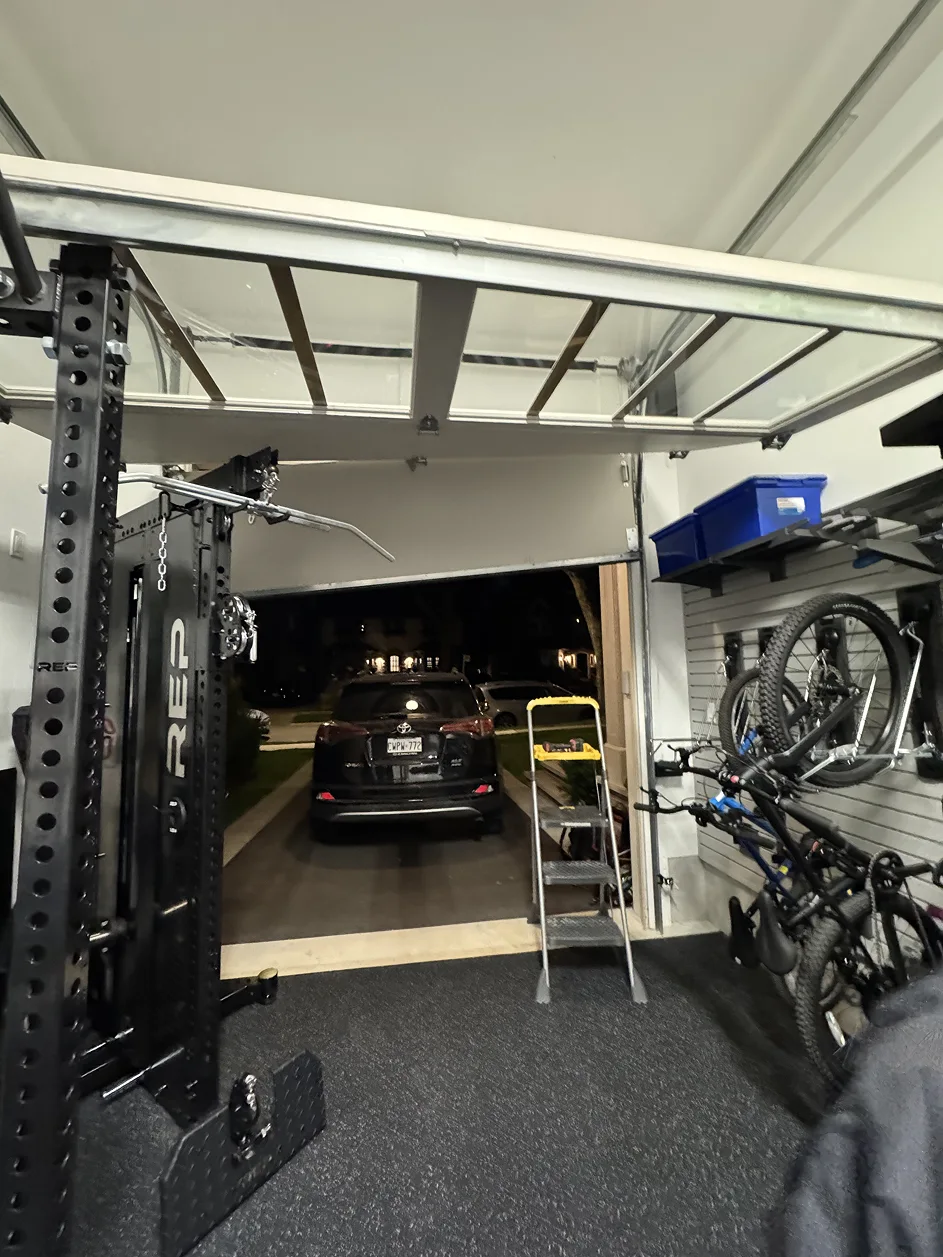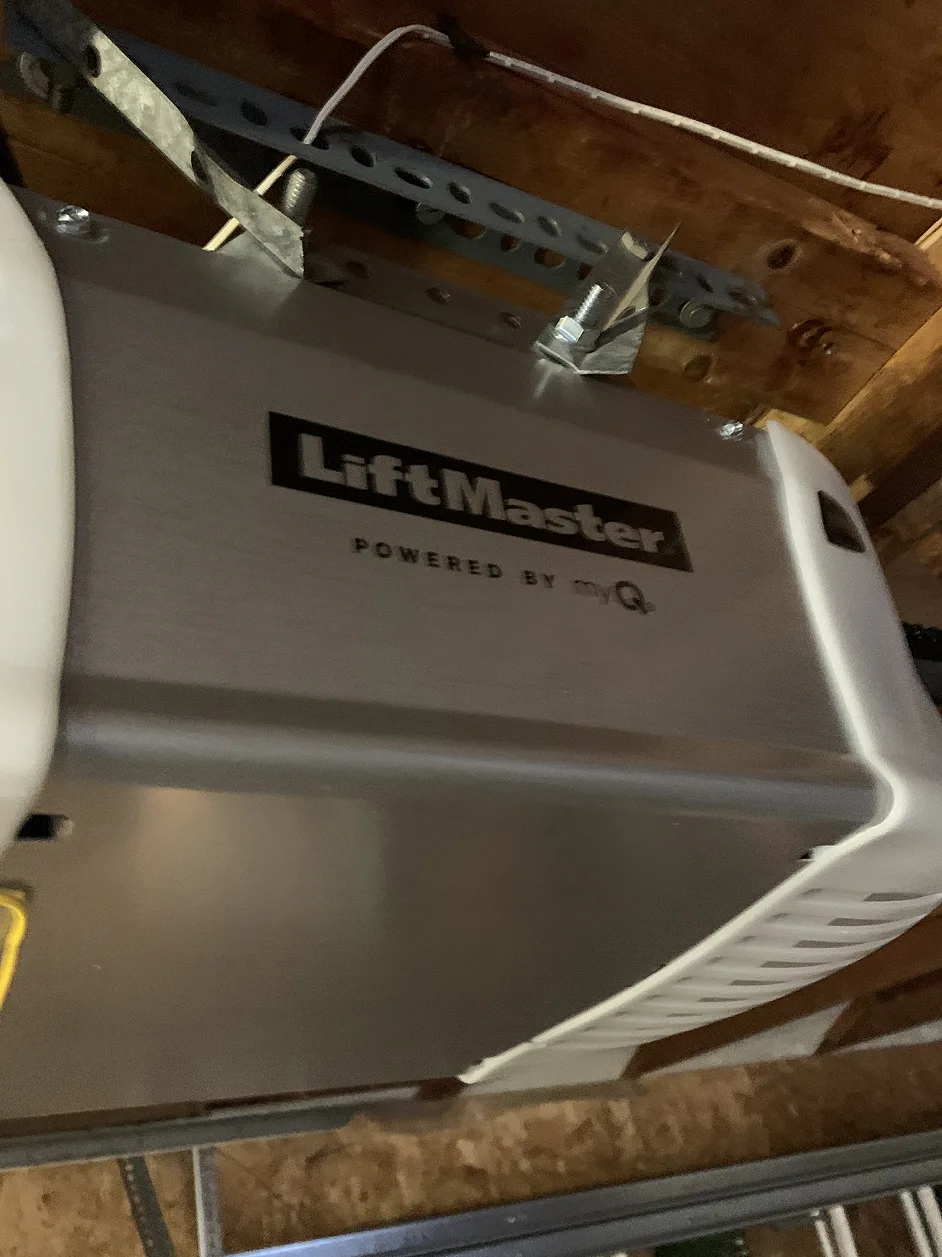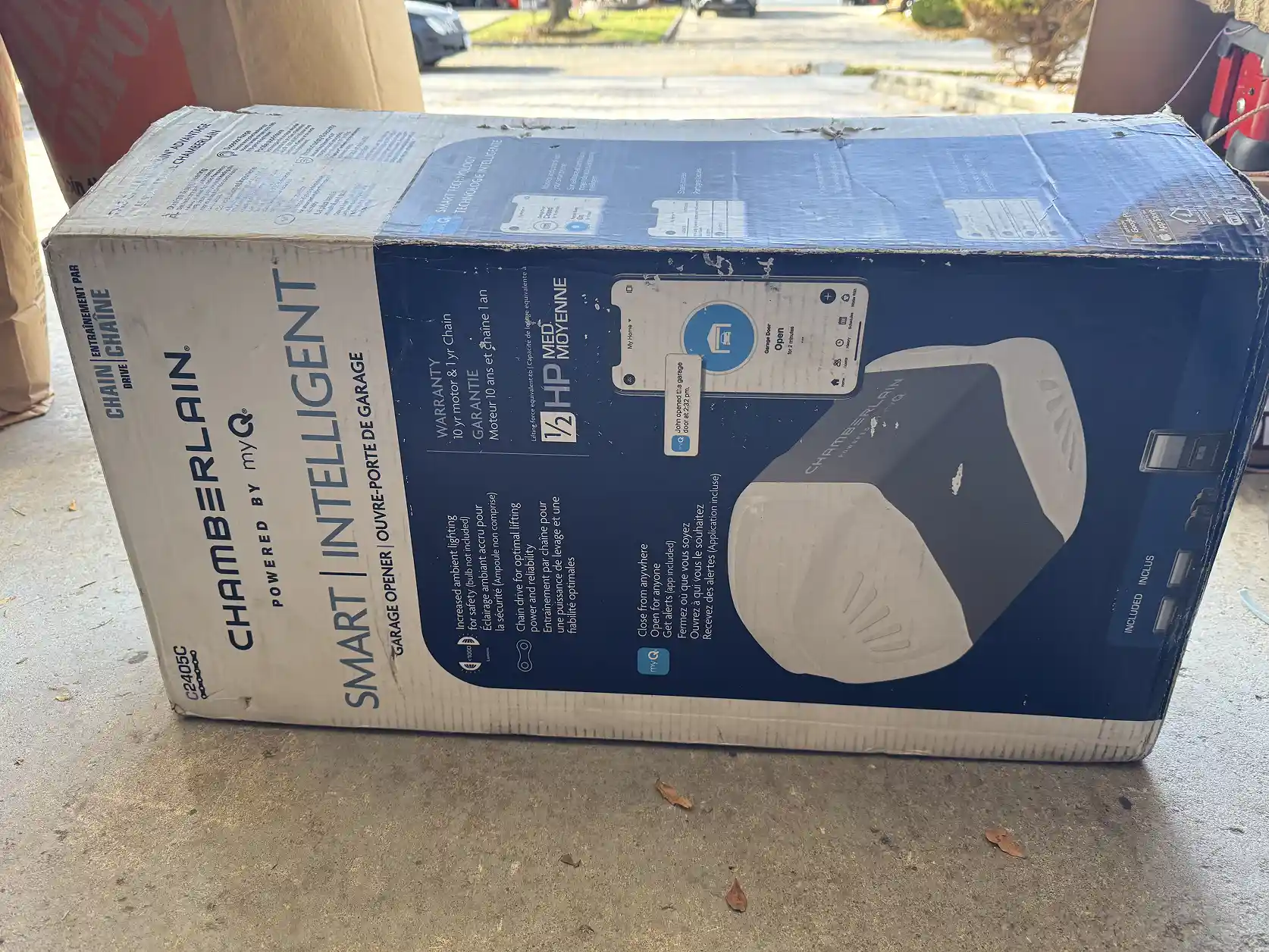

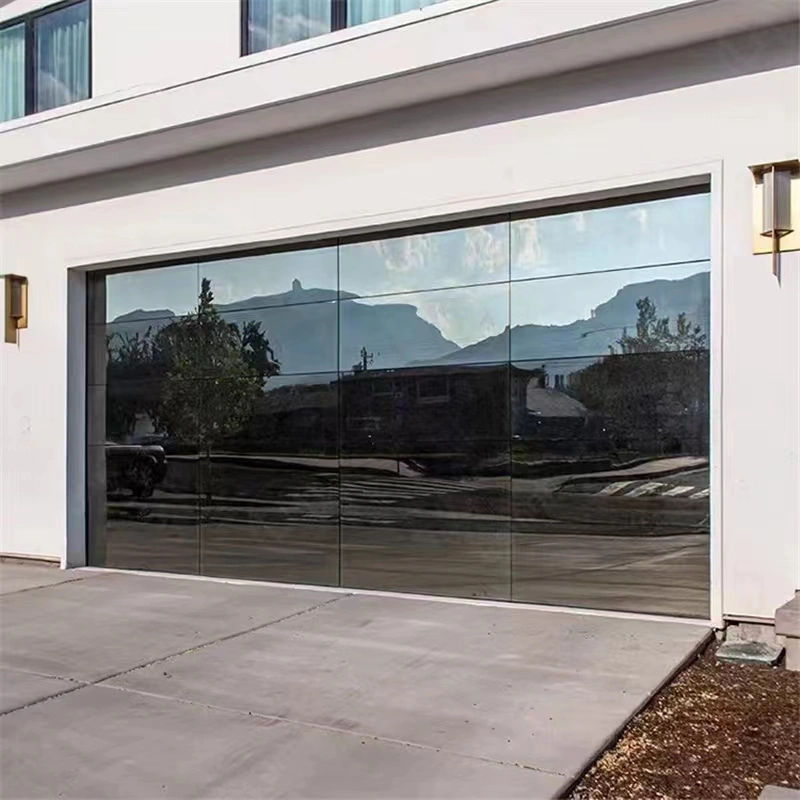
Calgary’s chinook winds and freeze-thaw cycles put more strain on garage doors than most Canadian climates. Frozen doors, snapped springs, and worn weatherstripping are the most common issues homeowners face each winter. This guide covers what causes these problems and which fixes are safe to handle before calling a professional to fix garage door Calgary damage properly.
Why Does Calgary’s Climate Cause So Many Garage Door Problems?
Calgary’s climate causes frequent garage door problems because chinook winds push temperatures from well below freezing to near-zero within hours, then back down again. This constant expansion and contraction stresses metal springs, cables, and hardware far more than a steady cold climate would.
The same freeze-thaw pattern melts snow around the base of the door during a warm spell, only for that moisture to refreeze solid once temperatures drop again. This cycle is behind most of the frozen-door calls a technician sees through a typical Calgary winter.
How Do You Fix a Garage Door That Is Frozen to the Ground?
A garage door frozen to the ground should never be forced open with the opener, since this can strip the drive gear or bend the door panel against the ice. Gently pouring warm, not boiling, water along the base of the door and chipping away the ice by hand is the safer approach before attempting to open it.
Clearing snow away from the base of the door after every snowfall reduces how often this happens, since less meltwater means less ice forming overnight. A door that freezes to the ground repeatedly despite this precaution may have a worn bottom seal that is letting more moisture underneath than it should.
Why Do Garage Door Springs Break More Often in Cold Weather?
Garage door springs break more often in cold weather because the metal contracts and becomes more brittle at low temperatures, and Calgary’s chinook-driven swings add repeated stress on top of that. A spring nearing the end of its cycle life is far more likely to snap during a sharp cold snap than during stable weather.
A broken spring makes the door extremely heavy and unsafe to operate manually or with the opener, so the door should stay closed until it is replaced. Springs are high-tension components, and replacement is not a safe DIY task; a technician from our residential garage doors team can replace a broken spring safely with the correct tools.
How Do You Fix a Noisy or Sluggish Opener in Cold Weather?
A garage door opener that runs slower or louder than usual in cold weather is often caused by lubricant that has thickened in low temperatures rather than a failing motor. Switching to a silicone-based lubricant rated for cold weather on the rollers, hinges, and tracks usually restores smoother operation.
Condensation on the opener’s safety sensors is another common cold-weather issue, since moisture can obstruct the sensor lens and cause the door to stop or reverse unexpectedly. Wiping the sensor lenses clean and confirming they are properly aligned resolves this in most cases without needing a service call.
When Should You Call a Professional Instead of Fixing It Yourself?
A broken spring, a frayed or snapped cable, or a door that has jumped its track are all situations that call for a professional rather than a DIY attempt, since these components operate under high tension and can cause injury if handled incorrectly. A door that continues to freeze to the ground despite regular snow clearing may also need a new bottom seal or a broader inspection.
Our installation services cover both repair and replacement for homeowners dealing with recurring winter garage door issues.
Keeping Your Garage Door Running Through a Calgary Winter
Calgary’s freeze-thaw cycles and chinook winds put real strain on a garage door’s springs, seals, and opener every winter, and staying ahead of small issues prevents most of the major breakdowns homeowners deal with. Clearing snow at the base of the door, using cold-rated lubricant, and watching for early signs of spring wear covers most of what a homeowner can safely handle. Legacy Garage Doors handles the repairs that need a trained technician, from broken springs to full opener replacement.
Dealing with a stuck or frozen garage door? Contact our team at Legacy Garage Doors for a repair assessment.
Frequently Asked Questions
1. Why is my garage door frozen shut in Calgary?
A garage door freezes shut when meltwater from a warmer spell refreezes around the base overnight, a pattern common with Calgary’s chinook-driven temperature swings. Clearing snow away from the door’s base after each snowfall reduces how often this happens. For a full seal inspection before winter sets in, our garage door services team can assess the weatherstripping and bottom seal condition.
2. Is it safe to force open a frozen garage door?
No, forcing a frozen garage door open with the opener can strip the drive gear or damage the door panel against the ice. Gently melting the ice with warm water and chipping it away by hand is the safer approach. If opener damage has already occurred, request a quote and our technicians can assess the drive system and recommend the right repair.
3. Why do garage door springs break more in winter?
Springs break more often in winter because cold metal becomes more brittle, and Calgary’s chinook-driven temperature swings add repeated stress on top of that. A spring already near the end of its cycle life is most likely to fail during a sharp cold snap.
4. Can I replace a broken garage door spring myself?
No, garage door springs operate under high tension and are not safe to replace without proper training and tools. A professional should handle spring replacement to avoid injury and ensure the door is balanced correctly afterward. Get in touch with our Legacy Garage Doors team to book a spring replacement and have the full door balance checked at the same time.
5. Why does my garage door opener run slower in cold weather?
A slower or louder opener in cold weather is often caused by lubricant that has thickened at low temperatures rather than a failing motor. Switching to a silicone-based, cold-rated lubricant on the rollers, hinges, and tracks typically resolves the issue.
6. What winter garage door problems need a professional?
A broken spring, a frayed or snapped cable, or a door that has jumped its track all need a professional, since these components operate under high tension and can cause injury if mishandled. A door that keeps freezing to the ground despite regular snow clearing may also need a seal inspection.
Fix Your Garage Door Problems in Calgary Today
Calgary winters can put extra strain on garage doors through freeze-thaw cycles, chinook winds, and cold-weather wear on springs, seals, and openers. Legacy Garage Doors helps homeowners with professional garage door repair in Calgary, from frozen door issues and broken springs to worn seals and opener problems. Contact our team today for a repair assessment and a reliable solution to keep your garage door operating through every season.
Key Takeaways
- Chinook-driven freeze-thaw cycles are the main reason Calgary garage doors face frequent winter issues.
- Never force open a garage door frozen to the ground; melt the ice gently instead.
- Cold weather makes springs more brittle and prone to breaking under Calgary’s temperature swings.
- Thickened lubricant, not a failing motor, is often behind a slower or noisier opener in cold weather.
- Condensation on safety sensors is a common cause of unexpected reversing or stopping in winter.
- Broken springs, snapped cables, and off-track doors should always be handled by a professional.