
Adding your garage door to your smart home system is one of the most practical first steps in any home automation project, delivering real daily value through remote access, push alerts, and seamless integration with platforms like Apple HomeKit, Google Home, and Amazon Alexa. The right path depends on your current opener’s age and compatibility, your preferred smart home platform, and whether you want a retrofit device or a full smart opener replacement. Legacy Garage Doors guides Toronto homeowners through every step, from compatibility assessment to professional installation and ongoing support.
Why the Garage Door Is the Best Smart Home Starting Point
For many Toronto homeowners, the garage door is the entry point they use most often yet think about least from a technology perspective. The front door gets a smart lock. The kitchen gets a voice assistant. The thermostat gets a smart controller. But the garage, which handles vehicle access, deliveries, and often the primary route into the home, frequently operates with a 15-year-old chain-drive opener and a single remote. Legacy Garage Doors consistently recommends starting a smart home project at the garage because the practical benefits are immediately visible and the upgrade path is well-defined.
What Smart Garage Integration Actually Delivers
- Peace of mind: Check whether the door is open or closed from anywhere and close it remotely if needed.
- Convenient access management: Assign digital access to family members, service providers, or regular visitors without physical keys.
- Security alerts: Receive push notifications when the door opens unexpectedly or is left open past a set duration.
- Home automation routines: Trigger connected devices when the garage door opens or closes, such as activating lights, adjusting the thermostat, or arming the security system.
- Access history: Review a timestamped log of every door operation for household management and security awareness.
Three Paths to a Smart Garage Door System
Path 1: New Smart Opener Installation
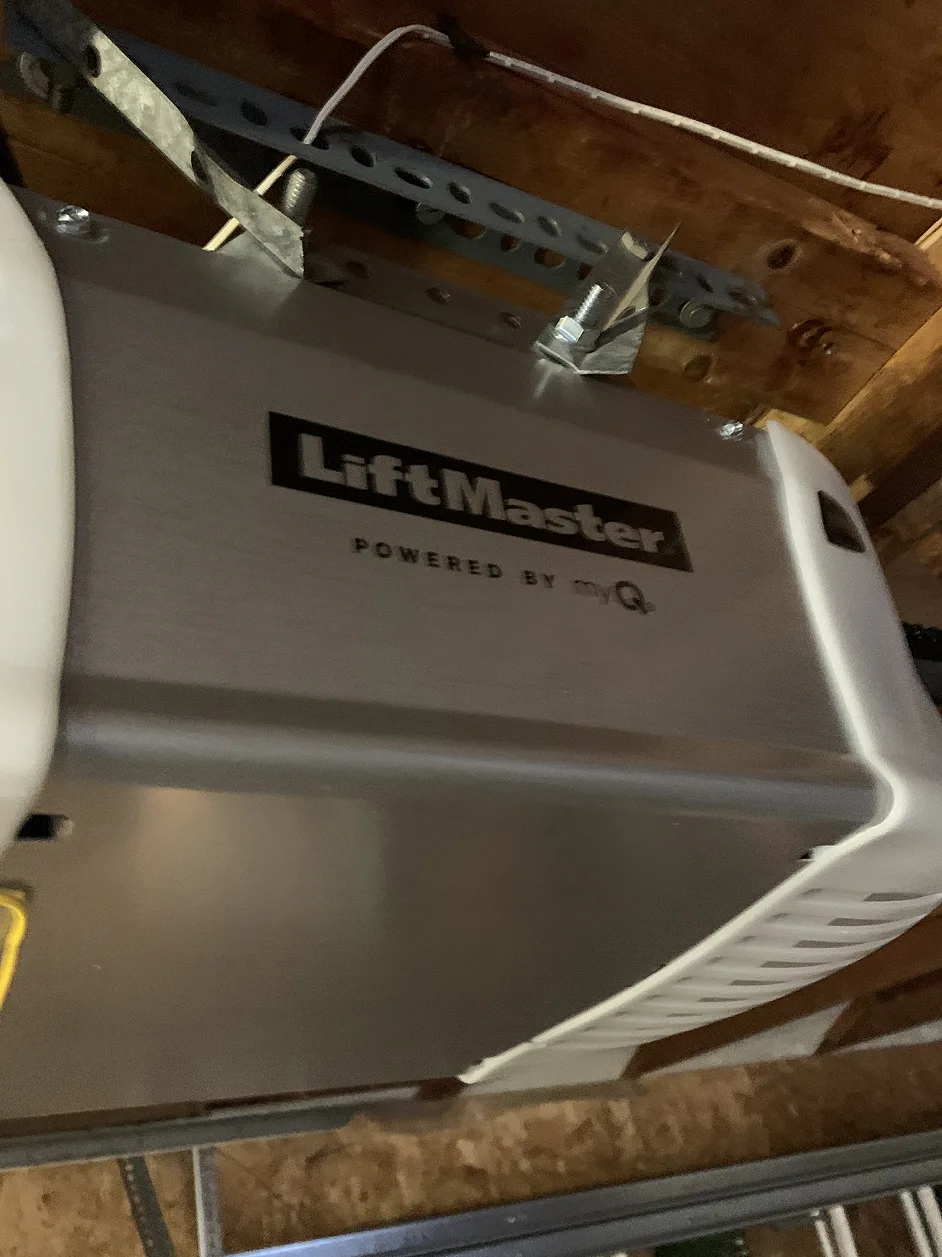
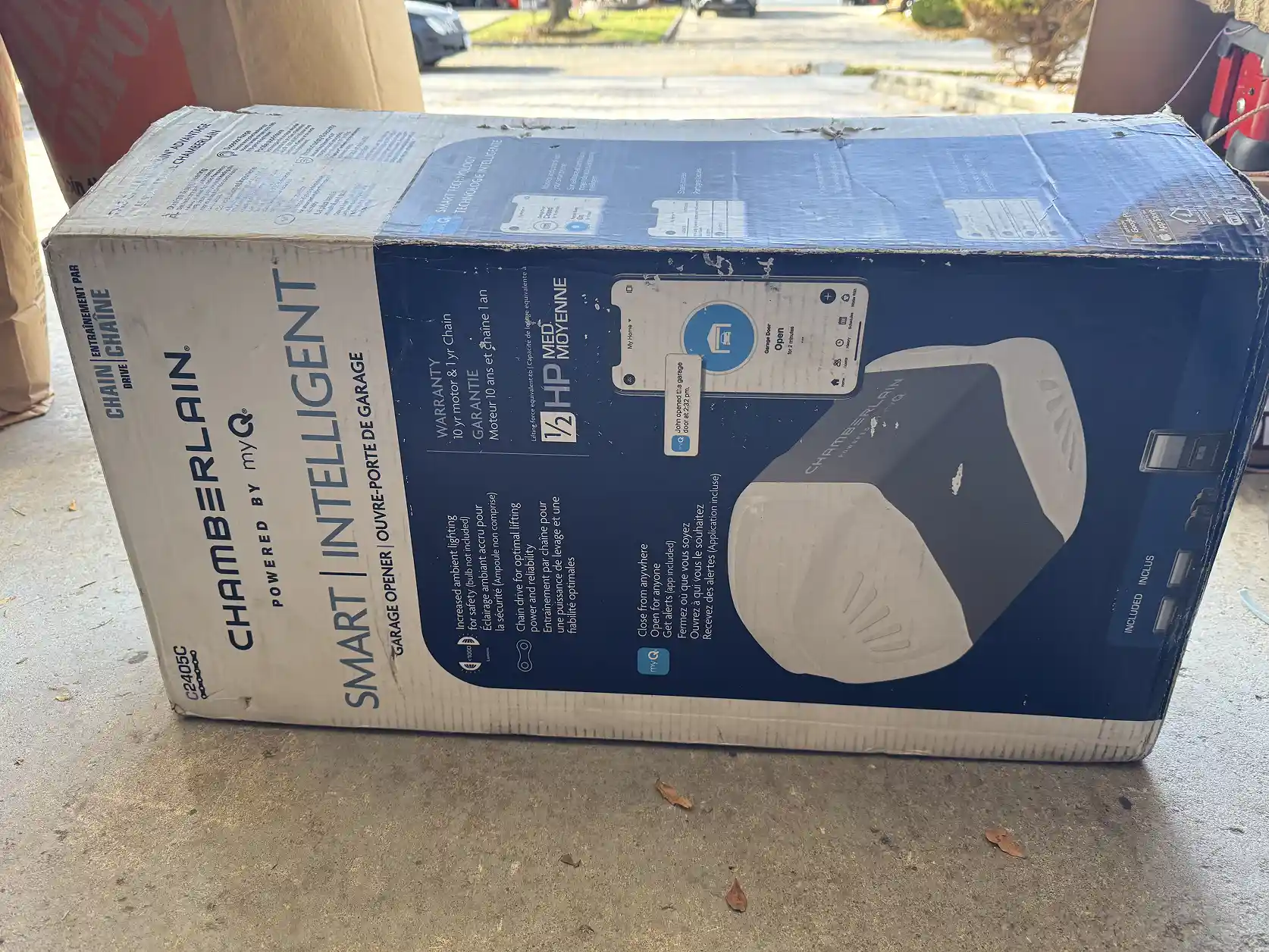
The most comprehensive and reliable approach. Current-generation smart openers from manufacturers including Chamberlain, LiftMaster, and Genie include built-in Wi-Fi, companion app connectivity, rolling code encryption, and native integration with major home automation platforms. They are available in belt-drive and direct-drive configurations suited to the noise requirements of attached Toronto homes. A garage door opener replacement to a smart model is our most common recommendation for homeowners whose current opener is more than 10 years old.
Path 2: Retrofit Smart Controller
If your existing opener is in good mechanical condition and is compatible with a retrofit device, a smart controller adds Wi-Fi monitoring, remote operation, and push notification capability without full replacement. Options including myQ, Tailwind, and Nexx attach to the existing opener and communicate with major home automation hubs. Compatibility must be confirmed before purchase. We verify this during the free estimate visit. LiftMaster publishes a detailed compatibility guide for their myQ smart garage accessories.
Path 3: Full Smart Ecosystem Integration
For homeowners building a comprehensive connected home, the garage door can be integrated into a platform like Apple HomeKit, Google Home, or Amazon Alexa so that it participates in multi-device routines. An “I’m leaving” routine can close the garage, lock the front door, arm the security system, and adjust the thermostat in a single trigger. This level of integration typically requires a new smart opener with native platform support rather than a retrofit device.
Choosing Your Smart Home Platform
Before selecting an opener or retrofit device, confirm which smart home platform you use or plan to use. Apple HomeKit requires HomeKit-certified devices. Google Home and Amazon Alexa support a broader range of third-party integrations. Samsung SmartThings offers extensive compatibility for mixed-brand ecosystems. If you use multiple voice assistants, prioritize a device that supports all of them natively or through a common integration standard.
How Professional Installation Protects Your Investment
Smart garage door systems are designed to be accessible, but professional installation delivers several advantages that self-installation cannot reliably replicate. Correct spring tension calibration after opener installation, proper sensor alignment, verified Wi-Fi signal strength at the opener’s installed location, and full app setup and user training all affect how reliably the system performs over time. Legacy Garage Doors includes app configuration, multi-user account setup, and notification testing as standard components of every smart opener installation.
Improperly installed openers can also create issues including safety sensor misalignment, unexpected interference with existing garage door repair service needs, or voided manufacturer warranties. Professional installation eliminates these risks.
Security and Privacy for Smart Garage Systems
Every smart home device connected to your network is a potential entry point if security hygiene is neglected. The Canadian Centre for Cyber Security recommends using a unique complex password for each smart home device account, enabling two-factor authentication wherever supported, keeping all app software and device firmware updated, and where possible connecting smart home devices to a dedicated network segment separate from primary household devices.
Your Garage Is Ready to Join Your Smart Home
Starting your smart home project at the garage delivers immediate, tangible benefits with a well-defined upgrade path and professional support available at every step. Legacy Garage Doors installs and configures smart garage door systems across Toronto and the GTA, with honest compatibility guidance, transparent pricing, and 24/7 emergency support. Call today for a free estimate or book your smart opener consultation online.
Frequently Asked Questions
1. How do I know if my existing opener is compatible with a smart retrofit?
Most openers manufactured in the past 15 to 20 years by major brands are compatible with at least one retrofit smart controller option. The simplest check is the presence of a terminal strip on the back of the motor unit that allows add-on device connections. We confirm compatibility during the free estimate visit.
2. Do I need to replace my garage door as well as my opener to go smart?
No. Smart opener upgrades and retrofit controllers work with existing garage doors regardless of age or material, provided the door is structurally sound and in good mechanical condition. If the door itself has issues that need attention, we can address those during the same visit.
3. What smart home platforms does Legacy Garage Doors support?
We install smart openers and configure them for Apple HomeKit, Google Home, Amazon Alexa, Samsung SmartThings, and other major platforms depending on the opener model selected. We confirm platform compatibility before recommending any specific system.
4. Can a smart garage door opener help reduce energy costs?
Indirectly, yes. Automatic close features prevent the door from being left open for extended periods, which in winter can significantly increase heating costs in attached garages. Integration with thermostat systems can also trigger temperature adjustments when the garage door opens and closes, optimizing heating and cooling cycles.
5. How long does a smart opener installation take?
A full smart opener replacement including removal of the old unit, installation and alignment of the new opener, app setup, multi-user account configuration, and functional testing typically takes 2 to 3 hours. A retrofit smart controller installation takes approximately 30 to 60 minutes.
6. Is Wi-Fi connectivity reliable enough for a garage located at the back of a property?
Wi-Fi signal strength at the garage opener location varies significantly by property layout and router placement. We test signal strength during the estimated visit and recommend Wi-Fi range extenders or dedicated access points when the existing signal is insufficient for reliable smart home operation.
7. What happens to smart home routines if my internet goes down?
Local operations including wall button, remote, and keypad access continue normally without internet. App-based remote control, push notifications, and cloud-dependent automations are unavailable until connectivity is restored. Local voice commands through on-device assistants may also remain functional depending on your home automation hub.
Start Your Smart Garage Door Upgrade Today
The garage door is the right place to begin your smart home project. Legacy Garage Doors provides free smart garage consultations and professional installation across Toronto and the GTA. Book online to get started.
Key Takeaways
- A new smart opener is the most comprehensive path; retrofit controllers add connectivity to compatible existing openers at lower cost
- Platform compatibility should be confirmed before selecting any smart opener or retrofit device
- Professional installation includes spring calibration, sensor alignment, app setup, and multi-user configuration that self-installation frequently misses
- Strong passwords, two-factor authentication, and firmware updates are essential security practices for any connected garage door system
- Legacy Garage Doors installs and configures smart garage systems for all major platforms across Toronto and the GTA with 24/7 emergency support