

A garage door warranty is typically split between a manufacturer warranty covering the door’s materials and hardware, and an installation warranty covering labor quality. Knowing what each one protects, and what can avoid it, helps homeowners across Toronto and the GTA get full value from a new door before something goes wrong.
What Is a Garage Door Warranty?
A garage door warranty is a written commitment from the manufacturer or the installing company that covers specific parts or labor for a defined period after installation. It exists because a garage door combines dozens of moving components, including springs, cables, hinges, rollers, and an opener motor, any of which can fail from a manufacturing defect rather than normal wear.
Most new doors carry more than one warranty document. A manufacturer warranty covers the panels and hardware, a separate finish warranty covers paint or coatings, and an installation warranty from the installing company covers the labor performed on-site. Reading each one separately clarifies who to contact when a problem shows up.
What Is the Difference Between a Manufacturer Warranty and an Installation Warranty?
A manufacturer warranty covers defects in the materials and workmanship of the door itself, while an installation warranty covers only the quality of the labor performed when the door was set in place. If a panel arrives with a manufacturing flaw, the manufacturer warranty applies. If a track was mounted out of alignment during setup, the installation warranty applies instead.
Homeowners who install insulated residential garage doors through Legacy Garage Doors typically receive a manufacturer warranty on the panel core and finish, plus a one to three year installation warranty covering the labor performed on-site.
What Does a Garage Door Warranty Typically Cover?
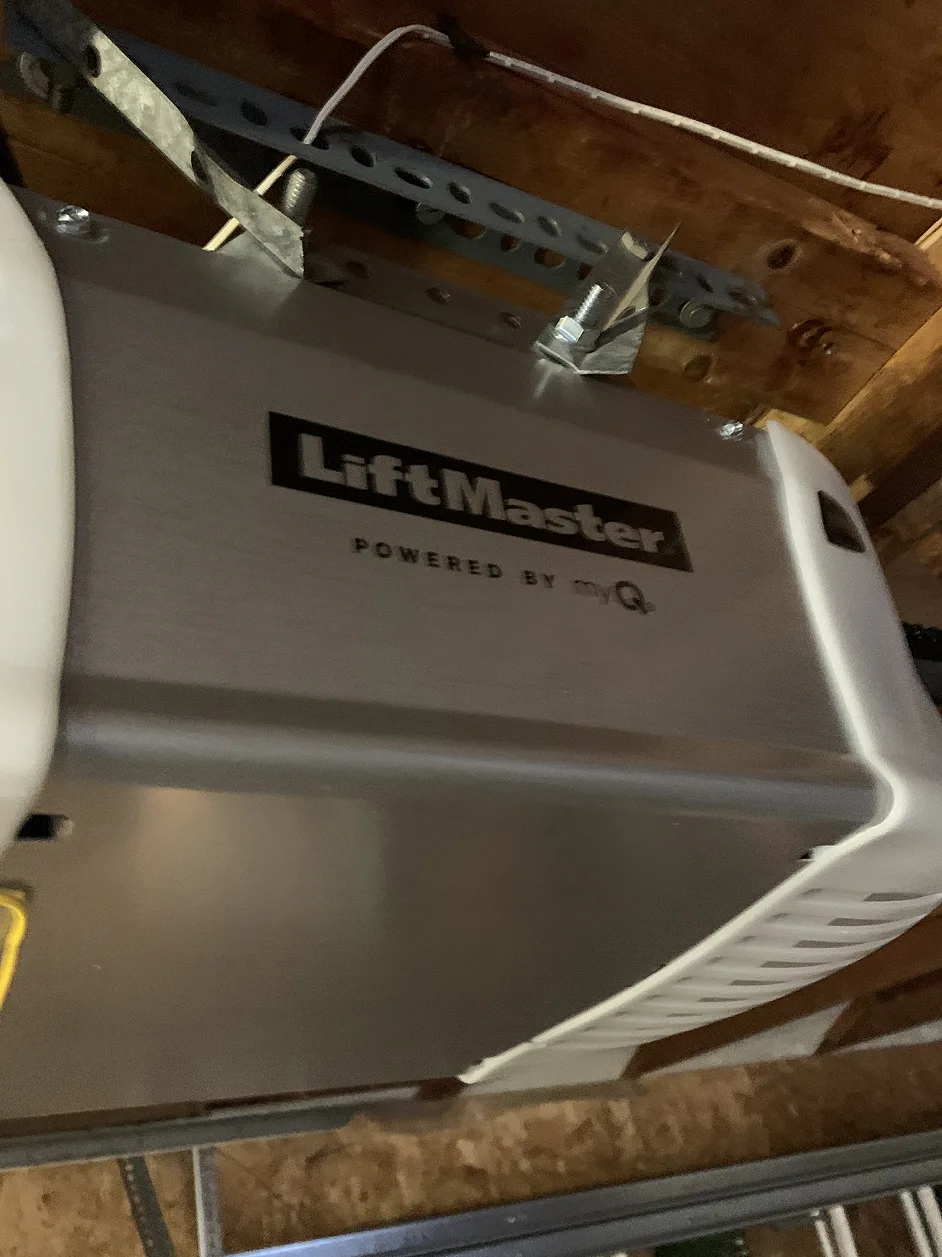
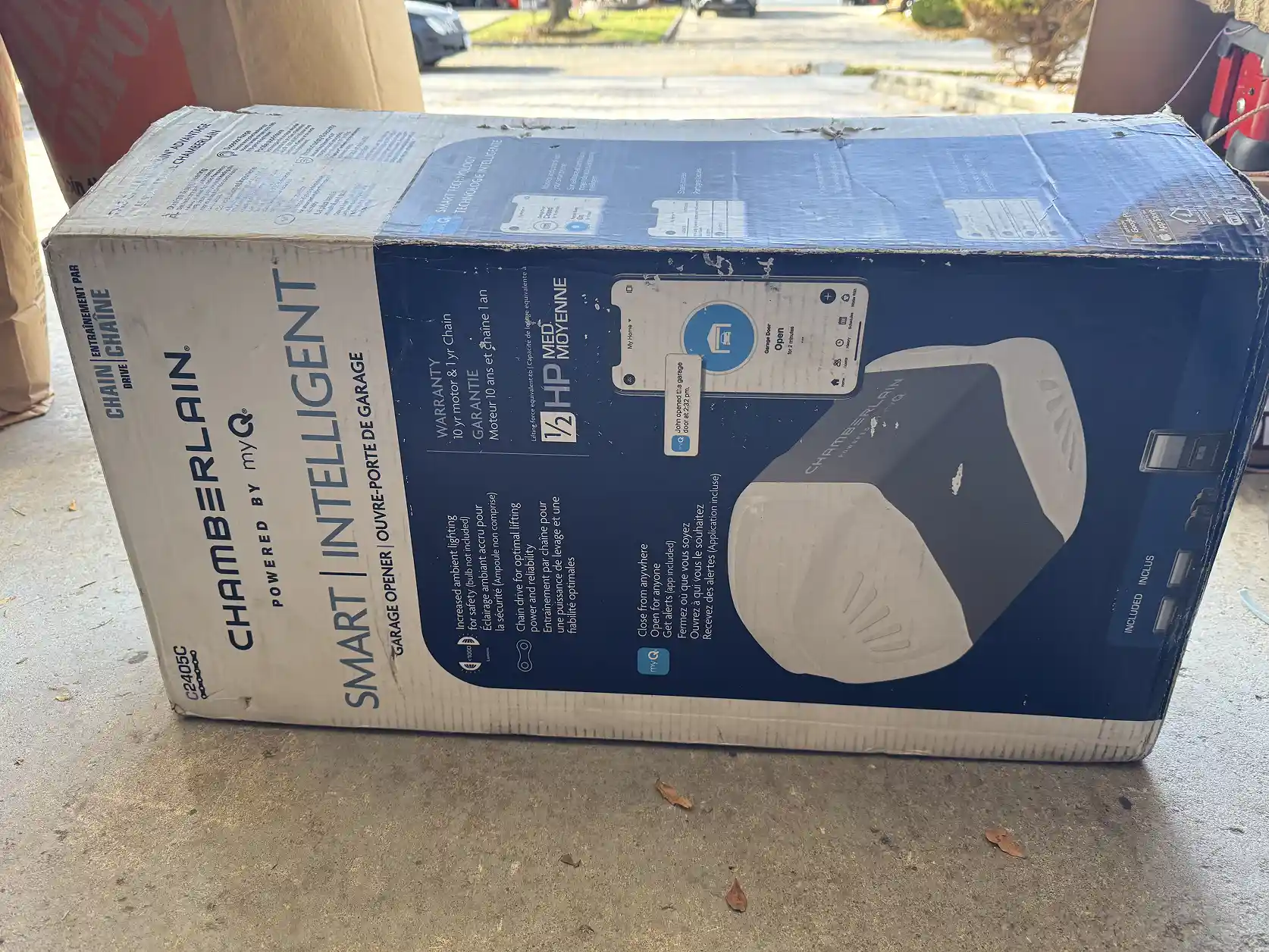
Most garage door warranties cover panel defects, hardware such as hinges and rollers, torsion springs, and the opener motor for periods ranging from one year to a limited lifetime, depending on the component and door tier. Paint and finish warranties are usually separate and can run three to fifteen years depending on climate exposure and material quality.
Commercial garage doors often carry shorter warranty periods on high-cycle components like rollers and cables, since these parts wear faster under frequent daily use in warehouses and loading areas than on a residential driveway.
Businesses managing high-traffic facilities benefit from a scheduled commercial maintenance program that keeps those components within warranty coverage and prevents common claim denials tied to missed service records.
What Can Void a Garage Door Warranty?
A garage door warranty is typically voided by skipped maintenance, unauthorized repairs from an uncertified technician, DIY modifications to springs or hardware, and damage from accidents or severe weather. Manufacturers can deny a claim if a homeowner cannot show the door was lubricated and inspected on a reasonable schedule.
Using a certified installer for any repair keeps both warranties intact, since most manufacturers require proof of professional service. Homeowners across the GTA who schedule routine tune-ups with our technicians avoid the most common reason claims get denied.
How Long Does a Garage Door Warranty Last?
Warranty length depends heavily on the component. Panels on mid-range steel doors often carry a five to ten year warranty, hardware is commonly covered for three to five years, and premium doors can include a limited lifetime warranty on panels while capping hardware coverage at a shorter term.
Homeowners weighing the cost of ongoing repairs against a full door replacement should factor in remaining warranty coverage. A door nearing the end of its hardware warranty may be less economical to keep patching than to replace outright.
A door nearing the end of its panel warranty often makes a replacement a more cost-effective decision than repeated hardware repairs, particularly when a newer model also improves insulation and year-round energy performance.
How Do You Register and Maintain Your Garage Door Warranty?
Registering a new garage door warranty usually means submitting the model number, installation date, and installer information to the manufacturer within 30 days of installation, then keeping copies of every service invoice going forward.
- Step 1:Register the door with the manufacturer soon after installation, since many warranties do not activate automatically.
- Step 2: Keep every installation invoice, service receipt, and maintenance record in one place in case a claim is needed later.
- Step 3: Schedule annual lubrication and inspection, since missed maintenance is the most common reason warranty claims get rejected.
Homeowners in Oakville near the lake should pay closer attention to hardware corrosion from humidity and salt air, since manufacturers can deny claims tied to environmental damage that regular maintenance would have caught early.
Properties in Mississauga close to major roads face similar hardware wear from road salt, which makes a documented annual service visit worth scheduling before problems appear.
Garage Door Warranty Types Compared
|
Warranty Type |
Who Provides It |
Typical Length |
What It Covers |
|
Manufacturer Warranty |
Door manufacturer |
1 to 10+ years; up to limited lifetime on premium panels |
Panels, hardware, springs, opener defects |
|
Installation Warranty |
Installing company |
1 to 3 years |
Labor quality, alignment, setup defects |
|
Finish or Paint Warranty |
Manufacturer |
3 to 15 years |
Fading, cracking, chipping, rust-through on the finish |
How to Get the Full Value From Your Garage Door Warranty
A garage door warranty only protects a homeowner who understands what it covers, registers it correctly, and keeps up with the maintenance manufacturers expect. Knowing the difference between manufacturer, installation, and finish coverage prevents confusion about who to call when something eventually needs attention.
Legacy Garage Doors provides an installation warranty on every project completed across Toronto and the GTA, alongside guidance on registering the manufacturer warranty that comes with the door itself. Homeowners with questions about an existing warranty, or who want warranty details before ordering a new door, can call our team for a clear answer before booking a free estimate.
Frequently Asked Questions
1. What is typically covered under a garage door warranty?
A garage door warranty typically covers manufacturing defects in panels, hardware, springs, and the opener motor, with separate coverage often provided for paint and finish. Coverage length varies by component, with hardware commonly covered for three to five years and panels sometimes covered for a limited lifetime on premium doors.
2. How is an installation warranty different from a manufacturer warranty?
An installation warranty covers the quality of the labor performed when a garage door was set in place, including track alignment and hardware mounting, while a manufacturer warranty covers defects in the door’s materials themselves. A problem traced to the installer falls under the installation warranty, while a factory defect falls under the manufacturer warranty.
3. What voids a garage door warranty?
A garage door warranty is commonly voided by skipped maintenance, DIY spring adjustments, unauthorized repairs from an uncertified technician, and damage from accidents or extreme weather. Most manufacturers require documented proof of regular lubrication and inspection before honoring a claim.
4. How long does a garage door warranty usually last?
Garage door warranty length depends on the component, with installation warranties typically running one to three years and manufacturer warranties on hardware running three to five years. Premium doors sometimes include a limited lifetime warranty on panels, though hardware coverage is usually shorter.
5. Do I need to register my garage door warranty?
Registering a garage door warranty is usually required within 30 days of installation for manufacturer coverage to take effect, since many brands do not activate protection automatically. Keeping the registration confirmation along with the installation invoice makes future claims faster to process.
6. Does a garage door warranty transfer to a new homeowner?
Many garage door warranties do not transfer automatically when a home is sold, since coverage is tied to the original purchaser in most manufacturer agreements. Homeowners selling a property with a newer door should check the specific warranty terms to confirm whether transfer is possible.
Get Warranty Guidance From Legacy Garage Doors
Homeowners with questions about an existing warranty, or who want warranty details before ordering a new door, can reach our service team for a clear answer. Legacy Garage Doors serves Toronto, Mississauga, Oakville, Markham, Vaughan, and communities across the GTA, available around the clock for urgent situations.
Key Takeaways
- A garage door warranty is typically split between manufacturer coverage, installation coverage, and a separate finish warranty.
- Manufacturer warranties cover panels, hardware, springs, and the opener, while installation warranties cover only labor quality.
- Skipped maintenance and unauthorized DIY repairs are the most common reasons warranty claims get denied.
- Warranty length varies by component, with hardware often covered for three to five years and premium panels sometimes covered for a limited lifetime.
- Registering a new warranty within 30 days of installation is often required before manufacturer coverage takes effect.
- Warranty coverage frequently does not transfer automatically when a home changes ownership.