
Installing a garage door and opener looks different depending on whether the project is new construction or a replacement on an existing home. New construction starts with a rough opening built to the door’s specifications, while a replacement has to work around whatever opening, hardware, and wiring are already there. Knowing which situation applies helps set realistic expectations for timeline, cost, and what the installer needs to check before the door goes in.
How Does New Construction Garage Door Installation Work?
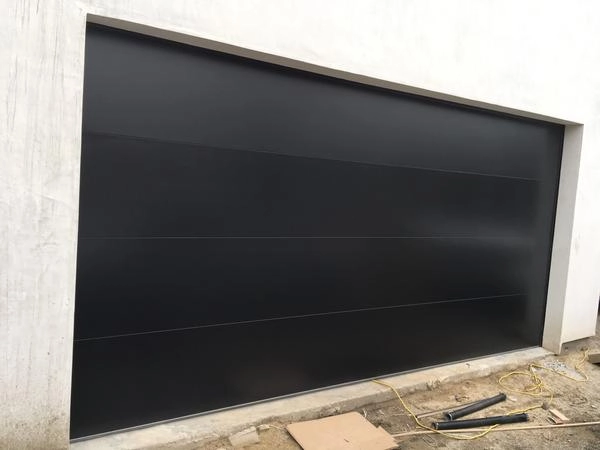
New construction garage door installation starts during the framing stage, when the builder and the door installer confirm the exact rough opening dimensions before the walls are closed in. The header, jack studs, and floor are sized to the door and opener specifications from the start, following span and header requirements set out in the Ontario Building Code, which avoids the fitting problems that come up on an older opening.
Because there is no existing hardware to remove or work around, new construction installation is generally more straightforward and gives the installer a clean slate to recommend the opener, drive type, and safety features that best match the finished garage. Coordinating the rough opening size with the builder early in framing is the step that prevents costly changes later.
How Does Replacement Garage Door Installation Work?
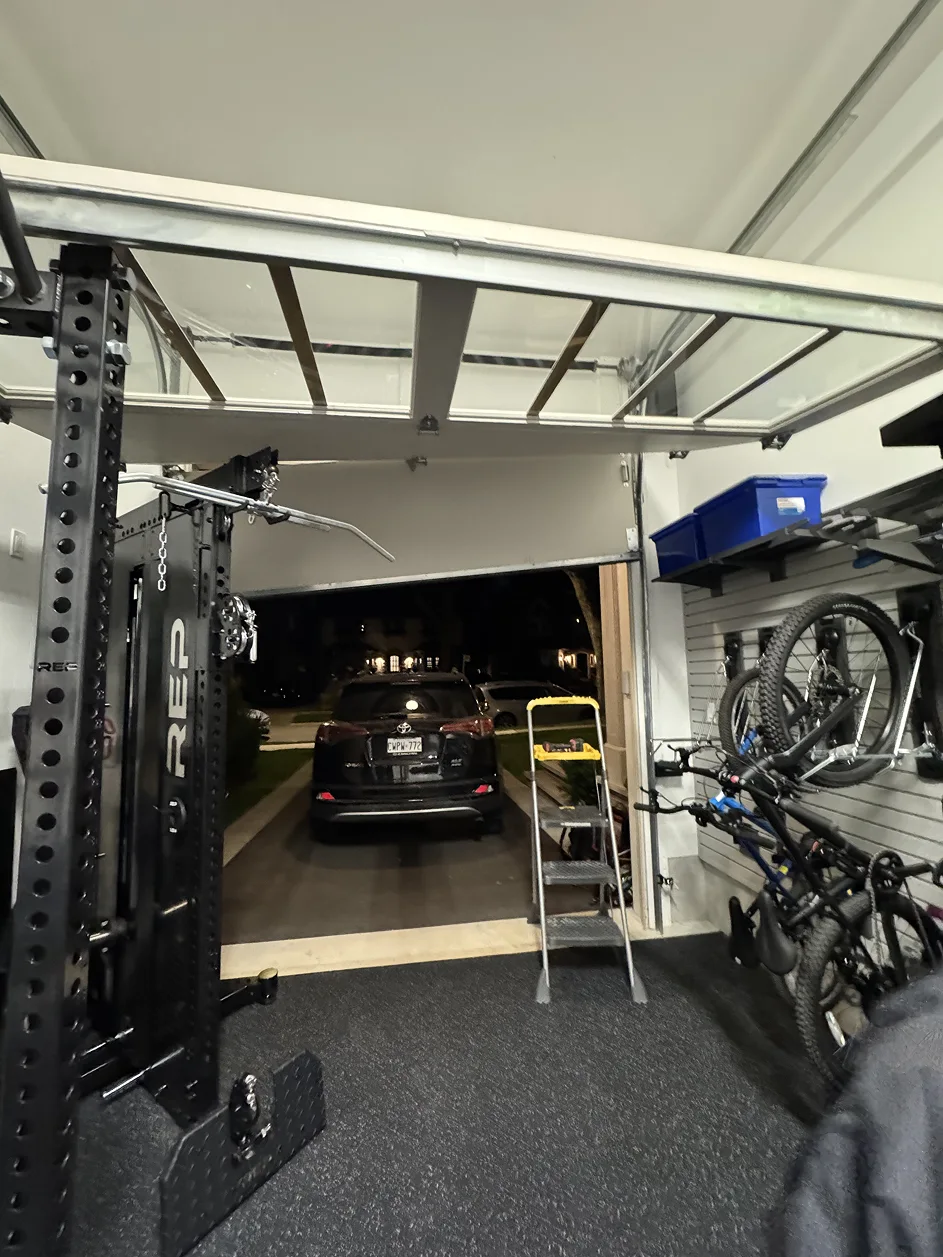
Replacement garage door installation means removing an existing door, its tracks, springs, and often the opener, then fitting a new system into an opening that was built for a different door years earlier. The installer has to verify the existing rough opening against the new door’s specifications, since even a small mismatch in width, height, or headroom can affect the fit.
Older openings sometimes have settled, warped, or slightly out-of-square framing that was not a problem for the original door but needs correction before a new one is installed. This is why a replacement project usually includes more on-site assessment time than a new construction install, even when the new door itself is a standard size.
What Are the Main Differences Between the Two Installation Types?
|
Factor |
New Construction |
Replacement |
|
Rough opening |
Framed to the door’s exact specifications |
Existing opening must be verified and sometimes corrected |
|
Old hardware |
None to remove |
Door, tracks, springs, and opener typically removed first |
|
Coordination |
Builder, framer, and installer confirm sizing early |
Installer works independently around existing conditions |
|
Opener choice |
Selected fresh, matched to the new door from day one |
May reuse or upgrade the existing opener depending on condition |
|
Typical complexity |
Generally more predictable |
Often needs more on-site assessment and adjustment |
How Should You Choose a Garage Door Opener for Either Project?
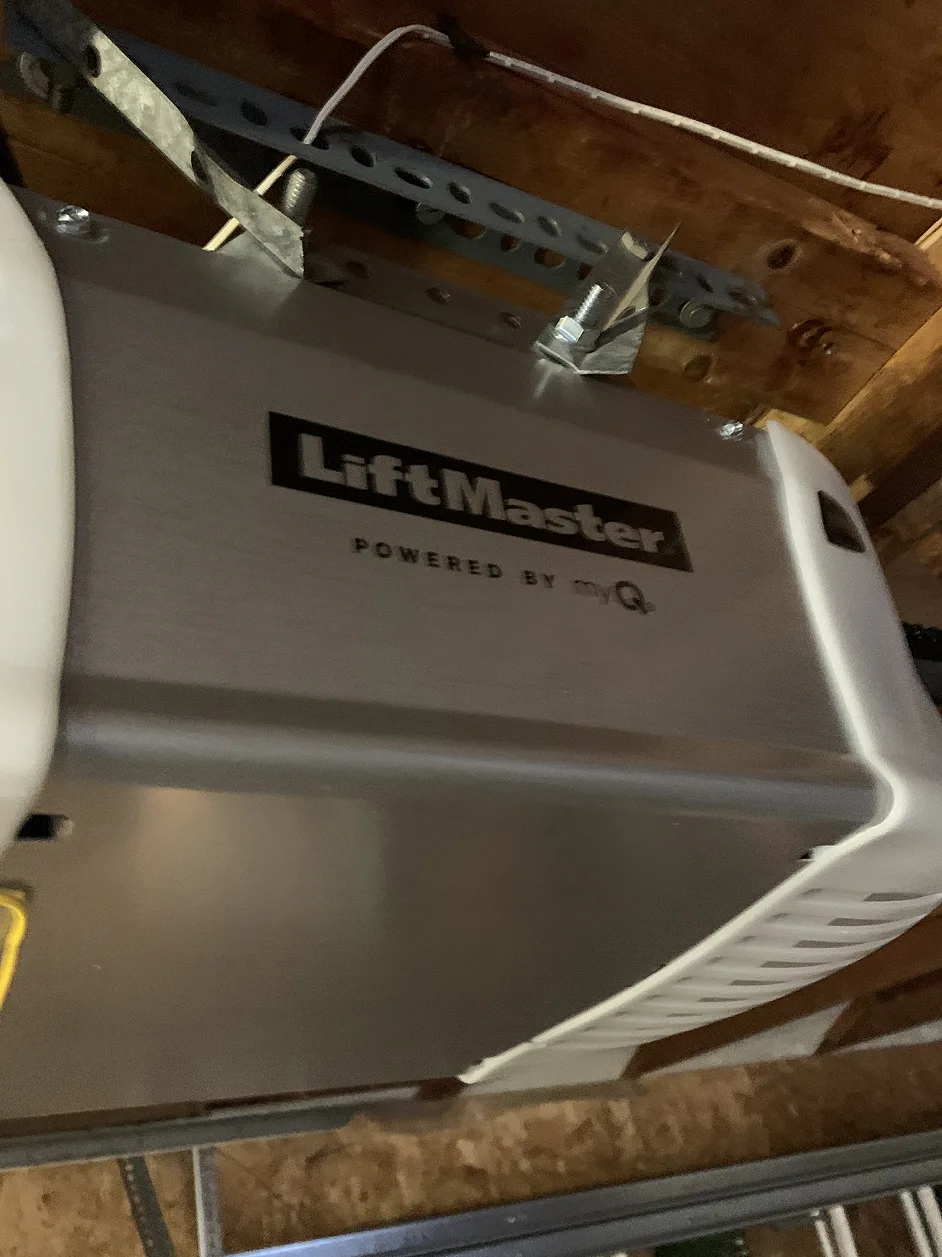
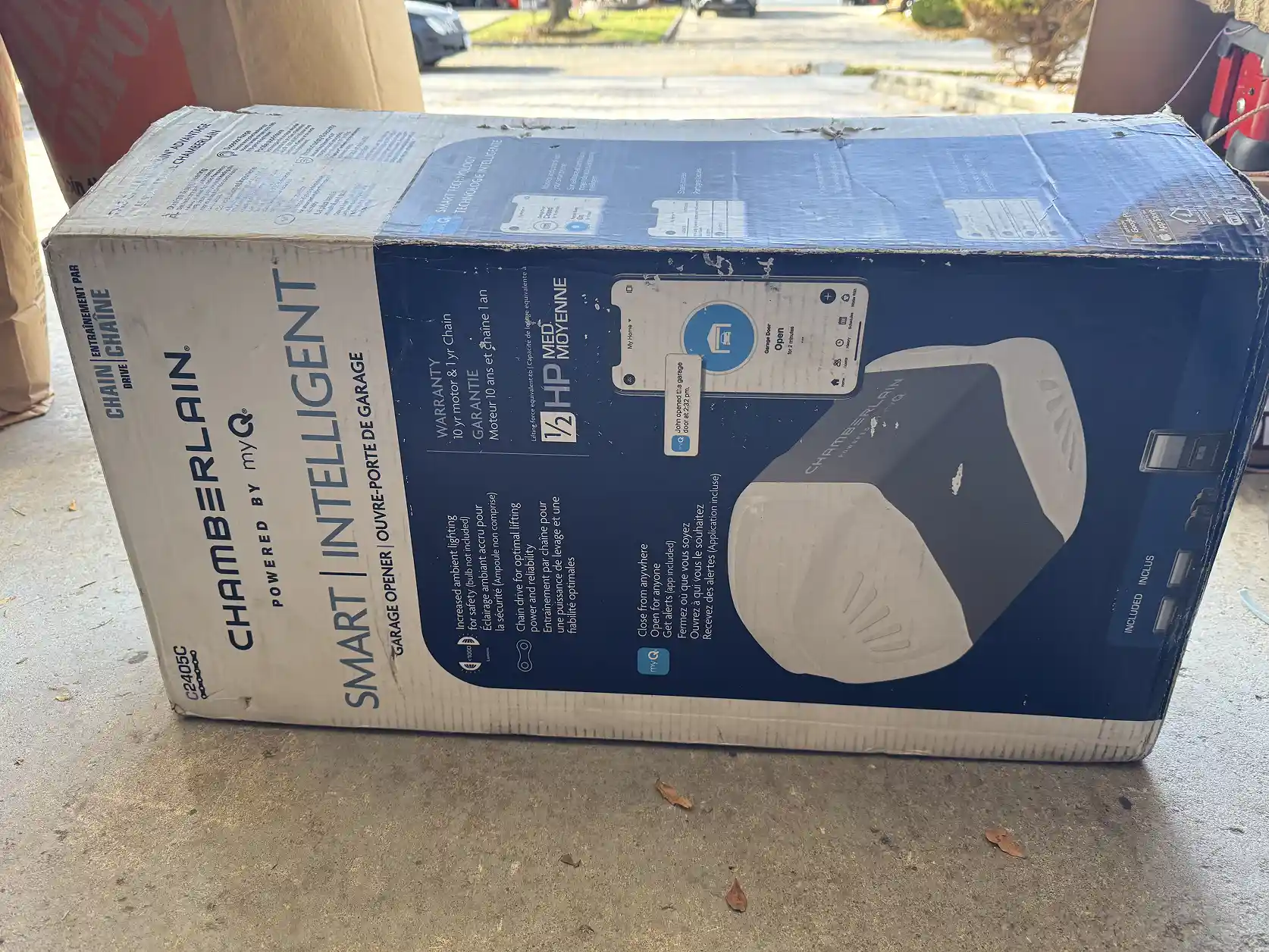
Choosing a garage door opener starts with the door’s weight and size, since a heavier insulated door or an oversized double door needs a stronger motor than a light single-car door. New construction gives the installer full flexibility to recommend the ideal opener from the start, while a replacement project sometimes reuses a functioning opener to control cost, provided it is compatible with the new door’s weight and travel.
Both project types benefit from an opener with modern safety sensors and a reliable auto-reverse function. A technician from our residential garage doors team can confirm whether an existing opener is safe to reuse or should be replaced alongside the new door.
What Should You Expect for Timeline and Cost?
New construction installation is often more predictable for cost and timeline, since the rough opening is built correctly from the start and there is no old system to remove. Replacement installation can take longer when the existing opening needs framing correction, though the actual door swap on a straightforward opening is usually completed in a single day.
Both project types benefit from a site visit before a firm quote is given, since opening size, headroom, and wiring conditions all affect the final price. Our installation services cover both new construction and replacement projects across Toronto and the GTA.
Planning Your Garage Door and Opener Installation with Legacy Garage Doors
Whether a project is new construction or a replacement, getting the rough opening confirmed and the opener matched to the door correctly is what keeps the installation on schedule and working reliably for years. New construction rewards early coordination with the builder, while replacement projects benefit from a thorough on-site assessment before work begins. Legacy Garage Doors handles both project types for homes and properties across Toronto and the GTA.
Planning a new build or ready to replace an aging door? Contact our team at Legacy Garage Doors for a site assessment and a written quote.
Frequently Asked Questions
1. Is new construction garage door installation cheaper than a replacement?
New construction installation is often more predictable in cost since the opening is built to spec and there is no old system to remove. Replacement projects can cost more when the existing opening needs correction, though a straightforward replacement on a standard opening is often comparable in price. To get accurate numbers for your project, request a quote and our team will assess the opening and provide transparent pricing.
2. Can I reuse my old garage door opener during a replacement installation?
An existing opener can often be reused during a replacement installation if it is in good working condition and rated for the new door’s weight and size. A technician should confirm compatibility before reinstalling an older opener on a new door. Our garage door services team carries out this compatibility check as part of every replacement assessment.
3. Who is responsible for the rough opening size in new construction?
The builder and framer are typically responsible for the rough opening size in new construction, based on the dimensions confirmed with the garage door installer. Confirming this measurement early in the framing stage prevents costly changes later in the project. For new builds across the GTA, our Legacy Garage Doors team coordinates directly with builders to align on specs before framing begins.
4. How long does a replacement garage door installation take?
A straightforward replacement installation on a standard opening usually takes a single day, including removal of the old door and system. Openings that need framing correction or unusual sizing can add extra time to the project. Browse our residential doors options to see the styles and sizes available for replacement projects in Toronto and the GTA.
5. Do I need a new opener if I am replacing just the garage door?
Not always. A functioning opener that is rated for the new door’s weight and size can often stay in place during a door replacement. An opener that is worn, outdated, or undersized for the new door should be replaced at the same time. Visit our Legacy Garage FAQ page for more guidance on opener compatibility and what to expect during a door replacement.
6. What information does an installer need before quoting a new construction project?
An installer needs the planned rough opening dimensions, the door style and size being considered, and the intended opener type to provide an accurate new construction quote. Confirming these details with the builder early avoids delays once framing is underway. Get in touch with our installation team early in your build to align on measurements and avoid costly revisions during framing.
Start Your Garage Door Installation Project in Toronto
Whether you are building a new garage or replacing an existing door, proper installation ensures your garage door and opener operate safely and reliably for years. Legacy Garage Doors helps Toronto and GTA homeowners with new construction garage door installation and replacement projects, from sizing the opening to selecting the right opener system. Contact our team today for a site assessment and a written quote tailored to your garage door installation needs.
Key Takeaways
- New construction installs into a rough opening built to the door’s exact specifications, with no old hardware to remove.
- Replacement installation requires verifying the existing opening and sometimes correcting settled or out-of-square framing.
- New construction generally gives more predictable cost and timeline outcomes than replacement projects.
- An existing opener can often be reused during replacement if it matches the new door’s weight and size.
- Early coordination between builder and installer is the key step that prevents rough opening problems in new construction.
- A site visit before a firm quote is standard practice for both new construction and replacement projects.