

Insulated commercial garage doors reduce heating and cooling costs, protect temperature-sensitive inventory, improve working conditions for staff, and extend the service life of the door system in Ontario’s demanding climate. Legacy Garage Doors supplies and installs insulated commercial doors for businesses across Toronto and the GTA, with certified installation and 24/7 emergency support after every job.
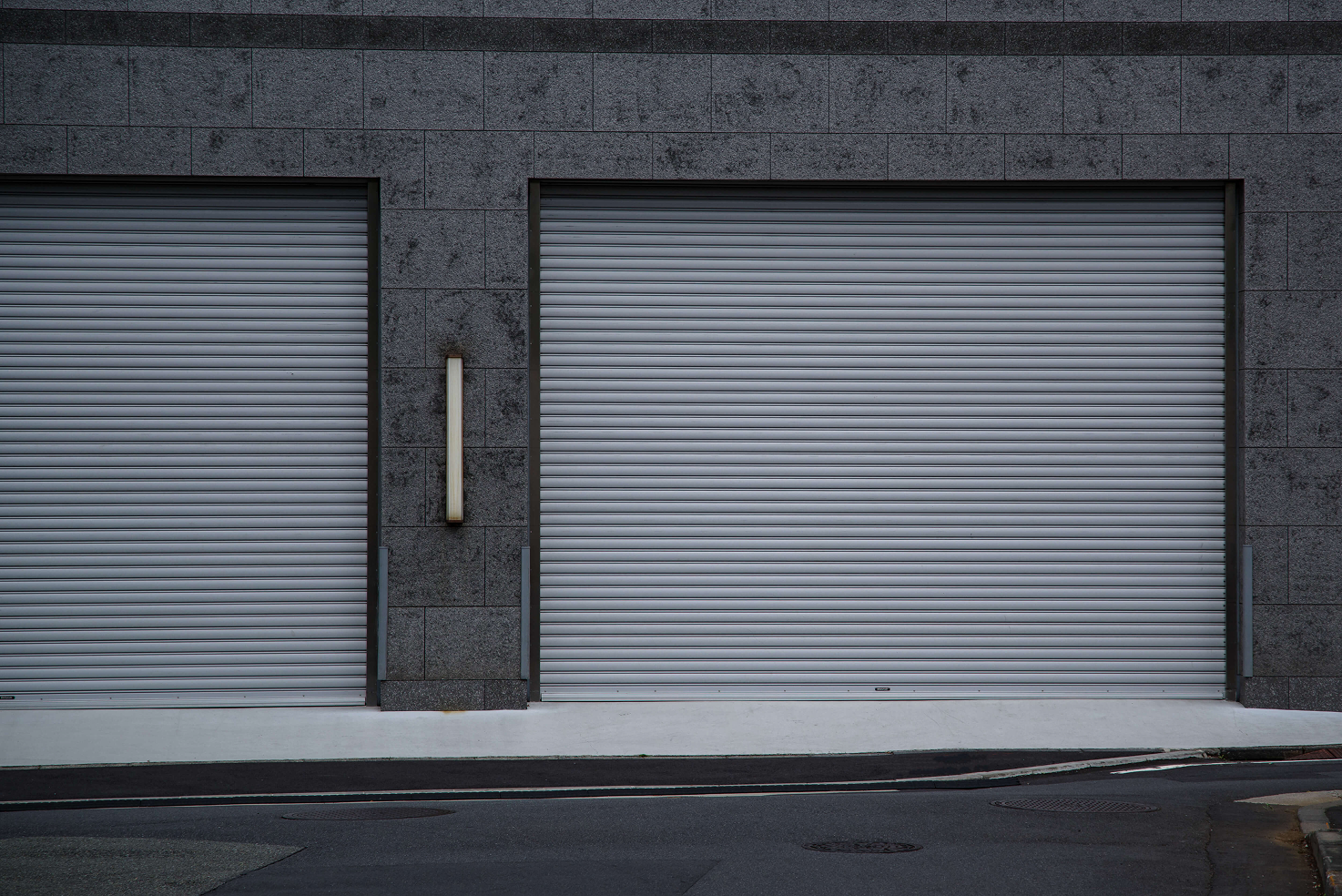
Commercial properties in Toronto operate through one of the widest temperature ranges of any major Canadian metropolitan area. A loading dock door that opens onto an unheated exterior in January, a warehouse that must maintain a controlled temperature for inventory, or a retail space that loses conditioned air through an uninsulated door every time a vehicle passes through all represent real operating costs that insulated commercial doors directly address.
The case for insulated commercial doors is financial, not aesthetic. Legacy Garage Doors helps commercial clients assess the performance benefits of insulation before installation and specifies systems that deliver those benefits under Ontario’s actual operating conditions. Our insulation guide covers R-value requirements by application type for facilities that want detailed thermal performance data.







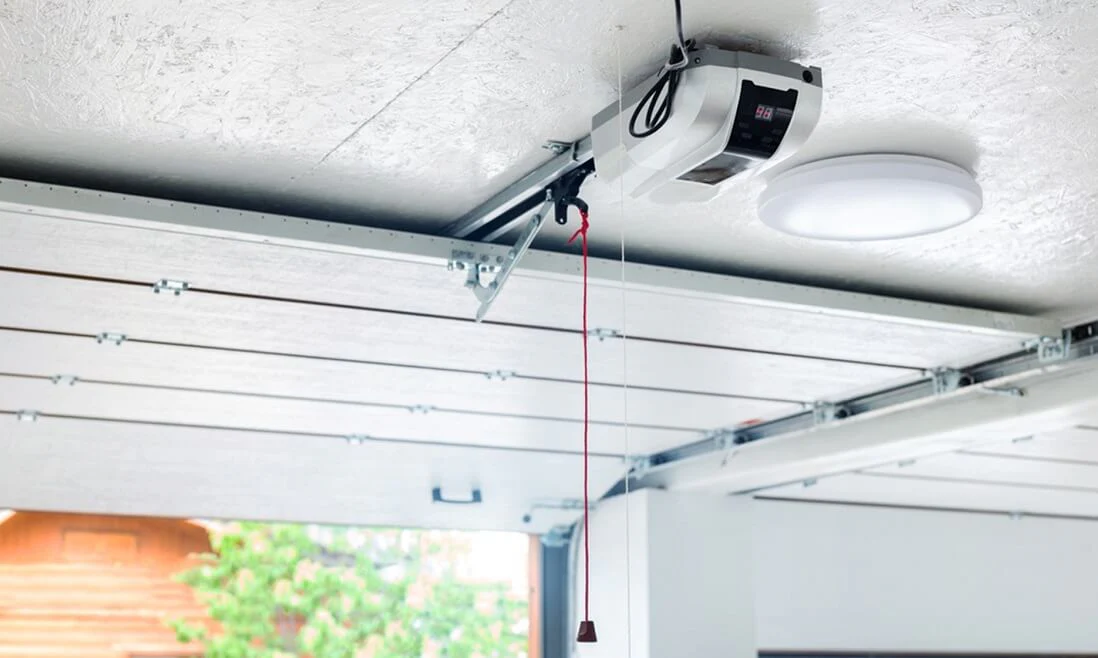
If your door is already showing signs of hardware wear, our repair team can inspect the full system and tell you which components need attention before a failure occurs.
Legacy Garage Doors provides complete insulated commercial door solutions covering specification, supply, installation, and post-installation verification.
Insulated rolling steel doors use polyurethane foam injected into the curtain slats during manufacturing. The foam fills the full cavity of the slat, bonding to both faces and providing both thermal resistance and structural rigidity. Polyurethane-insulated rolling steel curtains achieve higher R-values than polystyrene alternatives and maintain their performance across a wider temperature range. Our rolling steel doors page covers the insulated curtain specifications available for rolling steel applications.
Commercial sectional doors can be insulated with polystyrene slab inserts fitted into the panel cavity between the inner and outer steel skins. This is a cost-effective approach that suits commercial applications where a moderate level of thermal performance is required without the premium cost of polyurethane. Polystyrene is less effective per inch than polyurethane but provides meaningful improvement over uninsulated panels.
The thermal performance of any insulated commercial door depends on the inner and outer panel skins forming an effective thermal envelope around the insulation core. Double-skin construction, where the insulation is sandwiched between two steel faces with sealed joints, is significantly more effective than retrofit insulation applied to a single-skin panel.
Commercial sectional doors can be fitted with insulated double-pane vision panels that allow natural light and visibility without creating a thermal gap in the door. Single-pane vision panels significantly reduce the door’s effective R-value at those points and should be avoided where thermal performance is a priority.
Insulation in the door panel is only as effective as the sealing at the perimeter. A correctly insulated commercial door with failed bottom seals or gaps in the weatherstripping performs at a fraction of its rated R-value. Perimeter sealing systems for commercial doors include reinforced bottom seals, side seals, and top seals that close the gap between the door and the frame at all four edges.
We assess the facility’s operating conditions before specifying any insulation level. The required R-value for a loading dock door depends on the interior operating temperature, the typical exterior temperature on the coldest Ontario winter days, and the door’s daily cycle volume. We specify the insulation system that addresses the facility’s actual thermal load, not a generic product from a catalog.

Legacy Garage Doors follows a four-step process for every insulated commercial door installation.
Step 1: Site Assessment and Specification: We schedule a site visit, assess the facility’s thermal requirements and daily cycle volume, and provide a written, itemized quote. Call 437-229-8717 or contact us online to arrange the assessment.
Step 2: Product Approval: We present the recommended insulation specification with full product details. You review and approve before we order. Nothing is ordered without your written confirmation.
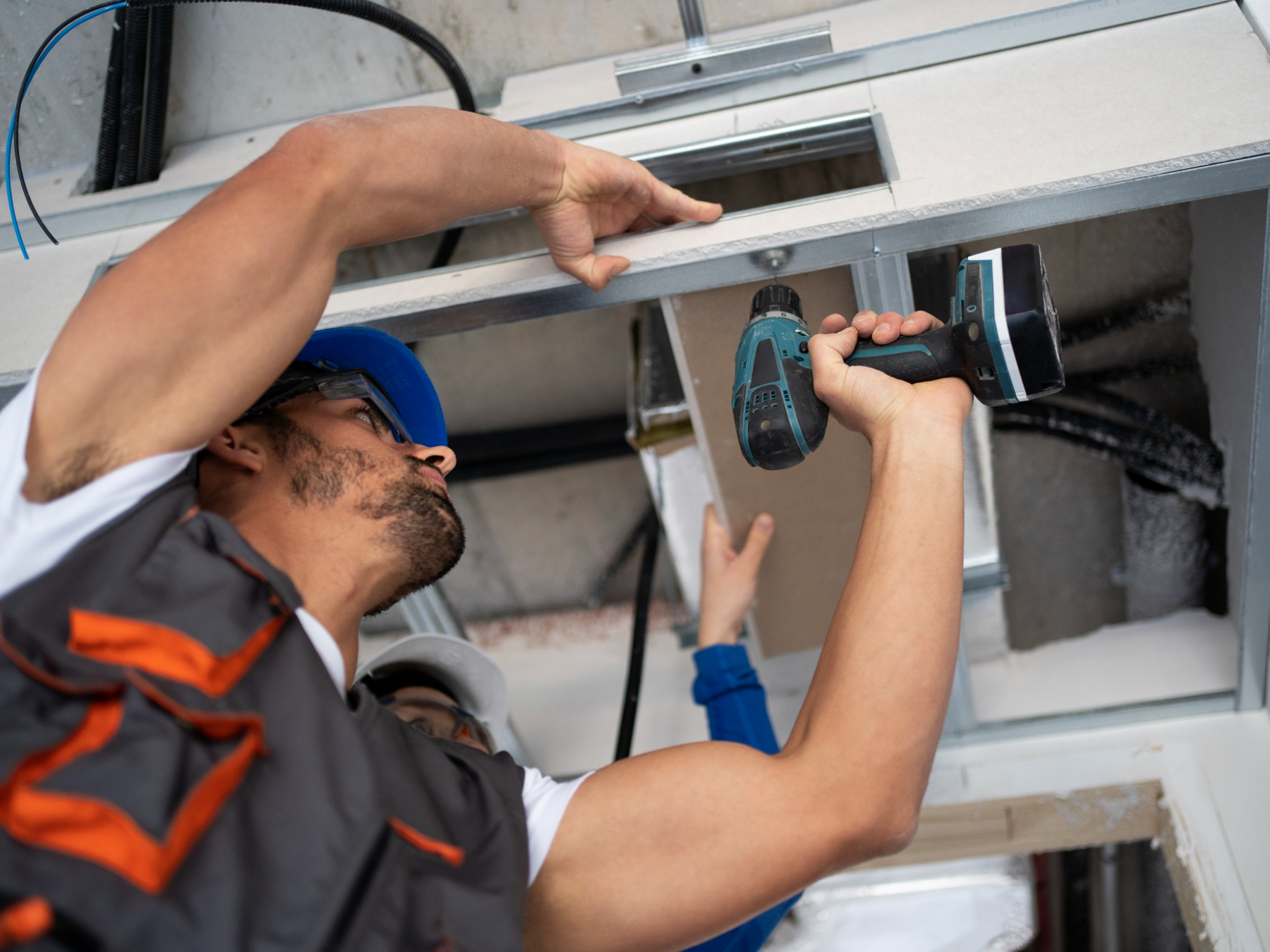
Step 3: Installation: Scheduled to minimize disruption to operations. Most insulated commercial door replacements are completed in a single day. Our certified technicians install and align every sealing component.
Step 4: Verification and Handover: Full perimeter seal verification, operational testing, and documentation delivery before we close the job. A visible gap at any point in the perimeter after installation is corrected before handover.
Legacy Garage Doors installs insulated commercial garage doors across the following areas:
To confirm service availability for your facility and schedule a site assessment, call 437-229-8717 or reach us through our contact form.
Legacy Garage Doors has been specifying and installing insulated commercial door systems across the GTA for over twenty years. Our team matches thermal specifications to each facility’s actual operating conditions rather than recommending a generic product. You can learn more about our approach at our story.
Common hardware questions are answered at the help center.
Read through our latest FAQs to stay informed about garage door trends and tips. Whether you’re looking for maintenance advice, installation guidance, or the latest industry news, our resources provide valuable information to help you make informed decisions.
The required R-value depends on the temperature differential between the interior and exterior, the door’s cycle frequency, and the facility’s heating system capacity. For a heated warehouse in Toronto, an R-value of R-12 to R-17 is a common specification. Cold storage applications requiring tighter temperature control typically require higher R-values. We calculate the appropriate specification during the site assessment.
Polyurethane provides higher R-value per inch, bonds to both panel faces for added structural rigidity, and maintains its performance better over time than polystyrene. Polystyrene is less expensive and suitable for applications where moderate insulation is sufficient. For most commercial applications in Ontario’s climate, polyurethane is the stronger choice for performance-sensitive applications.
In some cases, retrofit insulation panels can be fitted to existing single-skin commercial doors. However, the thermal performance of a retrofit approach is significantly lower than a purpose-built insulated door. If the existing door is nearing the end of its service life, replacement with a correctly specified insulated door is typically the more cost-effective choice.
Yes. Insulated commercial doors experience less thermal stress than uninsulated doors because the temperature differential across the panel is lower. This reduces the thermal expansion and contraction that accelerates paint adhesion failure, seal degradation, and hardware fatigue. An insulated commercial door in Toronto’s climate can have a meaningfully longer service life than an equivalent uninsulated door.
No. Maintenance requirements are similar for insulated and uninsulated commercial doors. Insulation does not add mechanical complexity. The additional sealing components require inspection as part of regular maintenance visits, but this adds only minutes to a standard service check.
Yes. Insulated fire-rated commercial doors are available. Insulation and fire rating requirements are not mutually exclusive and can be specified in a single door system. We provide compliance documentation for fire-rated installations at handover.
Insulated commercial doors carry a premium of 15 to 40 percent over uninsulated equivalents depending on the insulation type, door size, and manufacturer. This premium is typically recovered through energy savings within two to five years of installation at most Ontario commercial facilities.
An insulated commercial door pays for its premium over an uninsulated alternative through reduced heating and cooling costs. Getting the insulation specification right for your facility’s actual thermal load is the only way to realize those savings consistently over the door’s service life.
Call 437-229-8717 or request a site assessment through our contact form. Common questions about insulated commercial doors are addressed at Legacy Garage.
WhatsApp us
Facing an urgent issue with your garage door? We’re here to help you anytime, day or night.