
Garage doors fall into a handful of core operating types, including sectional, roll-up, tilt-up, side-hinged, and slide-to-the-side, and each one is suited to different headroom, driveway, and climate conditions. Legacy Garage Doors helps homeowners across Toronto and the GTA match the right door type to their garage before choosing style, material, and insulation level.
What Are the Main Types of Garage Doors?
The main types of garage doors are sectional, roll-up, tilt-up canopy, tilt-up retractable, side-hinged, and slide-to-the-side, and each one is defined by how the door opens and how much clearance it needs. Sectional doors use horizontal panels that travel up a track along the ceiling, while roll-up doors coil into a compact drum above the opening. Tilt-up doors move as a single solid panel, and side-hinged or slide-to-the-side doors open without any overhead track at all.
Homeowners in Toronto and across the GTA typically choose between these operating types before selecting a material, finish, or insulation package. The operating type determines headroom and driveway requirements, while material and insulation affect comfort, noise, and long-term maintenance.
How Does a Sectional Garage Door Work?
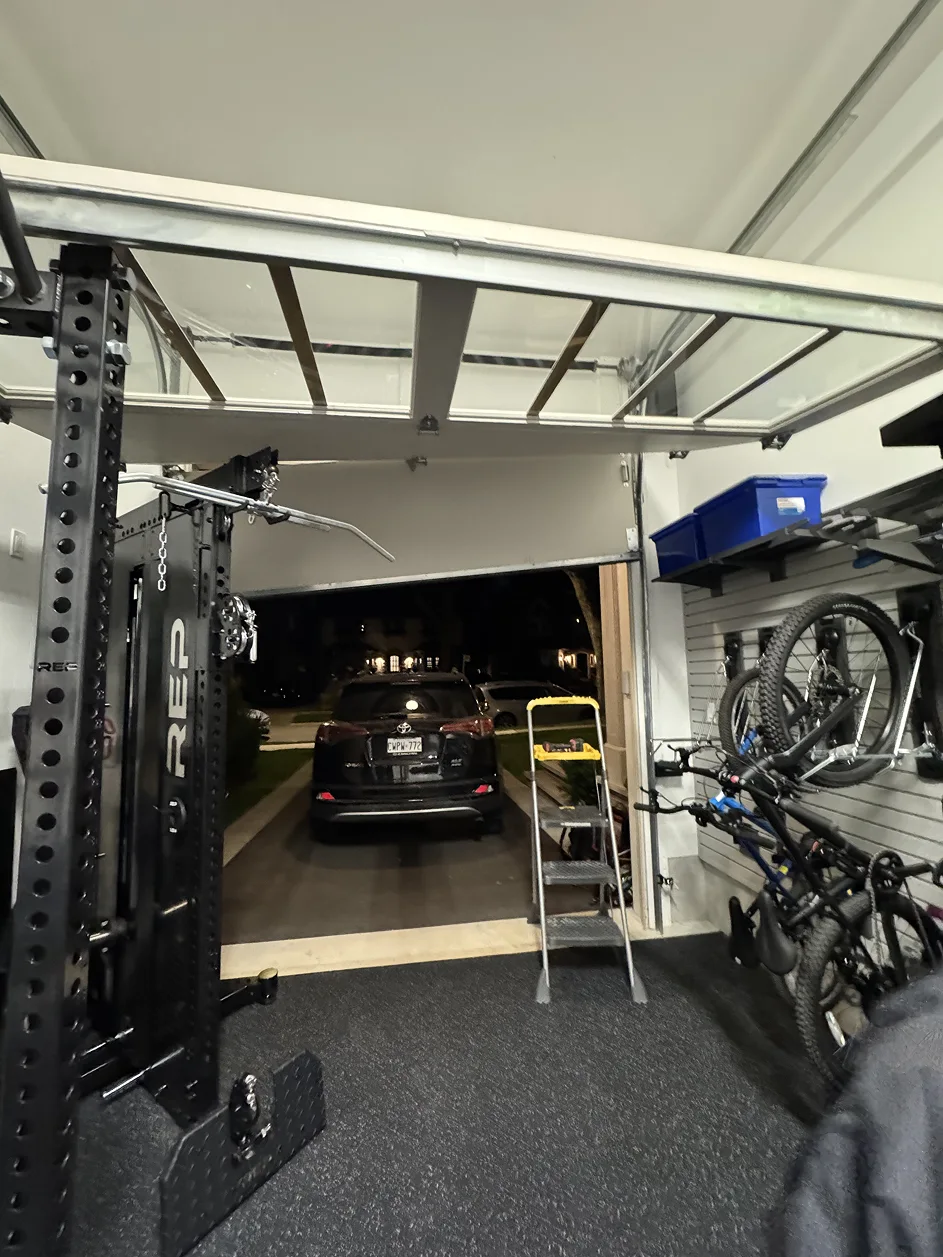
A sectional garage door is made of several horizontal panels connected by hinges that roll up a curved track and rest parallel to the garage ceiling when open. This design is the most common choice for attached garages because it needs no driveway clearance and pairs easily with an automatic opener.
Sectional doors typically need 12 to 15 inches of headroom, though low-headroom track kits are available for tighter garages. Panels can be replaced individually if one section is damaged, which keeps repair costs lower than replacing an entire door.
Many Toronto homeowners select insulated residential garage doors in this style because the individual panels seal tightly and support a wide range of window and colour combinations.
What Is a Roll-Up Garage Door Used For?
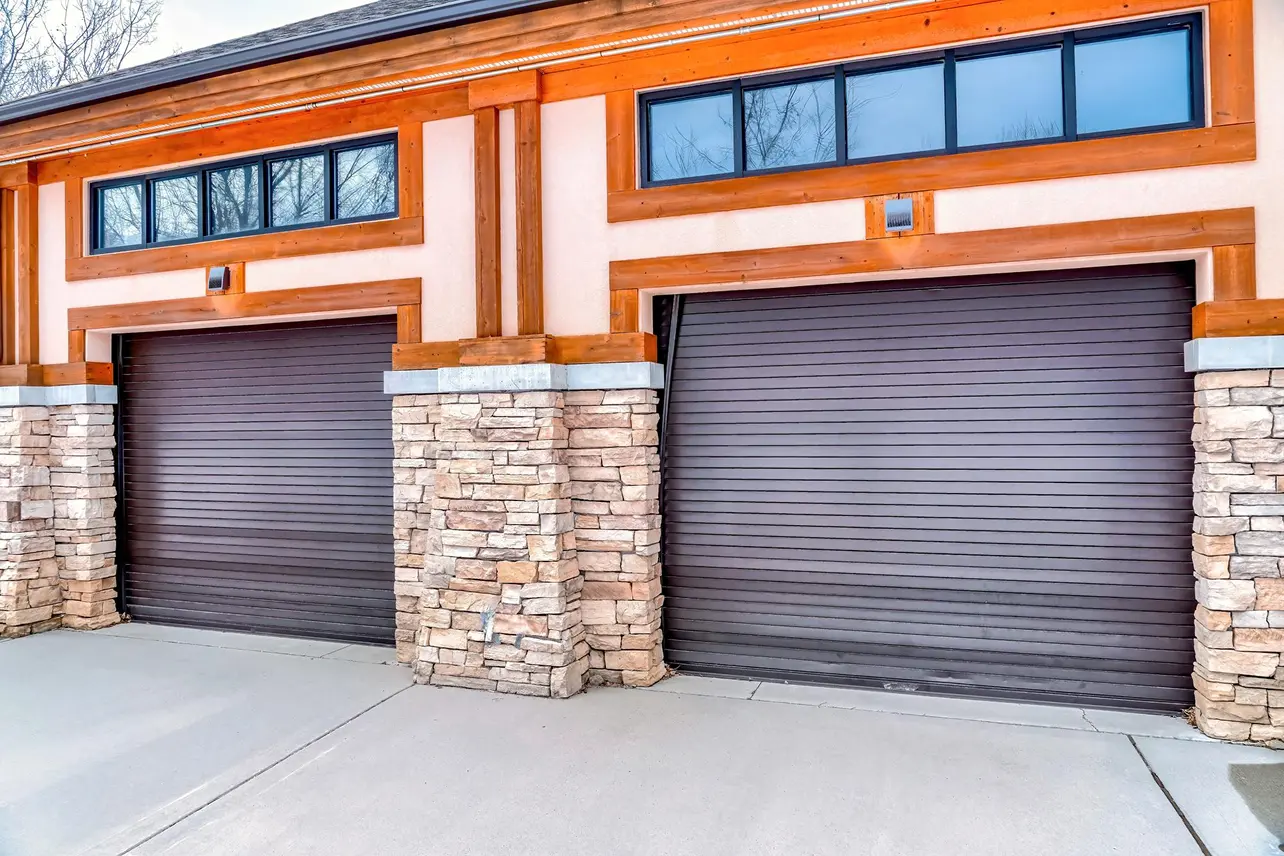
A roll-up garage door coils into a compact drum mounted above the opening instead of travelling along a ceiling track, which makes it the most space efficient option for garages with very little headroom. Roll-up doors are built from narrow interlocking slats, usually corrugated steel, and can handle frequent daily cycling without the wear that affects lighter residential doors.
Because of this heavy-duty construction, roll-up doors typically cost more upfront than a sectional door of the same size. Many commercial properties in the GTA choose rolling steel doors for loading areas and workshops where durability and security matter more than window options or decorative panels.
How Is a Tilt-Up Garage Door Different From a Sectional Door?
A tilt-up garage door is built from one solid panel that pivots outward and upward on a hinge, rather than folding into sections that travel along a track. Tilt-up canopy doors extend part of the panel past the front of the garage when open, while tilt-up retractable doors slide fully inside so nothing protrudes over the driveway.
Both styles need meaningful clearance in front of the opening, which makes them a poor fit for short driveways or garages close to a walkway. Sectional doors avoid this problem because the panels rise straight up and back, leaving the driveway completely clear the moment the door opens.
What Are Side-Hinged and Slide-to-the-Side Garage Doors?
Side-hinged garage doors swing open from hinges mounted on the side of the frame, much like a set of exterior doors, and are often chosen to match a carriage house or heritage home style. Slide-to-the-side doors move horizontally along a track mounted on the interior wall instead of overhead, which makes them useful in garages with almost no headroom above the opening.
Neither style needs a torsion spring system, which simplifies long-term maintenance. Combined with steel or aluminum construction, these operating styles also appear on commercial garage doors where wall-mounted storage or shelving limits access to overhead ceiling space.
Which Garage Door Type Performs Best in Ontario Winters?
Sectional garage doors with polyurethane insulation typically perform best in Ontario winters because the foam core is injected between the interior and exterior steel skins, which raises the R-value and reduces drafts around the panel seams. Weather seals on the bottom panel and side tracks also affect performance, since a worn seal lets moisture and cold air into the garage regardless of the door type chosen. Oakville homeowners near the lake often add extra weatherstripping because wind-driven snow finds gaps that would not be a problem further inland.
Salt spray and freeze-thaw cycles also shorten the life of exposed hardware, so galvanized or stainless steel rollers and hinges hold up better over an Ontario winter than standard zinc-plated parts. Mississauga properties close to major roads see faster hardware corrosion from road salt, which makes an annual lubrication and inspection routine worth scheduling before the first freeze.
What Materials Are Garage Doors Made From?
Garage doors are most commonly built from steel, aluminum, wood, or a steel and composite hybrid, and the material chosen affects weight, insulation, and long-term maintenance. Steel doors resist dents and impact well and accept insulation cores ranging from 42 millimetres to 67 millimetres depending on the panel design.
Aluminum doors weigh less and resist rust, which makes them a common choice for sectional aluminum doors used on wide commercial openings where full-view glass panels are popular. Wood doors offer a traditional look but need more frequent refinishing to hold up against Ontario humidity and temperature swings, while composite doors combine a wood grain finish with a steel frame for a similar appearance with less upkeep.
How Do You Choose the Right Garage Door Type for Your Home?
Choosing the right garage door type starts with measuring the space, then matching operation style, material, and insulation to how the garage is used.
Step One: Measure headroom, backroom depth, and driveway clearance, since these three measurements rule out tilt-up or side-hinged designs before a single style decision is made.
Step Two: Decide whether the garage is heated or attached to living space, which determines whether an insulated sectional or roll-up door is worth the added cost.
Step Three: Match the material to the exposure the door faces, choosing steel or aluminum for high-traffic or coastal-adjacent properties and reserving wood or composite for garages with more shelter.
Step Four: Confirm sizing and hardware with our technicians before ordering, since standard openings range from single-car to double-wide and hardware differs between operating types.
Homeowners replacing an aging door instead of repairing it should also compare the cost of patch repairs against a full garage door replacement, since older doors without modern spring balancing or insulation often cost more to maintain over several winters than a new installation would cost upfront.
Garage Door Types Compared
|
Garage Door Type |
Headroom Needed |
Driveway Clearance |
Typical Use |
|
Sectional |
12 to 15 inches |
None |
Attached homes, most GTA residential garages |
|
Roll-Up |
12 to 18 inches |
None |
Commercial bays, high-cycle workshop use |
|
Tilt-Up (Canopy or Retractable) |
Minimal |
Significant |
Older homes, heritage-style matching |
|
Side-Hinged or Slide-to-the-Side |
None overhead |
Minor (side-hinged only) |
Carriage house look, very low headroom garages |
Finding the Garage Door Type That Fits Your Garage
The right garage door type comes down to the space available, the climate the door faces, and how the garage gets used day to day. Sectional doors remain the most practical choice for most attached homes in Toronto and the GTA, while roll-up, tilt-up, and side-hinged designs solve specific headroom or driveway limitations.
Matching material and insulation to the operating type prevents the common problems homeowners run into after an Ontario winter, including stiff hinges, drafts, and corroded hardware.
Frequently Asked Questions
1. What is the most common type of garage door for homes?
Sectional garage doors are the most common type of garage door for homes because the panels slide straight up along a ceiling track without needing driveway clearance. This operation style suits attached garages of nearly any size, works well with automatic openers, and accepts a wide range of insulation levels, materials, and window options for GTA properties.
2. How much headroom does a garage door need?
Most sectional garage doors need between 12 and 15 inches of headroom above the opening, while roll-up doors typically need 12 to 18 inches to accommodate the coiled drum. Low-headroom track kits are available for sectional doors in tighter garages, and side-hinged or slide-to-the-side doors avoid the overhead requirement entirely.
3. Which garage door type works best in cold Ontario winters?
Insulated sectional garage doors with a polyurethane core typically perform best in cold Ontario winters because the foam fills the space between the steel skins and reduces drafts around the panel seams. Weather seals on the bottom panel and side tracks matter as much as the door type, since a worn seal lets cold air and moisture into the garage regardless of insulation level.
4. Can a garage door type be changed without replacing the track and opener?
Changing from one garage door type to another usually requires replacing the track, springs, and sometimes the opener, since sectional, roll-up, and tilt-up doors each use different hardware systems. Homeowners switching from an older tilt-up door to a sectional design should plan for a full replacement rather than a partial upgrade.
5. How long does a typical garage door last?
A well-maintained sectional or roll-up garage door typically lasts between 15 and 30 years, depending on material, usage frequency, and how consistently the hardware is lubricated and inspected. Ontario winters shorten this lifespan when road salt and freeze-thaw cycles are left unaddressed, which makes annual maintenance an important part of getting the full service life from any door type.
6. Do commercial and residential garage doors use different materials?
Commercial garage doors typically use heavier steel or aluminum construction to handle higher daily cycle counts, while residential doors prioritize insulation, window options, and finish variety. Rolling steel doors and sectional aluminum doors are common in commercial settings, whereas insulated sectional steel doors remain the standard choice for most GTA homes.
Book a Garage Door Consultation With Legacy Garage Doors
Homeowners across Toronto, Scarborough, Markham, Pickering, Vaughan, and Mississauga can schedule a measurement and consultation with Legacy Garage Doors to confirm which garage door type and insulation package fits their home before ordering. Call to speak with the team and book a free, no-obligation estimate.
Key Takeaways
- Sectional garage doors are the most common residential type and need 12 to 15 inches of headroom with no driveway clearance.
- Roll-up doors coil into a compact drum above the opening and suit high-cycle commercial use more than residential garages.
- Tilt-up canopy and retractable doors require driveway or backroom clearance and operate as a single solid panel.
- Side-hinged and slide-to-the-side doors avoid overhead track requirements entirely, which suits low-headroom garages.
- Polyurethane-insulated sectional doors typically perform best against Ontario winters when paired with intact weather seals.
- Garage door material, including steel, aluminum, wood, and composite, affects weight, insulation, and long-term maintenance needs.