

Choosing the right garage door material is one of the most consequential decisions in any door installation. This guide from Legacy Garage Doors covers all primary material options for Toronto homes, with honest assessments of how each performs in Ontario’s climate, what it costs to maintain, and which properties it suits best.
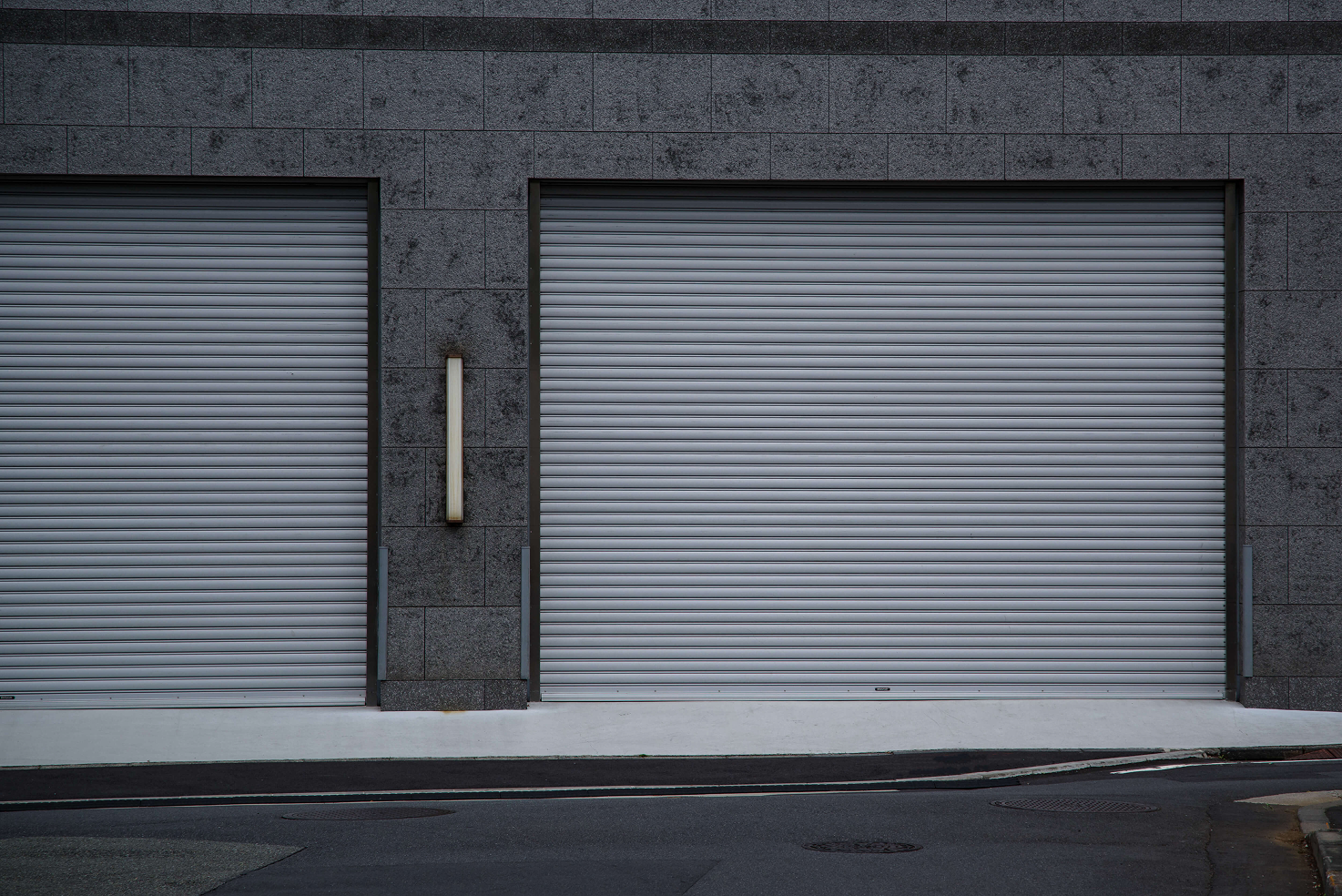
Material selection affects how your door performs in every Toronto season: how it holds up through freeze-thaw cycling, how much heat it loses in January, how it looks after five years of salt exposure and UV degradation, and how much time and money it costs to maintain. No material is universally the best choice. The right material depends on your garage’s configuration, your design preferences, and how you use the space. Our insulation guide covers R-value performance by material type for Toronto homeowners who want thermal performance data alongside this overview.








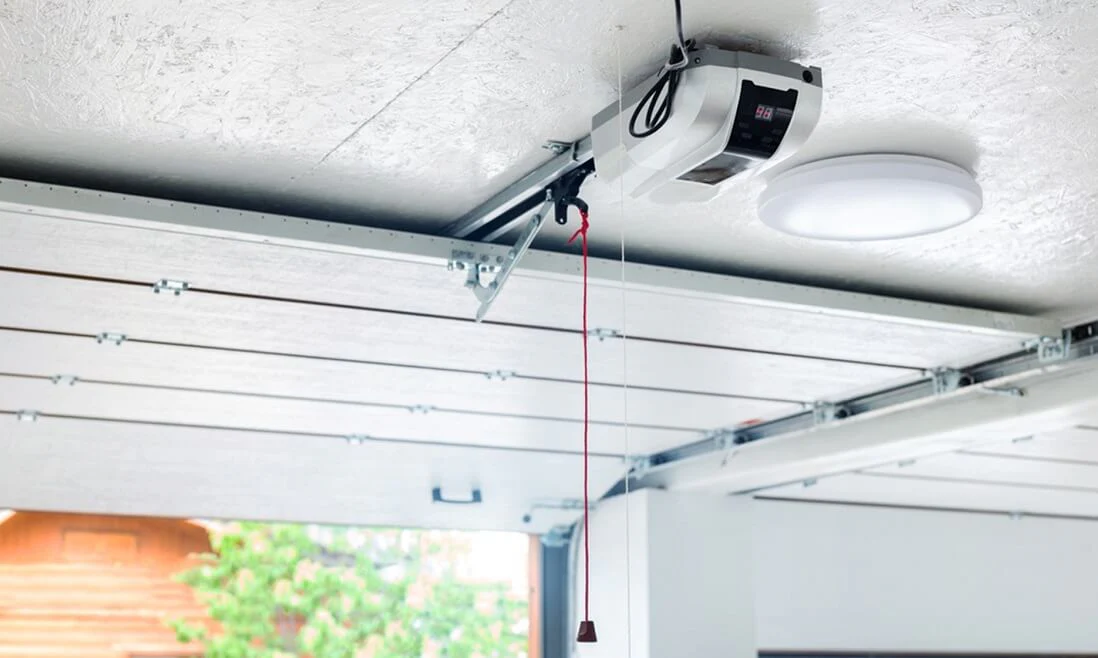
Steel is the most commonly installed garage door material in Toronto and across the GTA. Steel doors are constructed from one or more layers of galvanized steel skin, with or without an insulation layer between them. Single-skin steel doors are the entry-level option. Double-skin doors with a polystyrene slab insert are mid-range. Double-skin doors with injected polyurethane foam are the premium configuration and provide the best combination of thermal performance and structural rigidity available in any material category.
Galvanized steel resists corrosion in moderate conditions, but Toronto’s road salt environment and freeze-thaw cycling accelerate paint adhesion failure on lower-grade products. Premium steel doors use a multi-stage paint process that significantly extends finish life. For Toronto homes with attached heated garages, a polyurethane-core steel door is the most practical choice. Our cold climate guide covers how different steel specifications perform through Ontario winters.
Steel suits homeowners who want reliable performance with low maintenance, across any budget range, in carriage-house, raised-panel, flush, or contemporary design styles.
Aluminum garage doors use extruded aluminum frames with full-view glass panels, narrow-line designs, or aluminum skin panels. They are most commonly specified for contemporary and modern home exteriors where clean lines and glass compatibility are a design priority. Aluminum does not rust, which is a genuine advantage in Toronto’s salt environment. However, aluminum dents more easily than steel and has lower thermal resistance, which is a meaningful disadvantage for attached heated garages.
Aluminum doors with double-pane insulated glass and thermally broken frame profiles provide reasonable insulation for their design category. Pure aluminum single-pane designs are poor performers thermally and are not appropriate for attached heated garages in Toronto’s climate. Aluminum suits contemporary and modern home exteriors and detached garages where thermal performance is less critical.
Wood garage doors are constructed from solid wood species including cedar, redwood, hemlock, and Douglas fir, or from engineered wood composites using a wood frame with wood fibre or MDF panel faces. Solid wood doors require more maintenance in Toronto’s climate than any other material. Wood expands and contracts with humidity and temperature changes, causing paint to crack, joints to open, and hardware to bind. A wood door that is not refinished every two to five years will develop moisture ingress at panel seams that accelerates deterioration significantly. In Toronto, a wood door is a maintenance commitment, not just a design choice.
Wood suits homeowners who prioritize appearance and accept a higher maintenance commitment, properties with a traditional, rustic, or craftsman architectural style, and detached garages with protected exposure.
Wood composite doors use a wood frame with composite panel faces made from wood fibre, resin, and polymer compounds. They offer the appearance of wood with significantly better resistance to warping, splitting, and moisture absorption. They are painted rather than stained and represent a practical middle ground between solid wood aesthetics and the dimensional stability of steel. Wood composite doors perform considerably better than solid wood in Toronto’s freeze-thaw environment, though they still expand and contract more than steel and require periodic inspection of painted surfaces.
Fiberglass garage doors are available in Canada but represent a small share of the market compared to steel and wood composite. They do not rust, are lightweight, and can be manufactured with wood-grain textures. Their primary disadvantage for Toronto homeowners is brittleness in extreme cold. Fiberglass panels can crack under impact at low temperatures, which is a real risk in a Canadian winter context. They are generally not the first recommendation for GTA homeowners.

The hardware specified alongside a garage door must be matched to both the door’s material and Toronto’s operating conditions. Steel doors with polyurethane cores are structurally rigid and place consistent, predictable loads on springs, cables, and rollers. Wood and wood composite doors expand and contract seasonally, which affects hinge mounting point integrity and hardware fit over time. Aluminum doors are lighter but require operator and spring specifications matched to their lower weight class. In all material categories, galvanized cables, sealed-bearing nylon rollers, and powder-coated hardware hold up significantly better than uncoated equivalents in Toronto’s road salt and freeze-thaw environment.
When we install a door in any material, we specify hardware appropriate for that material’s load characteristics and for Ontario’s operating conditions. Our cold climate section covers how Toronto’s climate affects the full door system and what hardware specifications matter most for long-term performance across all material categories.
Replacement is warranted when any of the following are present:
Our maintenance checklist gives homeowners a practical guide to monitoring door condition across all material categories between professional service visits.
Not every material issue requires a full door replacement. Individual panels can often be replaced on steel and wood composite doors where the surrounding sections and frame remain structurally sound. Wood doors with surface finish failure can be refinished where the underlying structure is intact. Hardware components across all material categories are serviceable independently of the door panels.
There is a point, however, where panel matching is no longer achievable, moisture damage has progressed too far, or the cumulative cost of maintenance makes replacement with a correctly specified new door the more economical decision. Our repair vs replacement guide walks through that decision clearly. Our technicians will assess your existing door honestly and advise on whether continued maintenance or replacement is the right path for your property.
Legacy Garage Doors installs garage doors in all materials across Toronto, Scarborough, Vaughan, Markham, Etobicoke, North York, Pickering, Richmond Hill, Mississauga, Hamilton and Aurora.
Common hardware questions are answered at the help center.
Read through our latest FAQs to stay informed about garage door trends and tips. Whether you’re looking for maintenance advice, installation guidance, or the latest industry news, our resources provide valuable information to help you make informed decisions.
Steel is by far the most commonly installed material in Toronto and across the GTA. Polyurethane-insulated steel doors are the most frequently specified product for attached residential garages where thermal performance and low maintenance are both priorities.
For most Toronto homeowners, steel is the more practical choice. It requires less maintenance, performs better thermally when correctly insulated, and holds up better in the freeze-thaw environment. Wood is appropriate for homeowners who prioritize appearance and are willing to commit to the refinishing schedule it requires in this climate.
For an attached heated garage in Toronto, a door with an R-value of R-12 or higher is a reasonable minimum target. Polyurethane-insulated steel doors typically achieve R-16 to R-18. Our insulation guide covers R-value recommendations by garage type and usage in detail.
Aluminum does not rust, which is one of its main advantages in Toronto’s salt environment. However, aluminum doors are more susceptible to denting than steel and have lower thermal performance. The absence of rust is a genuine advantage, but it does not compensate for weaker performance in other categories for most Toronto applications.
With proper maintenance: steel 20 to 30 years; wood composite 15 to 25 years; solid wood 15 to 20 years with consistent refinishing; aluminum 20 to 25 years. Premium steel with good paint and regular maintenance typically achieves the longest service life in Toronto’s climate.
Yes. Many steel door manufacturers produce products with embossed wood-grain textures on the panel surface. Carriage-house overlay designs on steel doors are widely available and provide a traditional appearance with the performance benefits of steel construction.
A polyurethane-insulated steel door is the best choice for a heated workshop garage in Toronto. The combination of high thermal resistance, structural rigidity, and low maintenance makes it the most practical option for a space that is regularly occupied and heated through a Toronto winter.
Yes, and it is worth considering carefully when replacing an aging door. If your existing door is wood and the maintenance commitment has been more than expected, switching to a polyurethane-insulated steel door with a wood-grain embossed finish delivers a similar appearance with significantly lower ongoing maintenance. If your existing door is single-skin steel and thermal performance has been poor, upgrading to a polyurethane-core product addresses that directly. We assess your existing opening, frame condition, and requirements during the consultation and advise on which material change, if any, makes sense for your property.
Material selection is where every good garage door project starts. Legacy Garage Doors helps Toronto homeowners choose the material that matches their property, their climate exposure, and their maintenance preferences before recommending any product.
Call 437-229-8717 or request a free consultation through our contact form. Common questions about material options are addressed at Legacy Garage.
WhatsApp us
Facing an urgent issue with your garage door? We’re here to help you anytime, day or night.

