
Home security audits consistently identify the garage door as one of the most exploitable entry points in residential properties, yet it is frequently the area least prepared for inspection. Legacy Garage Doors helps Toronto homeowners address the specific vulnerabilities that auditors, insurance adjusters, and security consultants look for, from hardware condition and opener security to lighting, automation, and emergency access procedures. This guide provides a practical, room-by-room style checklist to get your garage door audit-ready without last-minute scrambling.
Why the Garage Door Is Often the Weakest Point in a Security Audit
A garage door represents the largest single opening in most homes, often large enough to admit a vehicle, and it typically receives far less security attention than entry doors and windows. Auditors and insurance adjusters examining a Toronto property look specifically for outdated openers without rolling code technology, damaged or warped door panels that reduce structural resistance, manual release mechanisms that can be triggered from outside, inadequate lighting around the exterior perimeter, and the absence of any remote monitoring or alert capability. Legacy Garage Doors helps clients address every item on this list with targeted upgrades rather than unnecessary full replacements.
The Insurance Bureau of Canada notes that documented security improvements, including garage door hardware upgrades and lighting installations, can support conversations with insurers about premium adjustments.
The Garage Door Security Audit Checklist
1. Physical Condition and Structural Integrity
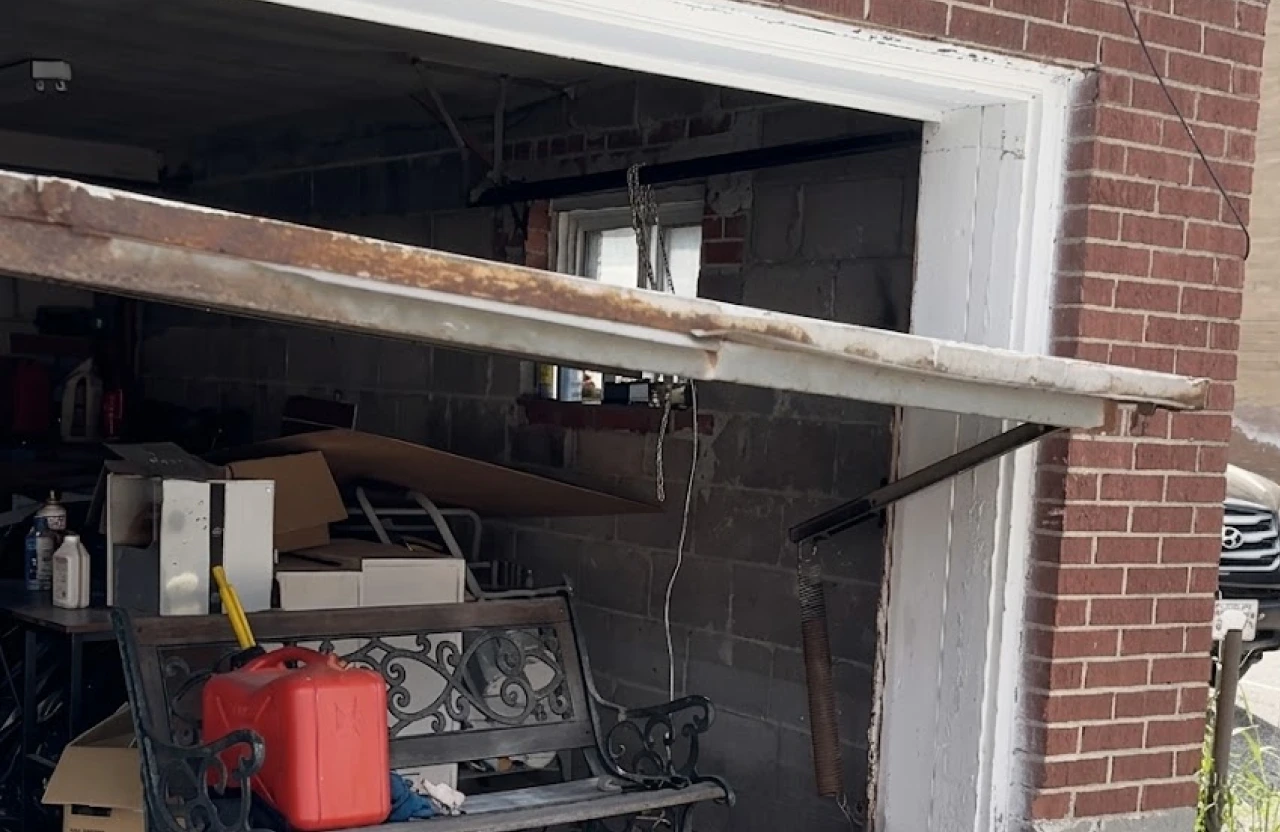
Walk the full perimeter of the door and frame before an audit and document what you find. Inspect panels for dents, rust, cracks, or signs of forced entry attempts. Check weatherstripping and bottom seals for tears, compression failure, or gaps that allow light to pass through when the door is closed. Test all locks and handles for full engagement. Examine hinges and rollers for smooth, quiet operation. Any visible damage or misalignment is a flag during a professional audit. If you find issues, schedule garage door repair before the audit date.
2. Opener Security Features
Opener technology has advanced significantly over the past decade, and older units are a specific area of concern for auditors. Verify that your opener uses rolling code technology, which generates a new encrypted signal with each use, preventing code capture and replay attacks. Test the auto-reverse function by placing a solid object in the door’s path; the door should reverse immediately on contact. Confirm that the manual release cord is accessible from inside but cannot be reached through the top of the door frame with a wire. If your opener is more than 10 years old, a garage door opener replacement is often the most efficient way to address multiple audit concerns in a single step.
3. Keypad and Access Control
Keypad codes should be changed regularly and should not be based on easily guessable information. The keypad should be mounted out of direct sightlines from the street to prevent observation during entry. The surface should be cleaned periodically to prevent wear patterns from revealing which digits are used most frequently. For households where multiple people need access, individual codes are preferable to a shared PIN. Visit Legacy Garage Doors for common questions about keypad programming and code security.
4. Remote Monitoring and Smart Access
An opener without any monitoring capability is a gap that modern auditors note consistently. Smart openers with Wi-Fi connectivity allow real-time status checking, push alerts when the door opens or closes unexpectedly, and remote operation for guests and service providers. The Canadian Centre for Cyber Security recommends using strong, unique passwords for all smart home device apps and enabling two-factor authentication wherever available.
5. Exterior Lighting
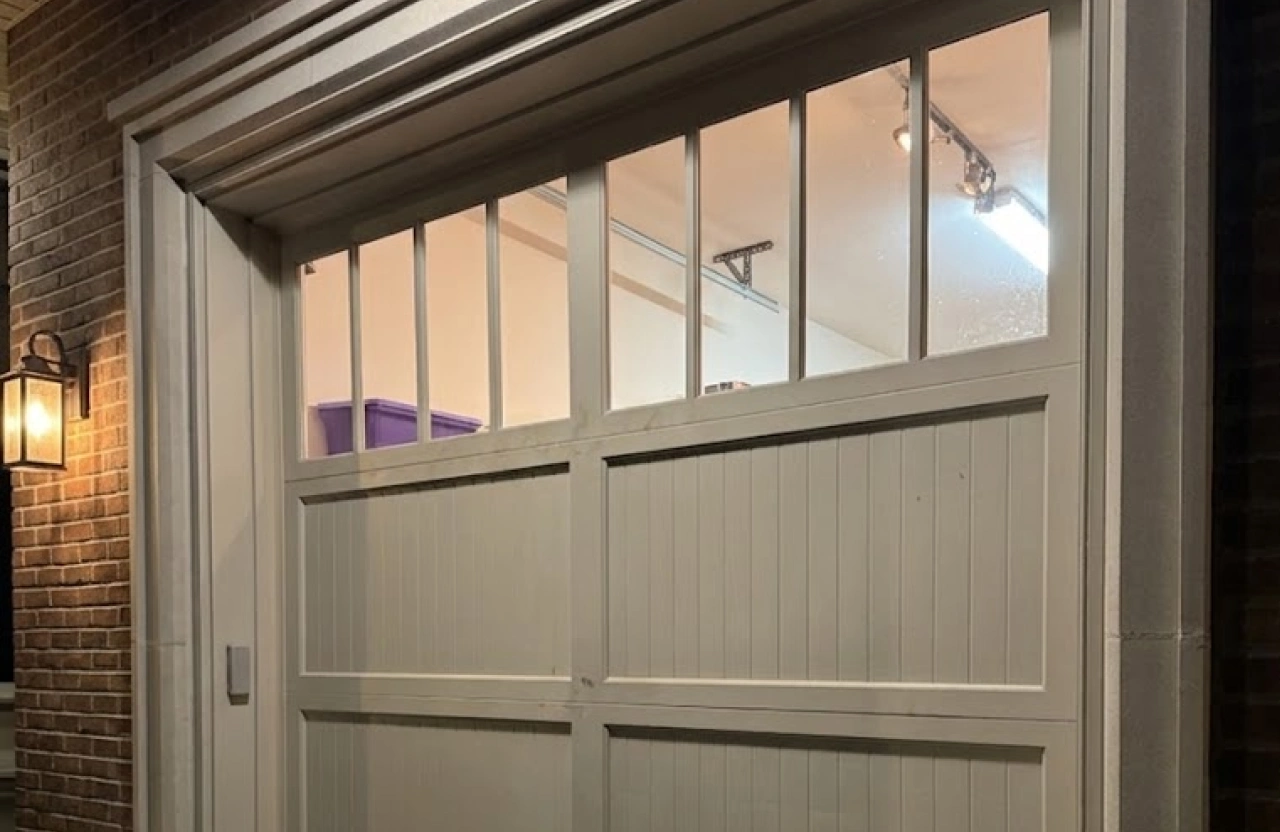
Motion-activated lighting around the garage perimeter is one of the highest-impact, lowest-cost security improvements available for any property. Auditors look for coverage of the driveway approach, the area directly in front of the door, and the pathway between the garage and the street. Dusk-to-dawn lighting at the garage entrance provides baseline visibility without requiring a motion trigger. Interior automatic lighting helps during late-night access and signals occupancy from the exterior.
6. Interior Entry Door Security
The door connecting the garage interior to the main home is often overlooked during audit preparation. This door should have a solid core, a Grade 1 deadbolt, and ideally a smart lock with monitoring capability. A compromised garage door combined with a weak interior entry door creates a two-step breach scenario that auditors flag as a significant vulnerability. If your interior garage door needs attention, Legacy Garage Doors can assess the full garage entry system during a single visit.
7. Emergency Preparedness
Know how to manually operate your garage door during a power failure and practice the disconnect procedure before an audit rather than describing it theoretically. If your opener does not have a battery backup, installing one removes a vulnerability that auditors note on properties in areas susceptible to power interruptions. Store the emergency release handle in a location accessible from inside the garage but not from outside.
Smart Upgrades That Address Multiple Audit Items
- Modern smart opener with rolling code: Addresses opener security, monitoring, and remote access in a single installation.
- Battery backup: Addresses emergency preparedness and power outage vulnerability.
- Motion-activated lighting: Addresses exterior visibility and perimeter deterrence.
- Reinforced bottom seal and weatherstripping: Addresses physical condition, pest control, and energy efficiency simultaneously.
- Interior entry door deadbolt upgrade: Addresses the two-step breach vulnerability that auditors look for.
Preparing Your Garage Door Passes the Test
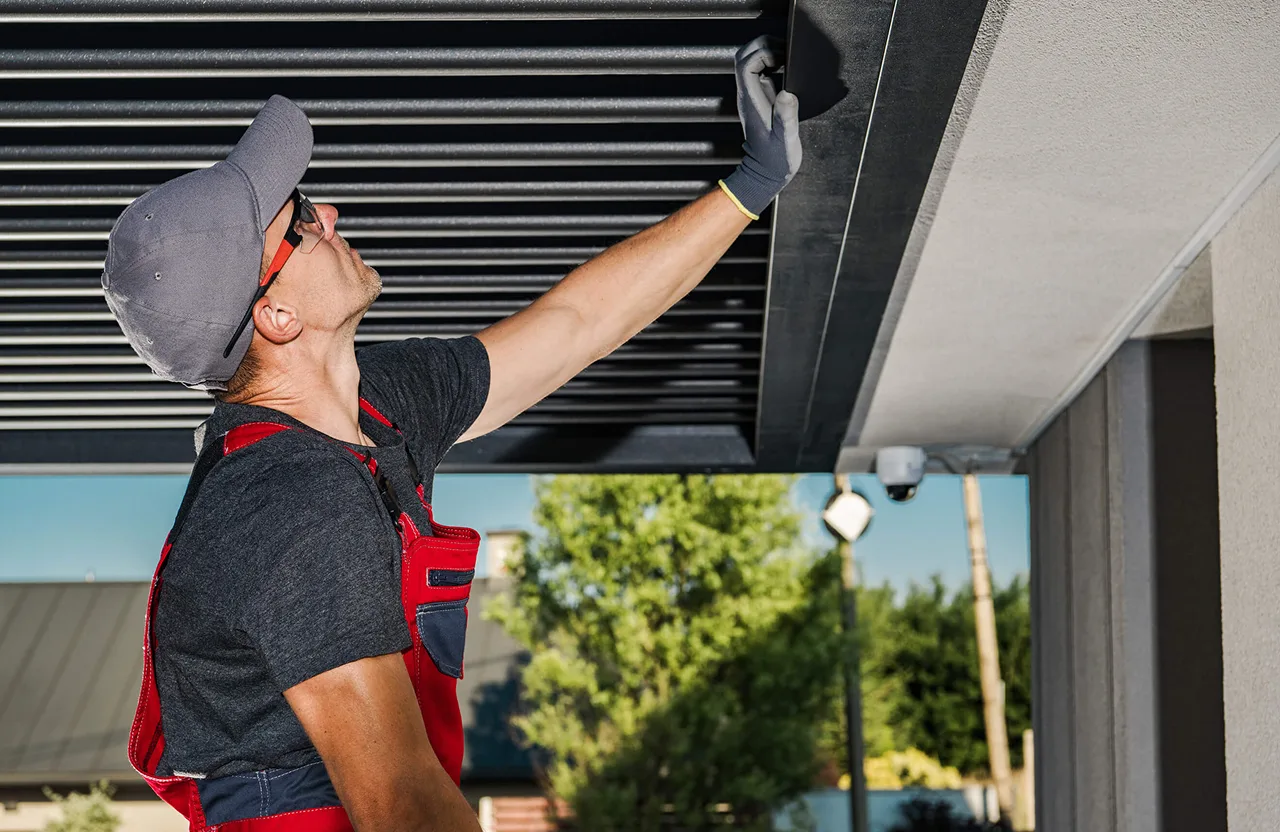
A failed security audit is not the end point; it is an itemized list of improvements to make. Most garage door vulnerabilities identified during a professional audit are addressable through targeted upgrades rather than full door replacement. Legacy Garage Doors provides pre-audit inspections across Toronto and the GTA, with honest documentation of what needs attention and transparent pricing on every recommended upgrade. Call today or book your security check online.
Frequently Asked Questions
1. What do home security auditors look for in a garage door?
Auditors examine physical condition including panel integrity and seal quality, opener technology including rolling code and auto-reverse features, access control including keypad security and remote management capability, exterior lighting coverage, and the security of the interior entry door connecting the garage to the main home.
2. Can Legacy Garage Doors provide documentation of repairs for an insurance auditor?
Yes. Every service visit generates a documented record of work performed, parts replaced, and current system condition. We provide this documentation in a format suitable for insurance carriers, property managers, or security audit follow-up.
3. Does replacing an older opener actually improve security?
Significantly. Openers manufactured before approximately 2010 often lack rolling code technology, making them vulnerable to signal recording attacks. They also typically lack auto-lock, smartphone monitoring, and access logging features that modern auditors expect. A garage door opener replacement to a current-generation smart opener addresses several audit items simultaneously.
4. How should I protect my garage door remote controls?
Store remote controls inside your vehicle rather than attached to a visor, and disable any lost or stolen remotes immediately through the opener’s programming mode. Carrying a remote on a keychain rather than leaving it in the car reduces the risk of a vehicle break-in leading to garage access.
5. Is motion-activated lighting enough for garage security, or do I need cameras too?
Lighting is a necessary baseline but is more effective as a deterrent than as evidence after an incident. Cameras add documentation capability and can integrate with smart opener systems to provide visual confirmation of who is accessing the garage. We recommend both for properties where garage security is a priority.
6. What is the most common garage door security vulnerability found during Toronto audits?
Outdated openers without rolling code technology are the most frequently cited issue, followed by inadequate exterior lighting and the absence of any remote monitoring capability. Physical condition issues including worn seals, damaged panels, and loose hardware are also common findings.
7. How long does a pre-audit garage door inspection take?
A thorough pre-audit inspection typically takes 45 to 90 minutes depending on the door system, opener type, and number of access points. We provide a written summary of findings and recommended actions before leaving the site.
Book Your Pre-Audit Garage Door Security Check
Do not let your garage door be the item that fails a security audit you otherwise pass. Legacy Garage Doors provides pre-audit inspections, targeted upgrades, and full documentation across Toronto and the GTA. Book online for your free security assessment.
Key Takeaways
- Auditors examine physical condition, opener technology, access control, lighting, and interior entry door security
- Rolling code technology and auto-reverse are the two opener features most commonly flagged during security audits
- Motion-activated perimeter lighting addresses one of the highest-impact low-cost audit items
- A smart opener upgrade commonly addresses multiple audit findings in a single installation
- Legacy Garage Doors provides pre-audit inspections with written documentation suitable for insurance carriers across the GTA