
Worn or damaged garage door seals are one of the most common entry points for insects, rodents, moisture, and cold air in Toronto homes, and most seal failures are visible and fixable within a single service visit. Legacy Garage Doors replaces bottom seals, side weatherstripping, and top seals across the GTA using materials rated for Toronto’s climate extremes. This guide covers every seal type, the signs that replacement is overdue, and what professional service addresses that a DIY kit cannot.
Why Garage Door Seals Matter More Than Most Homeowners Realize
A garage door that closes visually flush can still leave significant gaps that are invisible to the casual observer but immediately useful to ants, spiders, beetles, mice, and other pests looking for a warm, dark shelter. Toronto’s seasonal temperature swings also create ongoing seal stress: materials expand in summer heat, contract in winter cold, and degrade faster with each cycle. After two or three seasons without inspection, seals that appeared adequate when the door was installed may be cracked, compressed flat, or pulled away from the frame. Legacy Garage Doors treats seal replacement as a routine maintenance item rather than an emergency repair, because addressing it proactively prevents the larger problems that follow a seal failure.
The Three Garage Door Seal Types and What Each Does
1. Bottom Seal (Threshold Seal)
The bottom seal is the most critical barrier between your garage interior and the exterior environment. It attaches to the bottom edge of the door panel and compresses against the floor when the door closes, blocking insects, water, drafts, and debris. Most bottom seals use flexible rubber or vinyl material in a T-slot, bulb, or J-type profile depending on the door model. When a bottom seal fails, the signs are immediate: visible light under the closed door, water marks on the garage floor after rain, and the appearance of insect trails near the door edge. Legacy Garage Doors carries replacement seals for all major door brands and floor conditions, including custom-cut options for uneven concrete and sloped garage floors.
2. Side and Top Weatherstripping
Side weatherstripping runs vertically along both door jambs, and top weatherstripping seals the horizontal gap between the top panel and the header. These strips are typically vinyl, rubber, or foam compression profiles that flex against the door panel when it closes. They are particularly important on corner lots or properties with high wind exposure, where gaps along the vertical edges create chimney-effect air movement through the garage. Damaged side weatherstripping also creates entry points for insects that the bottom seal cannot intercept.
3. Retainer Channels
Retainer channels are the aluminum or vinyl extrusions that hold the bottom seal strip in place along the door’s bottom rail. Many current-generation garage doors use a T-slot retainer system that allows seal replacement without removing the door. When the retainer channel itself is damaged, bent, or corroded, the seal cannot hold position properly regardless of how new the seal material is. We inspect retainer conditions as part of every seal service visit.
Signs Your Garage Door Seals Need Replacement
- Visible daylight around the door perimeter when the door is fully closed
- Water marks, moisture stains, or puddles inside the garage after rain
- Visible cracks, splits, flat spots, or compression failure in the seal material
- Insect trails, rodent droppings, or pest evidence near the door edge
- Drafts or temperature discrepancy between the garage and the outdoor temperature
- Dust, pollen, or debris accumulating in a line just inside the closed door
If you are experiencing any of these signs, garage door repair service that includes seal replacement is typically the fastest and most cost-effective resolution. Same-day service is available across Toronto and the GTA.
Pest Prevention Beyond the Seals
Seal replacement addresses the primary entry point, but comprehensive pest prevention in a garage involves several supporting habits. The Government of Ontario notes that eliminating entry points is the first step in any integrated pest management approach.
Alongside seal maintenance, we recommend:
- Keeping the garage floor clear of clutter that provides nesting habitat for rodents and insects
- Storing pet food, birdseed, and compostable materials in sealed containers rather than open bags on the floor
- Trimming back vegetation from the exterior garage walls to prevent crawling insects from bridging from plants to the door frame
- Inspecting the garage wall perimeter and foundation for gaps, cracks, or holes that bypass the door seals entirely
- Scheduling annual professional seal inspection as part of a broader garage door maintenance visit
When to Call a Professional Rather Than DIY
Retractable bottom seals in good retainer channels are often a legitimate DIY replacement. The seal material is available at hardware stores, and the process involves sliding the old seal out and pressing the new one in. This approach works when the retainer channel is intact, the door sits level, and the issue is simply material wear. Legacy Garage Doors recommends professional service when the door has visible misalignment or panel damage that prevents a flat seal at closure, when pest intrusion continues after a recent seal replacement, when the retainer channel itself is bent or corroded, or when multiple seals across the door perimeter need simultaneous replacement.
Professional service also includes a visual inspection of the door structure, hardware, and opener that often identifies related issues before they become emergency repairs.
Emergency Seal Service When You Need It
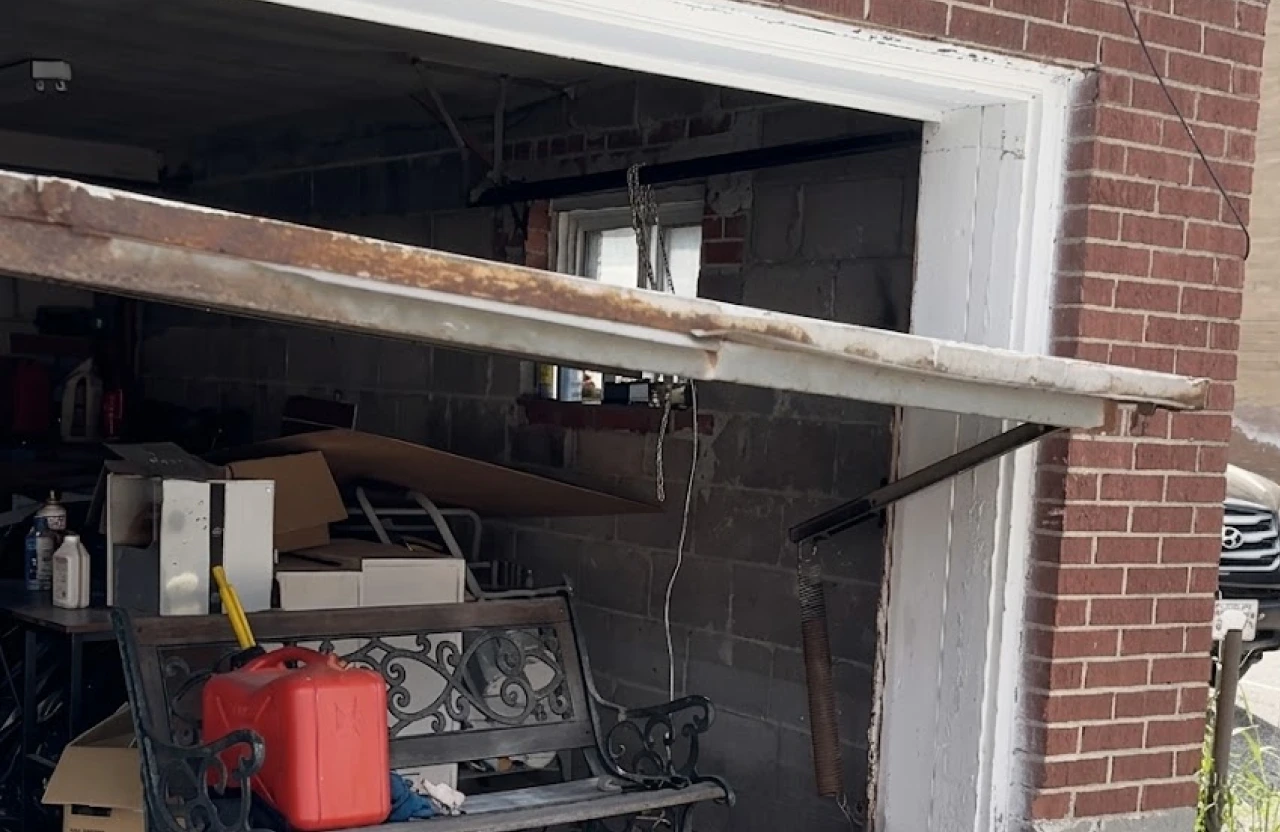
Storm damage, accidental impact, or sudden seal failure can leave your garage and home exposed to weather, pests, and moisture at any hour. Emergency garage door service is available 24/7 across the GTA. We can secure the door, replace damaged seals, and assess any related structural damage in a single response visit.
A Well-Sealed Garage Door Is a More Efficient One
Seal quality affects more than pest control. A properly sealed garage door reduces air infiltration that drives heating and cooling costs in attached garages, reduces noise transmission from the exterior, and extends the life of interior hardware by limiting moisture exposure. Legacy Garage Doors treats seal inspection as a standard part of every maintenance visit because the downstream benefits extend well beyond keeping insects outside. Call today for a free estimate or book your seal inspection online.
Frequently Asked Questions
1. How often should garage door seals be inspected?
Annual inspection is the recommended baseline, ideally in spring before the summer insect season or in fall before winter cold creates the most significant draft and moisture risk. High-UV or high-traffic environments may warrant biannual inspection.
2. Can I use any type of weatherstripping on my garage door?
No. Seal profiles must match the retainer channel type, the door brand, and the floor condition at the threshold. Using a mismatched profile leads to poor compression, early failure, and continued pest entry. We specify the correct seal type for each door during every service visit.
3. Why do ants keep coming back even after I replaced the seal?
Ant trails that persist after seal replacement usually indicate a secondary entry point in the wall, foundation, or ceiling of the garage rather than the door itself. We inspect the full garage perimeter when pest intrusion continues after a seal service to identify the actual source.
4. Does a damaged bottom seal affect my garage door opener?
Indirectly, yes. A bottom seal that drags excessively on the floor or catches at one side creates additional resistance that the opener motor must overcome on every cycle. Over time, this increases motor wear and can contribute to early opener failure. Seal replacement that restores smooth door travel reduces this stress.
5. Can garage door seals be replaced without removing the door?
Bottom seals in T-slot retainer systems can typically be replaced in place without door removal. Side and top weatherstripping replacement also does not require door removal. Full retainer channel replacement may require the door to be partially raised. We confirm the specific procedure during the service visit.
6. Are there seal options rated for extreme Toronto winter temperatures?
Yes. Low-temperature flexible vinyl and EPDM rubber seals remain pliable at temperatures well below -20 degrees Celsius, which is important for GTA properties. Standard PVC seals can become rigid and crack in sustained cold, losing their compression seal. We specify cold-rated materials for all GTA installations.
7. Will a new seal help with noise from outside as well as drafts?
Yes. A properly sealing door reduces both air infiltration and sound transmission through the door perimeter. The improvement is most noticeable for traffic noise, wind, and neighbourhood ambient sound that previously entered through gap areas around the door frame.
Book Your Garage Door Seal Inspection Today
A worn seal is a small problem with a long list of consequences. Legacy Garage Doors replaces and inspects garage door seals across Toronto and the GTA with same-day availability and transparent pricing. Book online for your free estimate.
Key Takeaways
- Bottom seals, side weatherstripping, and top weatherstripping each address specific gaps in the door perimeter
- Visible light, water marks, insect trails, and drafts are the clearest indicators that seal replacement is overdue
- Cold-rated EPDM and low-temperature vinyl materials are the correct specification for Toronto’s climate
- Persistent pest intrusion after seal replacement usually indicates a secondary entry point elsewhere in the garage perimeter
- Legacy Garage Doors provides same-day seal replacement and 24/7 emergency service across the GTA