

Rating a garage door means comparing R-value for insulation, wind load for structural strength, and cycle rating for hardware longevity, giving homeowners a way to evaluate doors on real performance rather than price or appearance.
What Does It Mean to Rate a Garage Door?
Rating a garage door means comparing it against a handful of measurable standards rather than judging it on appearance or price alone. The three ratings that matter most to homeowners are the R-value for insulation, the wind load or PSF rating for structural strength, and the cycle rating for how many times the springs and hardware are built to open and close before wearing out.
Most residential garage doors list these ratings on a manufacturer spec sheet or an interior label, which makes it possible to compare two doors from different brands using the same numbers instead of marketing language alone.
How Does R-Value Rate a Garage Door’s Insulation?
R-value measures a garage door’s resistance to heat flow, with a higher number indicating better insulation performance. Manufacturers calculate this figure per DASMA testing standards, and it is worth noting that the published R-value reflects the door panel itself and does not fully account for air leakage around the perimeter seals.
Homeowners evaluating insulation performance for a GTA winter can consult the insulation guide before comparing models. A door rated with an R-value between 12 and 18 generally performs well for an attached or heated garage, while an uninsulated single-layer steel door typically rates below R-2 and is better suited to a detached, unheated structure.
How Does Wind Load Rate a Garage Door’s Strength?
Wind load rating measures how much pressure, expressed in pounds per square foot, a garage door can withstand before buckling, expressed as both a positive value for wind pushing inward and a negative value for wind pulling the door outward. A standard residential door is typically rated around 20 PSF, while wind-rated doors built for storm-prone regions can exceed 50 PSF.
Commercial garage doors in exposed locations, including loading docks and waterfront properties, often specify a higher wind load rating than a standard residential door because of the larger surface area and greater exposure to gusts.
What Is a Cycle Rating and Why Does It Matter?
Cycle rating measures how many open and close cycles a garage door’s springs and hardware are engineered to handle before needing replacement, with residential torsion springs commonly rated between 10,000 and 25,000 cycles. A door used daily will reach a 10,000-cycle spring’s limit far sooner than a door used only occasionally.
High-cycle commercial applications, such as loading bays and workshops, often benefit from scheduled commercial maintenance programs that track spring and hardware wear before it becomes an emergency rather than routine service.
How Do Material and Gauge Affect a Garage Door’s Rating?
Steel garage doors are measured by gauge, with a lower gauge number indicating thicker, more dent-resistant steel, commonly ranging from 24-gauge on entry-level doors to 27-gauge or heavier on premium models. Aluminum doors trade some of this dent resistance for lighter weight and better rust resistance, which affects long-term performance more than the initial rating alone.
Comparing gauge and material alongside R-value and wind load gives a fuller picture of how a door will perform over time, since a well-insulated door built from thin, easily dented steel may still underperform a slightly less insulated door built with heavier gauge steel.
How Do You Compare Ratings Between Brands?
Comparing garage door ratings between brands means lining up R-value, wind load, cycle rating, and steel gauge side by side rather than relying on a single number or marketing claim.
Step One: Request the manufacturer spec sheet for each door being compared, since these ratings are not always listed on a showroom sample.
Step Two: Match the wind load rating to the local building code requirement for the property’s location before comparing anything else.
Step Three: Weigh R-value against how the garage is used, since an unheated storage garage does not need the same insulation as an attached, heated space.
Step Four: [object Object],[object Object],[object Object]
Homeowners deciding between upgrading existing hardware and a full door replacement can use the same rating comparison to weigh whether a new door outperforms the current one across all four categories.
Garage Door Ratings Compared
|
Rating |
What It Measures |
Why It Matters |
|
R-Value |
Resistance to heat flow through the panel |
Comfort and energy use in heated or attached garages |
|
Wind Load (PSF) |
Pressure the door withstands before buckling |
Structural safety in high-wind or storm-prone areas |
|
Cycle Rating |
Number of open and close cycles before hardware wears out |
Longevity for doors used multiple times daily |
|
Steel Gauge |
Thickness of the steel panel |
Dent resistance and long-term durability |
Using Ratings to Choose the Right Door, Not Just the Cheapest One
Rating a garage door properly means looking past the price tag and comparing R-value, wind load, cycle rating, and gauge against how the door will actually be used. A door that rates well on paper but does not match the climate, usage frequency, or local wind code ends up costing more in repairs and energy loss over time.
Mississauga properties near open exposure benefit from checking wind load ratings closely, since local wind conditions affect which rating matters most for that location.
Oakville homeowners near the lake should also weigh hardware corrosion resistance alongside R-value, since humidity and salt air shorten the service life of unprotected hardware faster than inland properties experience.
Frequently Asked Questions
1. What is a good R-value for a garage door?
A garage door with an R-value between 12 and 18 generally performs well for an attached or heated garage in an Ontario climate, while unheated, detached garages can use a lower-rated or uninsulated door without much practical difference. Higher R-values typically come from a thicker polyurethane foam core between the steel skins.
2. What wind load rating do most garage doors need?
Most inland properties only need a standard wind load rating of around 20 pounds per square foot, while homes in storm-prone or high-exposure areas may require a higher rating specified by local building code. Checking the required rating with a local building department before ordering avoids buying a door that does not meet code.
3. What is a typical cycle rating for a residential garage door spring?
Residential garage door torsion springs are commonly rated between 10,000 and 25,000 cycles, with one cycle counting as one full open and close. A door used several times daily reaches a 10,000-cycle spring’s limit years sooner than a door used only occasionally, which affects how often springs need replacement.
4. Does a higher rated garage door always cost more?
Garage doors with higher R-value, wind load, or cycle ratings typically cost more than entry-level models, since better insulation, thicker steel, and heavier-duty springs all add to manufacturing cost. The right rating depends on how the garage is used rather than simply choosing the highest number available.
5. Where can I find the rating information for my current garage door?
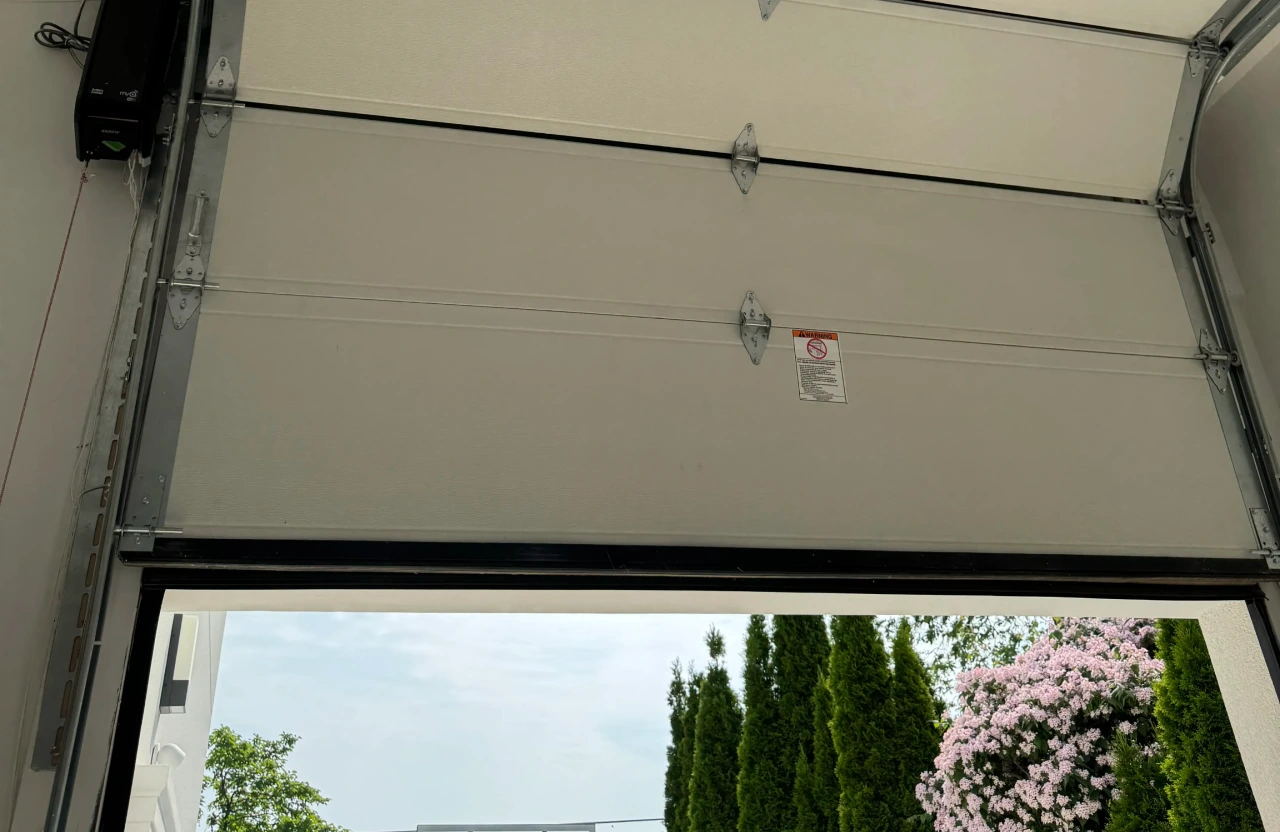
Most garage doors have a label on the interior panel or bottom bracket listing wind load, and manufacturer spec sheets typically list R-value, cycle rating, and steel gauge by model number. If the label is missing or unreadable, a technician can usually identify the model and pull the specifications from the manufacturer.
6. Do commercial garage doors use the same ratings as residential doors?
Commercial garage doors are measured using the same R-value, wind load, and cycle rating categories as residential doors, but commercial specifications typically call for higher cycle ratings and, in exposed locations, higher wind load ratings to match heavier daily use and greater structural exposure.
Compare Ratings With Legacy Garage Doors
Homeowners across the GTA can reach our service team to compare R-value, wind load, and cycle ratings across specific door models before making a decision.
Key Takeaways
- Rating a garage door means comparing R-value, wind load, cycle rating, and steel gauge rather than judging by price or appearance alone.
- An R-value between 12 and 18 generally suits an attached or heated garage in an Ontario climate.
- Standard wind load ratings run around 20 PSF, with higher ratings required in storm-prone or high-exposure locations.
- Residential torsion springs are commonly cycle-rated between 10,000 and 25,000 open and close cycles.
- Steel gauge affects dent resistance, with lower gauge numbers indicating thicker, more durable panels.
- Commercial garage doors typically need higher cycle and wind load ratings than residential doors due to heavier daily use.