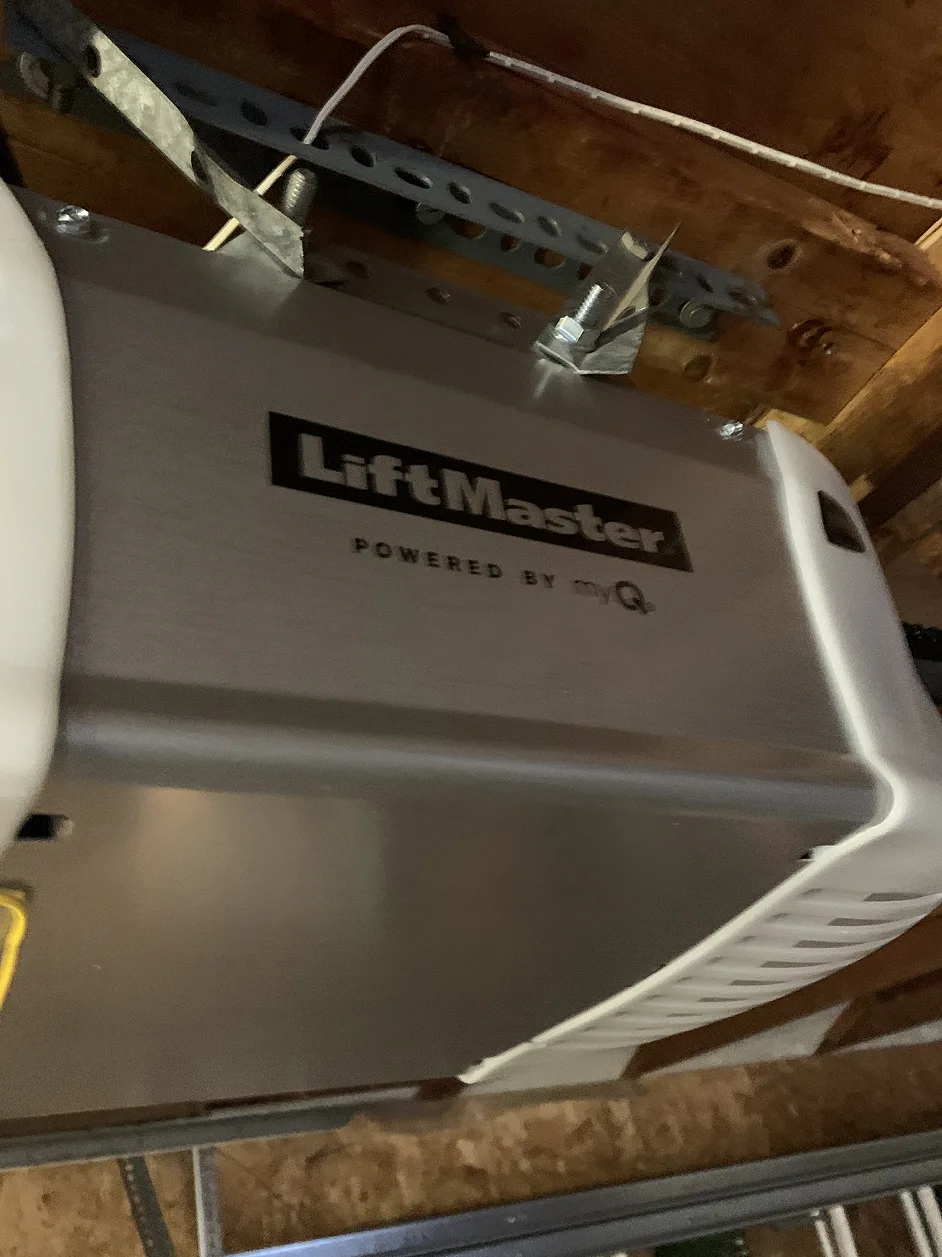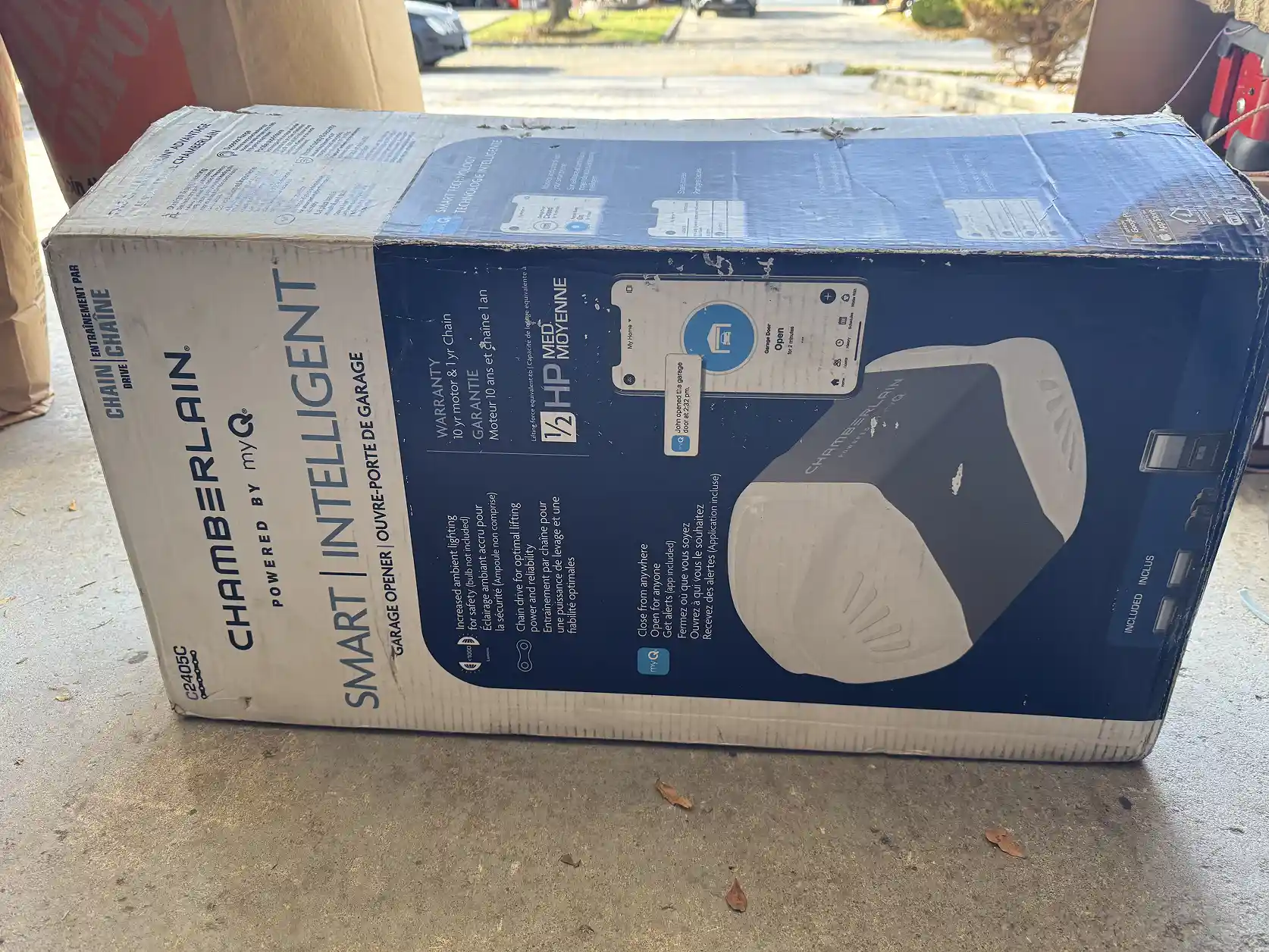

A garage door opener motor typically lasts 10 to 15 years before wear affects performance and safety. Slower operation, rising repair frequency, and missing modern safety features are the clearest signals that garage door motor installation makes more sense than another repair visit. This guide covers the specific signs to watch for and how to weigh replacement against ongoing repairs.
How Long Does a Garage Door Opener Motor Typically Last?
A garage door opener motor typically lasts 10 to 15 years with regular use and basic maintenance, though heavier daily use can shorten that range. Doors that double as a household’s main entry point tend to wear their opener motor faster than a garage used only for occasional vehicle access.
Age alone is not the only factor, since motor type, drive system, and how consistently the unit has been maintained all affect how long it lasts in practice. An opener approaching or past the 10 to 15 year mark is worth evaluating even if it still appears to work normally.
What Are the Warning Signs Your Opener Motor Is Wearing Out?
A motor that runs noticeably slower than it used to, or that strains audibly while lifting the door, is one of the clearest signs of age-related wear. Grinding, screeching, or scraping noises that were not there before often point to worn bearings or gears inside the motor housing rather than a simple lubrication issue.
Visible shaking or vibration during operation, along with inconsistent response from the remote or wall control, are additional signs that the motor and its electronics are nearing the end of their service life. Any of these signs on their own is worth monitoring, and two or more appearing together makes a stronger case for replacement.
How Do You Know When Repeated Repairs Mean It’s Time to Replace?
A pattern of repeated service calls within a single year, rather than one isolated issue, usually signals that an opener motor is reaching the end of its useful life. One repair on an otherwise reliable unit is normal upkeep, but several in close succession points to a motor that is failing on multiple fronts at once.
Comparing the cost of another repair against the price of a new unit is a useful gut check once repairs start becoming frequent. For a closer look at diagnosing a specific malfunction before deciding, our opener troubleshooting guide walks through common issues and their fixes in more detail.
Why Do Older Opener Motors Lack Modern Safety Features?
Older opener motors often lack rolling-code remote technology, which changes the transmission code with every use and closes off a copying method that fixed-code remotes leave open. Auto-reverse sensors on older units can also be less reliable than current standards require, which matters for anyone in the path of a closing door.
Manufacturers also stop producing replacement parts for older opener models over time, which makes a failed component on an aging unit harder and more expensive to source. This parts availability issue is a practical reason age alone can justify replacement even when the motor is still technically running.
Is It Cheaper to Repair or Replace an Aging Opener Motor?
A single, isolated repair on an opener motor under 10 years old is usually the more economical choice, since a working unit with one fixable issue has plenty of service life left. Once an opener has passed 10 to 15 years and needs a second or third repair within a short span, the cumulative repair cost often approaches what a new unit would cost to install.
A new motor also brings modern safety features and quieter operation as part of the same cost, which a repair on an old unit cannot add. Our installation services include an honest assessment of whether a repair or a full motor replacement is the better value for a specific opener’s age and condition.
What Should You Do If Your Opener Motor Is Failing?
If an opener motor is showing multiple signs of wear, the safest first step is to have a technician inspect the unit rather than continuing to use a door with unpredictable auto-reverse behaviour. A motor that fails to reverse when it meets an obstruction is a safety issue that should be addressed immediately, not monitored over time.
A technician from our residential garage doors team can confirm whether the motor, the sensors, or another component is the actual source of the problem before recommending repair or replacement.
Deciding When to Replace Your Opener Motor
Slower operation, new noises, inconsistent remote response, and a rising pattern of repairs are the clearest signs a garage door opener motor is nearing the end of its service life. Weighing these signs against the unit’s age and the cost of continued repairs is the most practical way to decide between another fix and a full replacement. Legacy Garage Doors assesses the motor, the drive system, and the door itself before recommending either path.
Noticing signs your opener motor is struggling? Contact our team at Legacy Garage Doors for an honest repair or replacement assessment.
Frequently Asked Questions
1. How long does a garage door opener motor usually last?
A garage door opener motor typically lasts 10 to 15 years with regular use and basic maintenance. Heavier daily use, such as a garage that serves as a home’s main entry point, can shorten that range.
2. What noises indicate a garage door opener motor is failing?
Grinding, screeching, or scraping noises that were not present before usually point to worn bearings or gears inside the motor rather than a simple lubrication fix. These noises are a stronger warning sign than typical operating sounds and are worth having inspected. If your opener has started making unfamiliar sounds, request a quote and our technicians will diagnose the issue promptly.
3. How many repairs before I should consider replacing the opener motor?
A second or third repair within a single year is a reasonable point to start comparing repair cost against the price of a new unit. One isolated repair on an otherwise reliable motor is normal upkeep and does not necessarily signal a need for replacement. Our Legacy Garage FAQ page covers more guidance on when repair versus replacement makes the most financial sense.
4. Do older opener motors lack important safety features?
Yes, older opener motors often use fixed-code remotes rather than rolling-code technology and may have less reliable auto-reverse sensors than current units. These gaps are a safety consideration, not just a convenience one.
5. Can I replace just the motor without replacing the whole opener system?
In most cases, the motor is the core unit of the opener system, so replacing it typically means replacing the full opener rather than a single internal part. A technician can confirm whether a specific issue is isolated to a replaceable component or requires a full unit replacement.
6. Is a failing opener motor a safety risk?
Yes, a motor that fails to reverse when it meets an obstruction, or that operates unpredictably, is a safety risk and should be addressed immediately rather than monitored. This is one of the clearest situations where replacement should not be delayed. Contact our installation team right away if your opener is behaving erratically and we will prioritize your service call.
Replace Your Garage Door Opener Motor in Toronto
A failing garage door opener motor can affect your door’s safety, reliability, and daily convenience. Legacy Garage Doors helps Toronto and GTA homeowners identify when repairs are no longer practical and provides professional garage door motor installation with the right system for your home. Contact our team today for an assessment and a written quote for your opener motor replacement needs.
Key Takeaways
- Most garage door opener motors last 10 to 15 years before age-related wear becomes noticeable.
- Slower operation, new noises, and vibration are common signs a motor is nearing the end of its life.
- A pattern of repeated repairs within a short span often signals it is time to replace rather than repair again.
- Older opener motors frequently lack rolling-code security and current auto-reverse reliability standards.
- Comparing cumulative repair cost against a new unit’s price is a practical way to decide between repair and replacement.
- A motor with unpredictable auto-reverse behaviour is a safety issue that should be addressed immediately.