
Choosing the right overhead garage door opener comes down to five decisions: drive type, motor power, noise tolerance, smart home compatibility, and ceiling clearance. This guide walks through each factor so GTA homeowners can select the right unit for their specific door, garage layout, and budget.
What Is an Overhead Garage Door Opener?
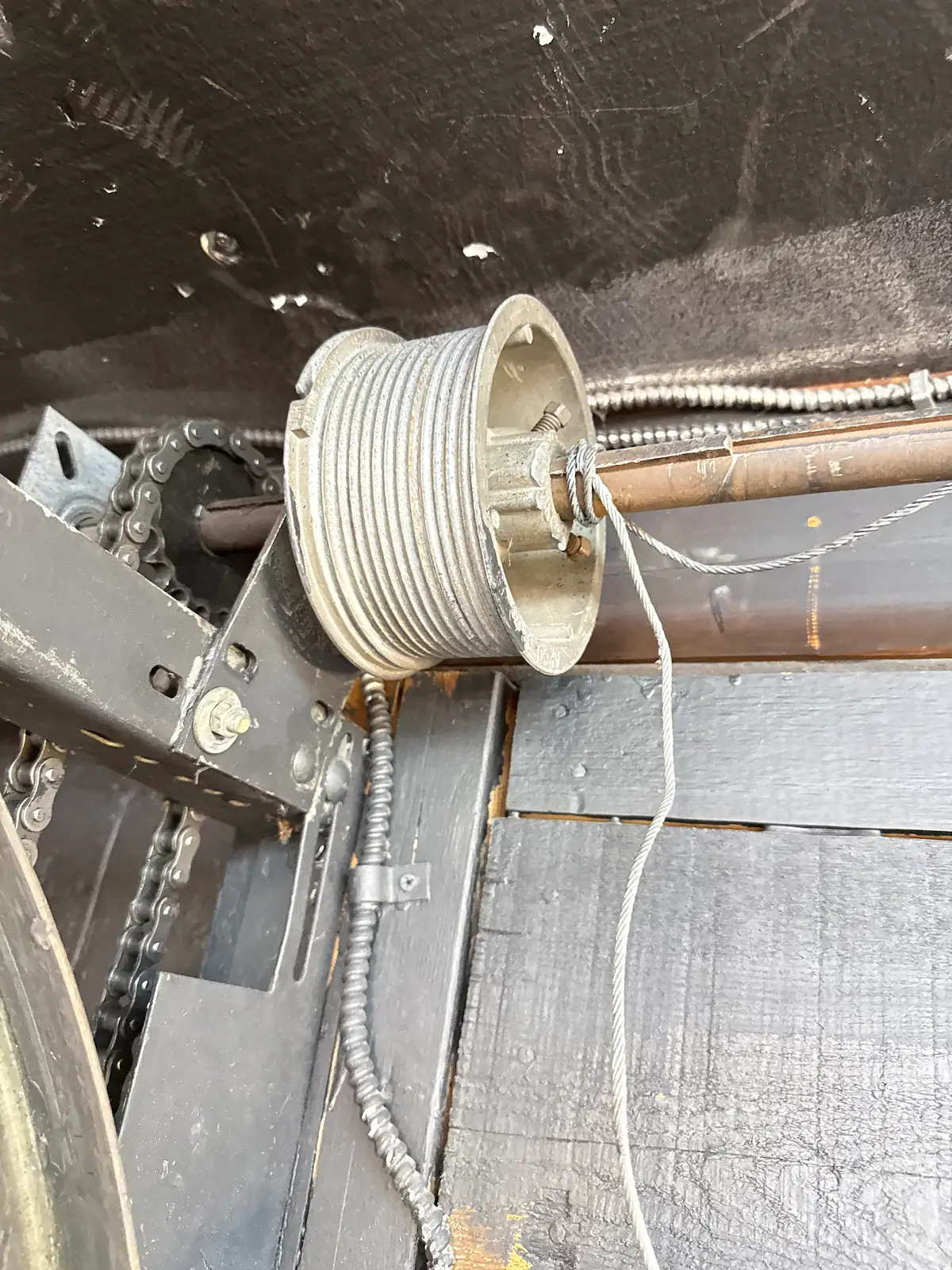
An overhead garage door opener is a motorised drive system that automates the raising and lowering of a sectional or one-piece garage door. The opener mounts to the ceiling of the garage on a rail, connects to the door via a trolley arm, and is activated by a wall button, remote control, or smartphone app. The motor drives the door along the track while the spring system handles the counterbalancing load.
The opener does not lift the door by itself. The torsion or extension spring system does the mechanical lifting work, and the opener controls and automates that movement. Choosing the wrong opener for a door’s weight, width, or ceiling configuration results in premature motor wear, unreliable operation, and shortened service life. Legacy Garage Doors helps GTA homeowners match the correct opener to their specific door through the opener replacement service.
What Drive Types Are Available for Overhead Garage Door Openers?
Four drive types are available for overhead garage door openers in the Canadian residential market: chain drive, belt drive, direct drive, and screw drive. Each has distinct noise, cost, maintenance, and performance characteristics.
Chain Drive
A chain drive opener uses a metal chain to move the trolley along the rail. Chain drives are the most widely installed type because they are durable, handle heavy doors reliably, and are the least expensive to purchase and service. The trade-off is noise: chain drives produce a mechanical rattling sound audible throughout an attached home, making them less suitable for garages adjacent to bedrooms or living areas.
Belt Drive
A belt drive opener replaces the metal chain with a reinforced rubber belt, eliminating most of the mechanical noise. Belt drives run significantly quieter than chain drives and are the recommended choice for attached garages in GTA homes where noise transmission to the living space is a concern. A detailed comparison of belt versus chain drive systems covers the performance and cost differences in full.
Direct Drive
A direct drive opener has a single moving part: the motor travels along the stationary rail, eliminating the trolley assembly entirely. This results in very low noise and minimal vibration. Direct drive systems are well suited to high-frequency users such as commercial properties or households that operate the door more than eight times per day.
Screw Drive
A screw drive opener uses a threaded steel rod to move the trolley. Screw drives require less maintenance than chain systems and operate in a moderate noise range between chain and belt. They are less common in the Canadian market due to temperature sensitivity: the threaded mechanism can bind in extreme cold, making them a less reliable choice for Ontario winters. The National Fire Protection Association (NFPA) highlights that proper opener selection for climate conditions is a critical safety consideration for residential garage door systems.
How Do Drive Types Compare Across Key Factors?
|
Factor |
Chain Drive |
Belt Drive |
Direct Drive |
Screw Drive |
|---|---|---|---|---|
|
Noise level |
High |
Low |
Very low |
Moderate |
|
Maintenance |
Moderate |
Low |
Very low |
Low |
|
Cold weather performance |
Excellent |
Excellent |
Excellent |
Fair |
|
Heavy door suitability |
Excellent |
Good |
Good |
Good |
|
Typical cost GTA (installed) |
$300 to $600 |
$450 to $800 |
$500 to $900 |
$400 to $700 |
|
Smart home compatible |
Some models |
Yes |
Yes |
Some models |
What Motor Power Do You Need for Your Garage Door?
Overhead garage door openers are rated in horsepower. Most residential doors require between one-half and one-and-a-quarter horsepower depending on door weight and size. Undersized motors wear faster and may fail to complete full door cycles in cold weather when door friction increases.
- One-half horsepower: suitable for lightweight single-car steel doors up to 12 feet wide in good mechanical condition
- Three-quarter horsepower: the most common rating for standard single-car and mid-weight double-car doors
- One to one-and-a-quarter horsepower: recommended for heavy insulated double-car doors, wood doors, and doors wider than 16 feet
Legacy Garage Doors verifies door weight and spring balance before specifying an opener to ensure the motor rating is appropriate for the load. The U.S. Consumer Product Safety Commission (CPSC) emphasizes that properly matched opener power to door weight is essential for safe operation and preventing motor failure. Homeowners reviewing top-rated opener models across horsepower ratings can use that comparison to shortlist options before the technician visits.
Should You Choose a Smart Opener?
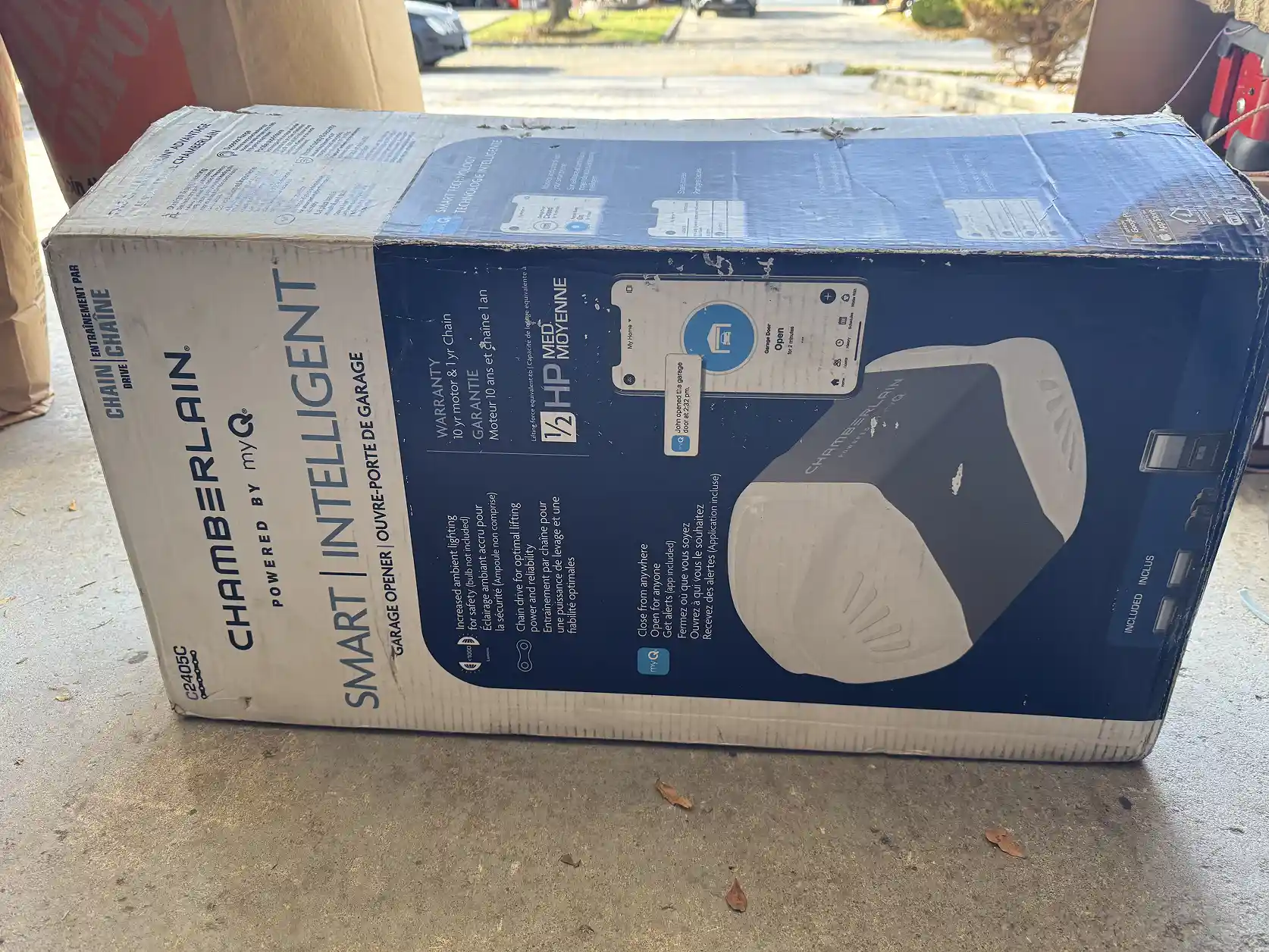
Smart overhead garage door openers connect to a home WiFi network and are controlled via a smartphone app, voice assistant, or scheduled automation. The leading smart opener platforms in the Canadian market are LiftMaster’s myQ, Chamberlain’s myQ, and Genie’s Aladdin Connect. These platforms allow real-time open and close monitoring, remote operation, and integration with Amazon Alexa, Google Home, and Apple HomeKit. Legacy Garage Doors installs and configures smart garage doors across the GTA.
Natural Resources Canada’s Energy Star certification program for garage door openers recognises models that meet standby power consumption standards. Smart openers with DC motors and battery backup typically qualify for this certification, which matters for homeowners pursuing energy efficiency upgrades or eligible for provincial incentive programs.
For households where someone frequently leaves without confirming whether the door closed, or where rental properties need remote access management, the practical value of a smart opener justifies the cost premium over a basic unit.
What Ceiling Clearance Do You Need for an Overhead Opener?
Standard overhead rail openers require a minimum of two inches of clearance above the door in its fully open position plus the depth of the opener unit itself, typically ten to twelve inches. Most standard garages in GTA residential construction provide adequate clearance for a rail-mounted opener. Garages with high ceilings, cathedral ceilings, or existing ceiling-mounted equipment may require an extension kit or a wall-mount jackshaft opener instead of a rail system.
Legacy Garage Doors assesses ceiling clearance during every opener consultation. For garages where ceiling clearance or obstruction is a confirmed problem, the smart garage door installation service includes guidance on whether a jackshaft configuration is the better solution for the specific space. The Canadian Standards Association (CSA) establishes clearance and mounting standards for overhead opener installations that Legacy Garage Doors technicians follow on every job.
Which Opener Brands Does Legacy Garage Doors Recommend?
Legacy Garage Doors works primarily with LiftMaster and Chamberlain, two brands manufactured by the same parent company and sharing the myQ smart platform. Both brands offer a full range of drive types, horsepower ratings, and smart features with strong parts availability across the GTA. A full brand comparison covering Chamberlain, LiftMaster, and Wayne Dalton is available for homeowners researching specific models.
Ready to Choose and Install Your Overhead Opener?
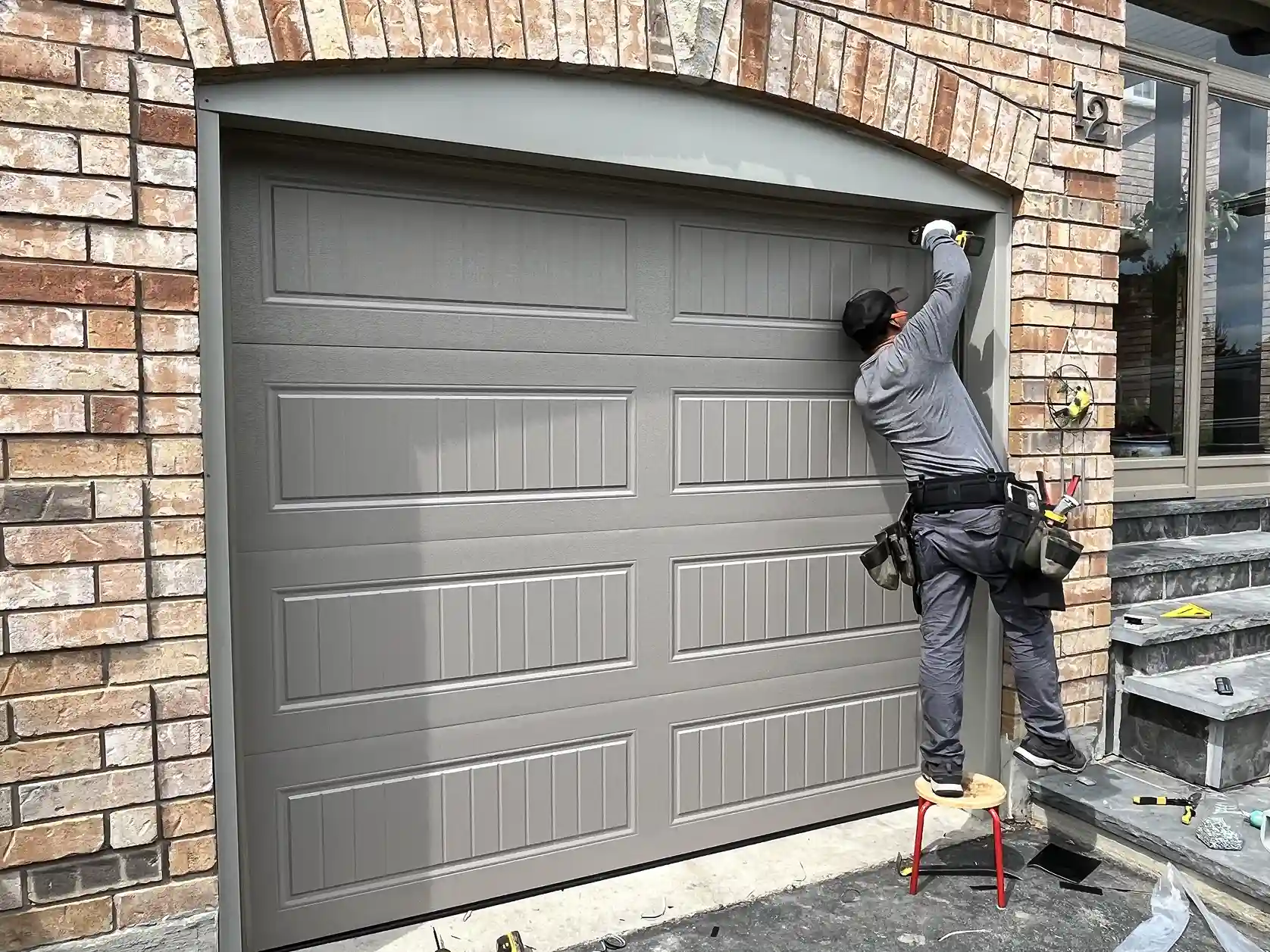
Legacy Garage Doors helps GTA homeowners select the right overhead opener based on door specifications, garage layout, noise requirements, and smart home preferences. Every installation is completed in a single visit with full programming, remote setup, and safety testing included. Contact Legacy Garage Doors to arrange an on-site assessment and receive a written quote for your opener installation.
Frequently Asked Questions
1. What is the best overhead garage door opener for a Toronto home?
The best overhead opener for most Toronto homes is a belt drive or direct drive unit with at least three-quarter horsepower and smart home connectivity. Belt drives handle the cold-weather demands of Ontario winters reliably and provide the low noise level that suits attached garages. Legacy Garage Doors can confirm the right model for your specific door during the assessment visit.
2. How much does an overhead garage door opener cost in the GTA?
Installed costs range from $300 to $600 for a basic chain drive, $450 to $800 for a belt drive, and $500 to $900 for a direct drive or smart-enabled unit. Jackshaft openers for garages with ceiling clearance issues run $600 to $1,100 installed. Legacy Garage Doors provides written quotes covering parts and labour before any work begins. The opener replacement resource covers the full pricing range by opener type.
3. How long does an overhead opener last?
A well-maintained overhead garage door opener typically lasts ten to fifteen years under average residential use. Openers on garages that open and close more than six times per day, or openers paired with doors that are out of balance or have worn springs, wear faster. Annual maintenance that includes spring balance checks and opener force adjustment extends opener service life.
4. Do I need a smart opener to use my phone to control my garage?
Yes. Standard non-smart openers can only be operated by a physical wall button or radio-frequency remote. Smartphone control requires a WiFi-enabled smart opener or a compatible add-on accessory such as the myQ Smart Garage Hub, which connects some existing non-smart LiftMaster and Chamberlain openers to the myQ app. Legacy Garage Doors configures smart garage door systems including hub-based retrofits for existing openers.
5. Can I install a garage door opener myself?
Opener installation involves working with the spring system, electrical wiring, and structural mounting points, all of which carry safety risks when handled incorrectly. Professional installation ensures the opener is correctly matched to the door weight and spring balance, which is not always straightforward without equipment. Legacy Garage Doors completes opener installations across the GTA through the installation services team, with all safety tests completed before handover.
Key Takeaways
- An overhead garage door opener automates door movement but relies on the spring system for the actual counterbalancing load.
- The four drive types are chain (loudest, least expensive), belt (quiet, mid-range cost), direct drive (very quiet, low maintenance), and screw drive (less reliable in Ontario cold).
- Most GTA residential doors require three-quarter to one horsepower; heavy insulated double-car doors need one to one-and-a-quarter horsepower.
- Smart openers from LiftMaster and Chamberlain use the myQ platform, which supports app control, real-time alerts, and voice assistant integration.
- Garages with high or cathedral ceilings, or with ceiling obstructions, may require a jackshaft wall-mount opener rather than a rail system.
- Screw drive openers are less reliable in extreme cold and are generally not recommended for Ontario climates.