
Commercial automatic doors in Toronto are motorised entry systems used in warehouses, retail facilities, office buildings, and industrial properties to control access, improve workflow, and reduce energy loss. Legacy Garage Doors supplies, installs, and services commercial automatic door systems for businesses across Toronto and the Greater Toronto Area.
What Are Commercial Automatic Doors?
Commercial automatic doors are power-operated door systems that open and close without requiring manual effort from the person using them. In a commercial or industrial context, the term covers a range of door types including automatic overhead garage doors, automatic rolling steel doors, and high-speed commercial doors, all of which are paired with an electric operator and a trigger mechanism such as a push button, access card, loop detector, or motion sensor.
In Toronto, commercial automatic doors are used across a broad range of property types. Warehouses and distribution centres use them at loading docks to control access and reduce heat loss, an area where OSHA material handling standards call for clear aisle space and safe clearances around doorways. Retail and service businesses use them at delivery bays. Office and institutional buildings use them at service entrances and parking structures.
Legacy Garage Doors installs and services commercial automatic door systems throughout Toronto and the GTA. Our commercial garage doors service covers the full range of motorised commercial door systems available in the region.
What Types of Commercial Automatic Doors Are Available in Toronto?
The right type of commercial automatic door depends on the application, the available opening dimensions, the required cycle count, and whether security or thermal performance is a priority.
|
Door Type |
How It Opens |
Best Application |
Key Consideration |
|
Automatic Overhead Sectional |
Panels fold and travel overhead on track |
Commercial garages, service bays |
Requires headroom clearance |
|
Automatic Rolling Steel |
Curtain coils into drum above opening |
Loading docks, warehouses |
Minimal headroom required |
|
High-Speed Roll Up |
Flexible curtain rises rapidly |
Food, pharma, logistics |
Very high cycle rating |
|
Automatic Sliding Door |
Panels slide horizontally |
Retail, institutional entry |
Wide clear opening |
|
Automatic Swing Door |
Panels swing on pivot or hinge |
Low-traffic commercial entry |
ADA compliance common |
For overhead and rolling door applications specifically, Legacy Garage Doors focuses on motorised overhead sectional doors and rolling steel systems for commercial and industrial clients across the GTA.
How Do Commercial Automatic Door Operators Work?
A commercial automatic door operator is the motorised drive unit that powers the door’s movement. It is paired with a control system that receives signals from the chosen trigger mechanism and translates them into open or close commands.
Trigger mechanisms used in commercial applications include push buttons mounted at a safe activation distance from the door, access control devices such as proximity card readers or keypads, vehicle detection loops embedded in the floor, and motion sensors or radar units mounted above the opening.
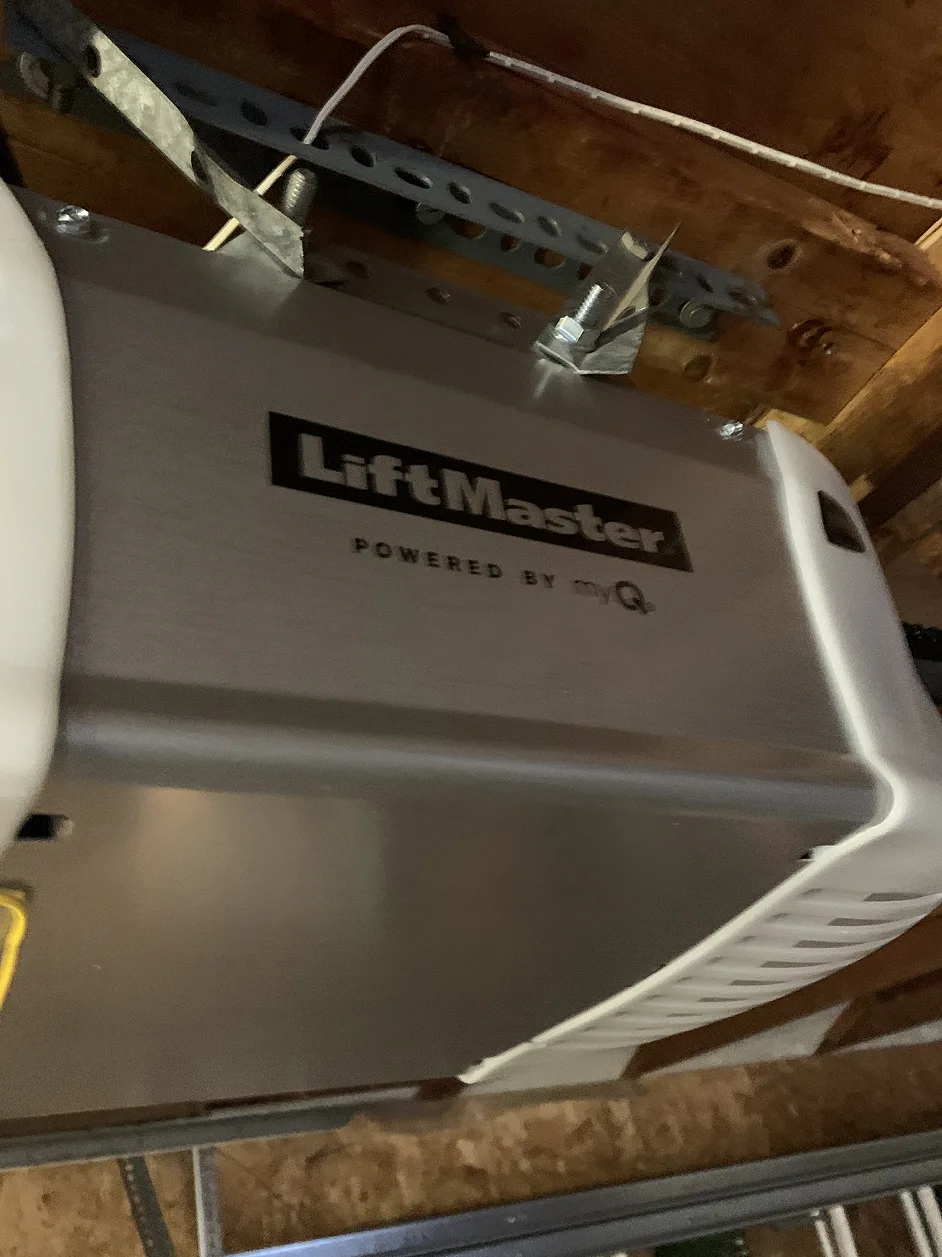
Commercial operators are rated differently from residential garage door openers. They carry higher torque ratings to handle heavier door assemblies, higher duty cycle ratings to support frequent daily operation, and more robust control boards with diagnostic capabilities that simplify fault identification during a service call.
Legacy Garage Doors supplies and installs commercial automatic operators suited to each door type and application. Our commercial overhead door operators service covers operator selection, installation, and integration with existing access control infrastructure.
What Safety Standards Apply to Commercial Automatic Doors in Ontario?
Commercial automatic doors in Ontario must comply with safety requirements under several regulatory frameworks that address entrapment protection, auto-reverse function, and equipment maintenance.
The Occupational Health and Safety Act (OHSA) requires employers to ensure that power-operated equipment, including automatic doors, is maintained in safe working condition. Auto-reverse safety mechanisms that stop and reverse the door on contact with an obstruction are required on power-operated commercial doors in workplaces subject to OHSA.
UL 325 is the North American standard for door, drapery, gate, louvre, and window operators and controls. It specifies entrapment protection requirements for commercial operators. Operators that comply with UL 325 carry the certification marking and are equipped with the required safety devices. The UL standards overview provides additional context on these requirements.
Automatic door installations in new commercial construction or major renovations are also subject to the Ontario Building Code, which governs the structural requirements for the door opening and, in fire-separated compartments, the fire rating of the door assembly.
What Are the Benefits of Automatic Doors for Toronto Businesses?
Toronto businesses that operate commercial automatic doors at loading bays, service entrances, and facility access points report several practical benefits compared to manual door systems.
- Reduced heat loss: Manual doors left open during loading operations cause significant energy loss, particularly in winter. Automatic doors that close promptly after each vehicle or pedestrian entry reduce conditioning costs in heated facilities.
- Improved workflow: Workers do not need to stop to manually open or close the door, which improves the efficiency of forklift and pedestrian traffic in high-cycle environments.
- Access control integration: Automatic operators can be paired with card readers, keypads, and intercoms to control who can access the facility and to log entry events.
- Reduced physical strain: Eliminating manual door operation reduces the physical demand on staff and the risk of strain injury from repeatedly operating heavy commercial doors.
- Remote monitoring: Modern commercial operators support connectivity features that allow facility managers to monitor door status, receive fault alerts, and operate doors remotely through a smartphone or building management system.
For businesses exploring smart access features, our blog on remote garage door monitoring covers the connectivity options available for commercial properties in the GTA.
How Should Commercial Automatic Doors Be Maintained in Toronto?
Commercial automatic doors require a structured maintenance programme to perform reliably across thousands of annual cycles. Neglecting maintenance on a high-cycle commercial door leads to premature component wear, unplanned downtime, and safety system failures.
A professional commercial door service visit covers lubrication of all moving parts, inspection and adjustment of the spring or counterbalance system, testing of the auto-reverse and entrapment protection devices, calibration of the operator limits, and inspection of the seals, curtain or panels, and hardware.
In Toronto’s climate, freeze-thaw conditions create specific maintenance pressures on seals, guides, and spring assemblies. Operators should also be tested for low-temperature performance, as control boards and battery backup systems can be affected by prolonged exposure to cold.
Our commercial door maintenance programme provides scheduled service visits for commercial and industrial clients across the GTA, structured to address both routine wear and seasonal conditions.
How Do You Choose a Commercial Automatic Door Provider in Toronto?
Selecting a provider for a commercial automatic door installation involves more than comparing product prices. The quality of the site assessment, the accuracy of the specification, and the reliability of the post-installation support all affect how well the door system performs over its service life.
A qualified provider will conduct a site visit before recommending a door type or operator. Remote quotes based on photographs or verbal descriptions do not capture the structural conditions, headroom constraints, or access control requirements that affect the installation.
Ask about experience with your specific door type and application. A company that primarily installs residential garage doors may not carry the commercial-grade product lines or have the equipment needed for a high-cycle industrial installation.
Legacy Garage Doors provides upfront quotes after a site assessment, with no hidden fees. You can read about what to expect from a professional provider in our overview of what to look for in a garage door company.
Discuss Your Commercial Automatic Door Requirements
Legacy Garage Doors works with commercial and industrial clients across Toronto, Scarborough, Markham, Vaughan, Mississauga, and the broader GTA to install and service automatic commercial door systems. Contact Legacy Garage Doors to arrange a site visit or get an upfront quote for your property.
Frequently Asked Questions
1. What is a commercial automatic door in the context of garage and overhead doors?
In the overhead door industry, a commercial automatic door is a motorised overhead, rolling steel, or high-speed door system paired with a commercial-grade operator and a trigger mechanism. These differ from residential automatic garage door openers in their torque rating, duty cycle, and safety features. Legacy Garage Doors installs commercial automatic overhead and rolling door systems through our commercial garage doors service.
2. How long does a commercial automatic door operator last?
A commercial automatic door operator in a well-maintained GTA facility typically lasts 10 to 20 years, depending on the cycle count, operating environment, and maintenance frequency. High-cycle operators used at busy loading docks will reach end of life sooner than operators on low-traffic commercial doors. Our commercial door maintenance programme extends operator life by catching wear before it becomes a failure.
3. Can a commercial automatic door be retrofitted onto an existing manual door?
Yes. Many existing manual commercial overhead and rolling doors can be motorised by adding a compatible operator without replacing the door itself. The feasibility depends on the door’s weight, condition, and structural integrity. Legacy Garage Doors assesses existing doors before recommending a retrofit or replacement. Our garage door setup overview explains what the process involves.
4. Are there Ontario regulations that require commercial automatic doors to have safety features?
Yes. Under the Ontario Occupational Health and Safety Act, power-operated equipment including commercial automatic doors must be maintained safely and equipped with appropriate entrapment protection. UL 325 sets the North American standard for operator safety devices. These requirements apply to most workplace settings in Ontario and are a factor in the equipment we specify for all commercial automatic door installations.
5. How much does a commercial automatic door installation cost in Toronto?
Commercial automatic door installation costs in Toronto vary based on door type, size, the operator selected, access control integration, and site conditions. Legacy Garage Doors provides upfront quotes after a site assessment. Factors like structural reinforcement of the opening or wiring for access control can affect the final cost. Contact our expert team to arrange an assessment and quote for your property.
6. What is the difference between a commercial automatic door and a high-speed door?
A commercial automatic door is a broad category that includes any motorised commercial door system. A high-speed door is a specific type of commercial automatic door designed to cycle much faster than standard overhead or rolling doors, often completing a full open-close cycle in under ten seconds. High-speed doors are used in facilities where rapid cycling reduces energy loss or contamination risk. Legacy Garage Doors can advise on whether a high-speed system is appropriate for your facility.
Key Takeaways
- Commercial automatic doors in Toronto include motorised overhead sectional, rolling steel, and high-speed door systems paired with commercial-grade operators and trigger mechanisms.
- Trigger mechanisms include push buttons, access card readers, vehicle detection loops, and motion sensors, all of which can be selected based on the facility’s access control requirements.
- Ontario’s Occupational Health and Safety Act requires that power-operated commercial doors be maintained safely and equipped with appropriate entrapment protection.
- Benefits include reduced energy loss, improved workflow, access control integration, and remote monitoring capability.
- Commercial automatic doors require structured professional maintenance, typically twice yearly at minimum, with seasonal attention for Toronto’s freeze-thaw conditions.
- Legacy Garage Doors installs and services commercial automatic door systems across Toronto, Scarborough, Markham, Vaughan, Mississauga, and the broader GTA.