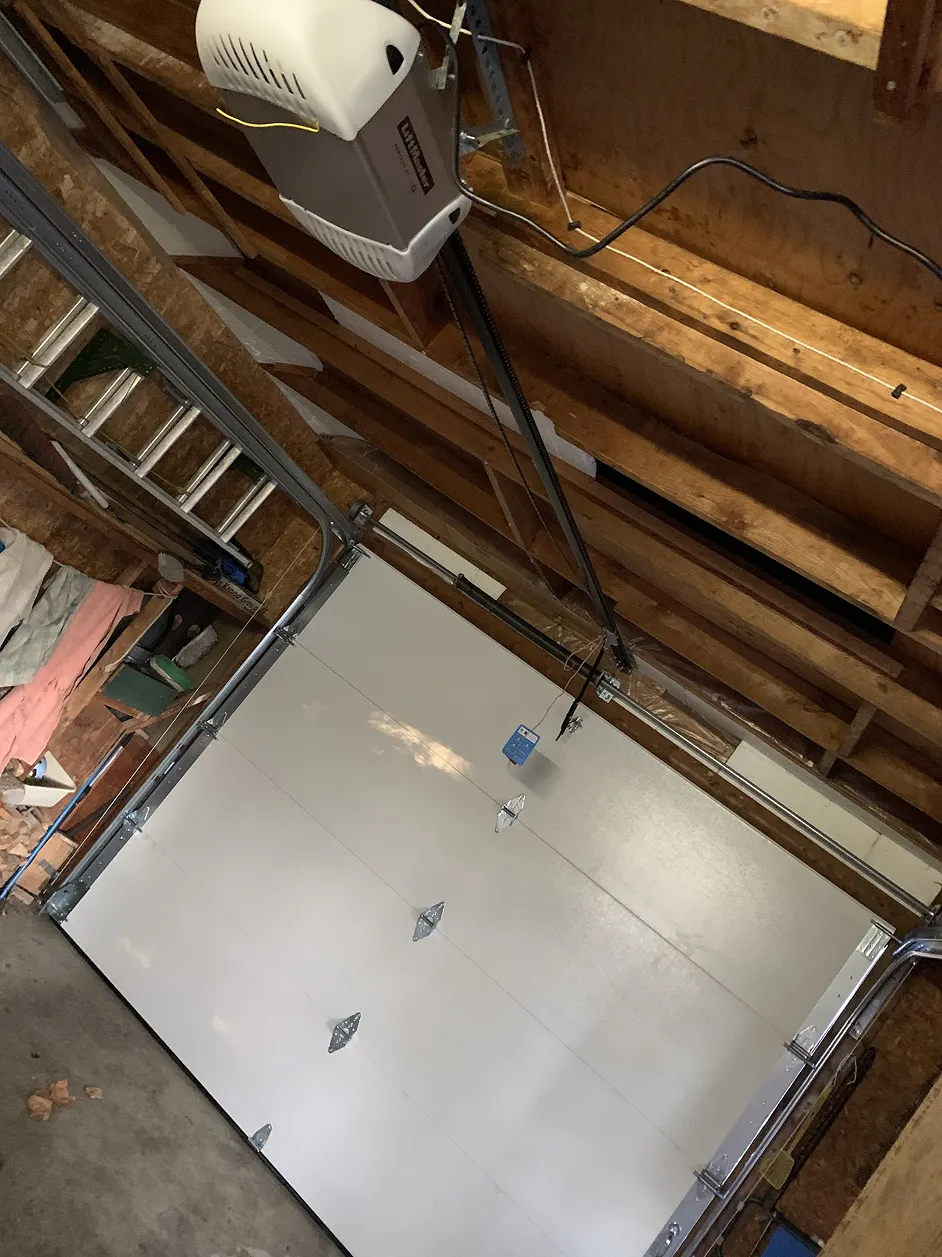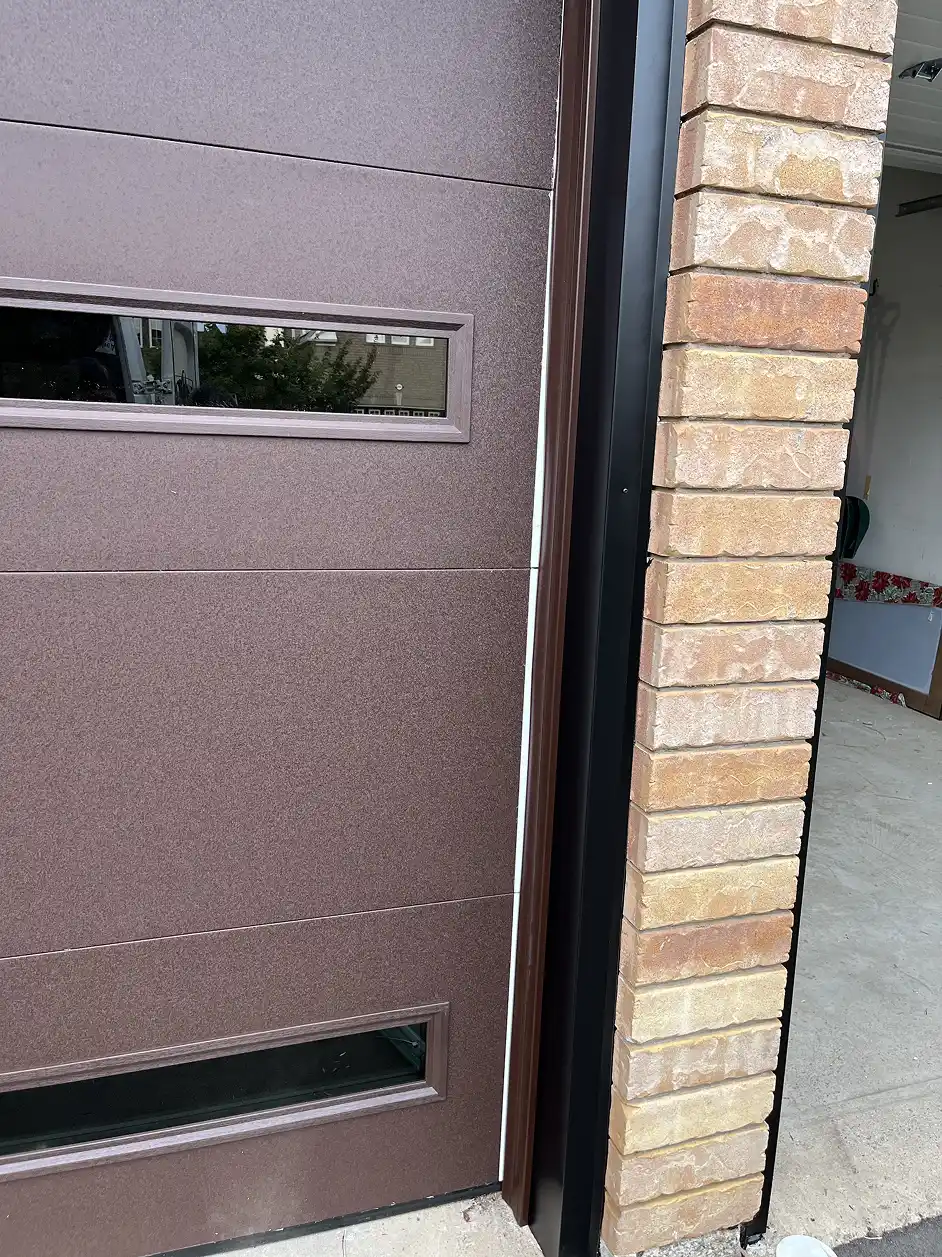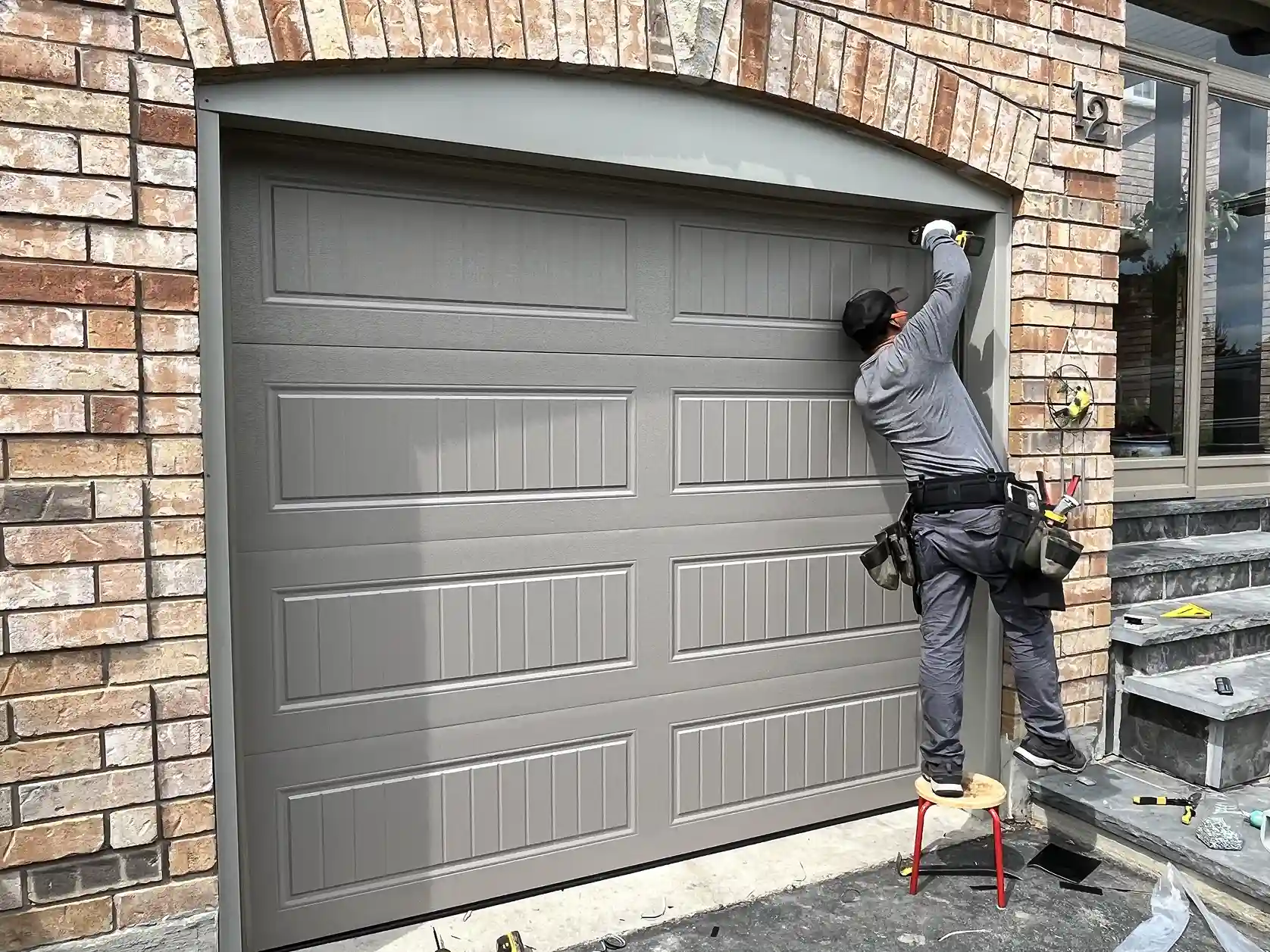

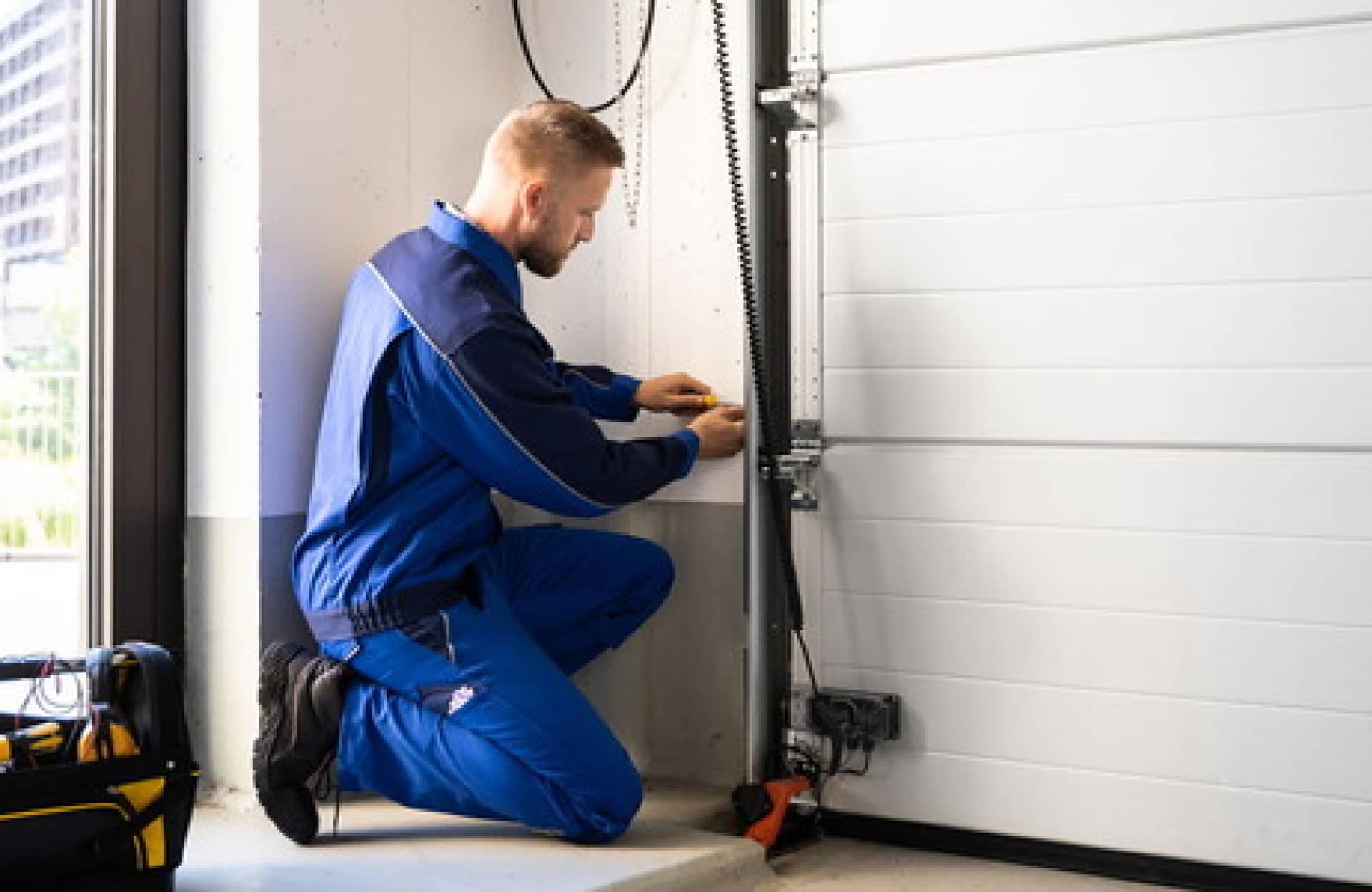
Garage door issues usually fall into a handful of categories: a door that won’t open or close, unusual noise, a door that looks crooked or off track, and hardware nearing the end of its service life. Recognizing which category a symptom falls into helps homeowners across Toronto and the GTA decide what to check themselves and what needs a professional right away.
What Are the Most Common Garage Door Issues?
The most common garage door issues include a door that won’t respond to the remote, unusual grinding or squeaking noise, a door that looks uneven or has come off its track, and springs or cables showing visible wear. Most of these symptoms point to a small number of underlying causes, which makes a methodical check faster than guessing.
Legacy Garage Doors technicians see a typical residential garage door cycle open and closed more than a thousand times a year, which is why routine wear on rollers, hinges, and springs eventually shows up as one of these common issues no matter how well the door was built.
Why Won’t My Garage Door Open or Close?
A garage door that won’t open or close is most often caused by dead remote batteries, a tripped breaker or unplugged opener, or safety sensors that are dirty, misaligned, or blocked by an object in the door’s path. Checking these three items resolves the majority of no-response calls without needing a technician.
If the door opens partway and then reverses, or will not close at all despite clear sensors, the garage opener‘s travel limits may need adjustment, or the springs may no longer be providing correct counterbalance. A door that feels unusually heavy when moved by hand is a strong sign the spring system needs professional attention.
What Causes a Noisy Garage Door?
A noisy garage door usually points to one of a few specific problems depending on the type of sound. Squeaking or creaking typically means the rollers and hinges need lubrication, while grinding often signals a misaligned track or worn gears inside the opener itself.
Rattling or banging sounds commonly trace back to loose hardware, including bolts, brackets, or a loose chain drive, and a sudden loud bang is the classic sign of a broken spring letting go under tension. Persistent noise that lubrication and tightened hardware do not resolve usually means a component needs replacement rather than adjustment.
Why Is My Garage Door Off Track or Crooked?
A garage door that looks crooked or has come off its track is usually caused by a broken cable, an unevenly worn spring, a bent track, or an obstruction the door struck while moving. A door in this condition puts uneven stress on the remaining hardware and can fall unexpectedly if operated further.
Commercial garage doors that cycle many times a day tend to show track wear sooner than residential doors, which is why commercial properties benefit from more frequent hardware inspections than a typical home garage needs.
Scheduling commercial maintenance at regular intervals catches track misalignment and worn rollers before they cause a full off-track event, which in a commercial setting can disrupt operations for an entire workday.
What Does a Broken Spring Look Like?
A broken torsion spring usually shows a visible gap in the coil mounted above the door, and the door will feel extremely heavy or refuse to lift at all once the spring fails. A loud bang at some point before the problem was noticed is a common sign the spring let go suddenly rather than wearing out gradually.
Springs store enormous tension and should never be adjusted, removed, or replaced by anyone other than a trained technician, since a slip during this work can cause serious injury. A door with a suspected broken spring should stay closed and unused until a professional inspects it.
When Should You Call a Professional Instead of DIY?
A homeowner can safely handle a short list of checks before calling a professional.
Step One: Replace remote and keypad batteries, and confirm the opener has power at the outlet or breaker.
Step Two: Clean and realign the safety sensors, checking for any obstruction along the door’s path.
Step Three: Lubricate rollers, hinges, and the chain or belt drive with a silicone-based product to address minor noise.
Step Four: Stop using the door and contact our technicians immediately if a spring looks broken, a cable is frayed or snapped, or the door is visibly off track, since these issues carry real safety risk.
Oakville homeowners near the lake often see faster hardware wear from humidity and salt air, which makes catching early noise or alignment issues before they become a full breakdown especially worthwhile.
Garage Door Issues at a Glance
|
Symptom |
Likely Cause |
DIY or Professional |
|
Won’t open or close |
Dead batteries, blocked sensors, power issue |
Check yourself first, call a professional if unresolved |
|
Grinding or squeaking |
Dry rollers, loose hardware, misaligned track |
Lubrication is DIY, track or gear issues need a professional |
|
Door feels heavy or slams shut |
Broken or weakened spring |
Professional only, high safety risk |
|
Off track or crooked |
Worn rollers, damaged cable, obstruction |
Professional only |
|
Opens then reverses |
Sensor misalignment or incorrect limit settings |
Sensor check is DIY, settings need a professional |
Catching Garage Door Issues Before They Become Emergencies
Most garage door issues give some warning before they turn into a full breakdown, whether through unusual noise, slower movement, or a door that feels heavier than usual. Addressing these early signs with basic maintenance or a professional inspection typically costs far less than an emergency repair after a spring or cable fails completely.
Mississauga properties dealing with recurring noise or alignment problems on an older door should weigh the ongoing cost of repairs before deciding on next steps.
A door nearing the end of its service life often costs more to keep patching than to replace, which is why comparing repair costs against a full door replacement is worth doing before committing to another round of fixes.
Frequently Asked Questions
1. Why won’t my garage door open with the remote?
A garage door that won’t open with the remote is usually caused by dead remote batteries, a power issue with the opener, or the remote losing its programmed pairing with the receiver. Checking the batteries and confirming the opener has power resolves most of these cases without needing a technician.
2. Why is my garage door making a loud grinding noise?
A loud grinding noise from a garage door typically points to a misaligned track or worn gears inside the opener, both of which get worse if left unaddressed. Lubricating the rollers and hinges can rule out simple dryness before assuming a more serious mechanical issue is the cause.
3. How do I know if my garage door spring is broken?
A broken garage door spring usually shows a visible gap in the coil above the door, and the door becomes extremely heavy or will not lift at all. A sudden loud bang noticed earlier is often the moment the spring let go, and the door should not be used again until a professional inspects it.
4. Why does my garage door reverse right after it starts closing?
A garage door that reverses immediately after closing typically means the safety sensors are dirty, misaligned, or blocked by an object in the door’s path. Cleaning the sensor lenses and clearing any obstruction usually resolves this without further adjustment.
5. Is it safe to fix a garage door myself?
Basic garage door maintenance like lubricating rollers, tightening visible hardware, and cleaning safety sensors is safe for most homeowners to handle. Spring replacement, cable repair, and track realignment involve high-tension components and should always be left to a trained technician to avoid serious injury.
6. How often should a garage door be inspected to prevent issues?
Most residential garage doors benefit from a professional inspection once a year, with more frequent checks for doors used multiple times daily or exposed to harsh weather. Regular inspection catches worn rollers, weakening springs, and hardware corrosion before they cause a breakdown.
Get Your Garage Door Issue Diagnosed
If your garage door is making noise, running unevenly, or refusing to open, our service team can diagnose the issue and recommend a repair or replacement. Reach out today to schedule a visit anywhere in Toronto or the GTA.
Key Takeaways
- Most garage door issues fall into a few categories: a door that won’t open or close, unusual noise, misalignment, or worn hardware.
- Dead batteries, power issues, and blocked safety sensors are the most common reasons a garage door won’t respond.
- Grinding, squeaking, and rattling noises each point to a different likely cause, from dry rollers to loose hardware.
- A visible gap in a torsion spring and a door that feels unusually heavy both signal a broken spring that needs professional repair.
- A door that is off track, has a broken cable, or shows a broken spring should stay unused until a professional inspects it.
- Annual professional inspection catches most garage door issues before they turn into an emergency repair.