

Every garage door is a system of interdependent hardware components. When one part wears out or fails, the effects spread through the rest of the system. Legacy Garage Doors helps Toronto and GTA homeowners understand their hardware options, select the right components for their door and climate, and replace worn parts before they cause larger failures.
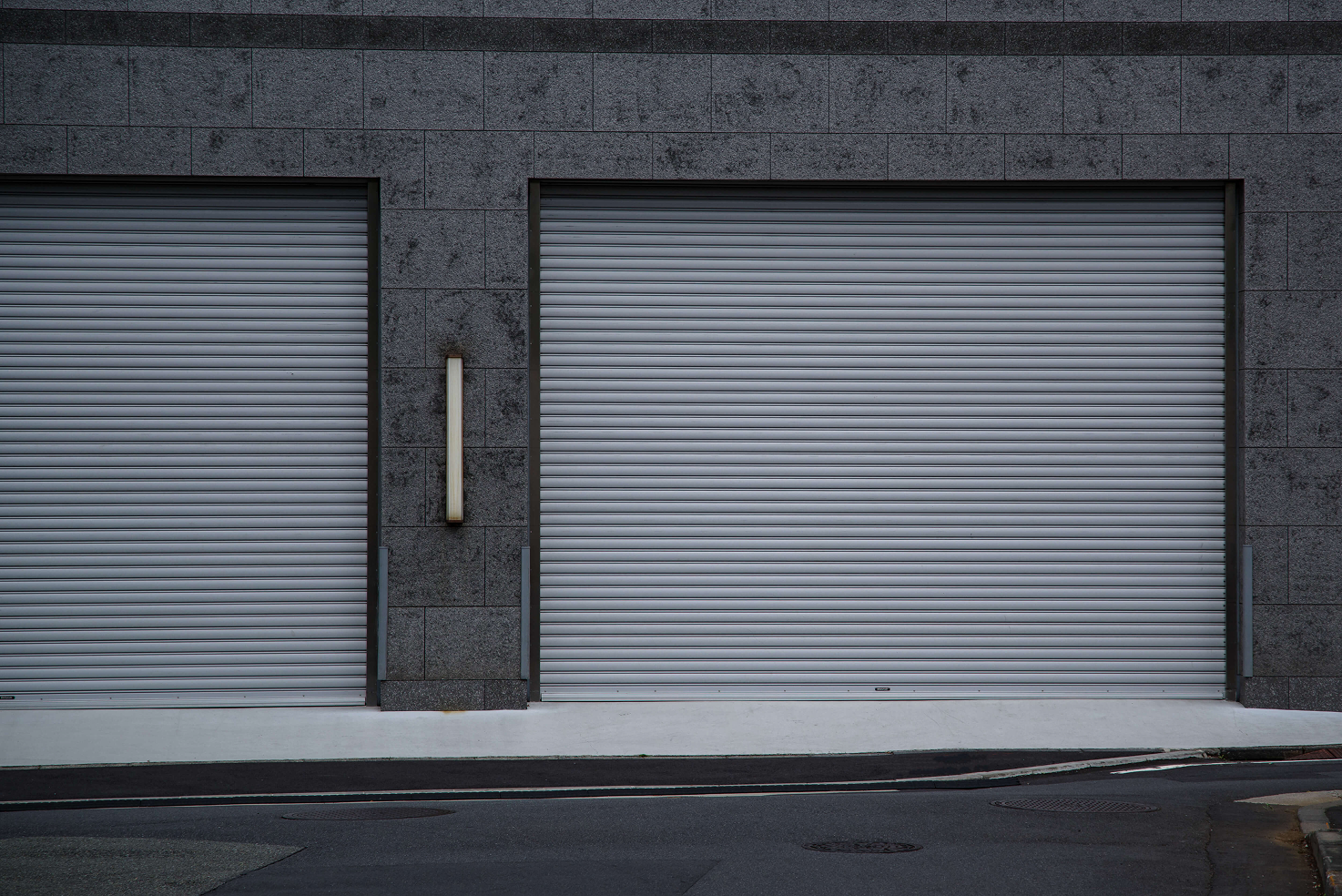
Most homeowners think about a garage door as a single object. In practice, it is an assembly of seven to twelve distinct hardware components, each with its own service life, failure mode, and replacement specification. The quality and condition of those components determines how reliably the door operates, how long it lasts, and how safe it is to use.
Legacy Garage Doors helps GTA homeowners make hardware decisions with accurate information. Hardware quality determines maintenance cost over time. A torsion spring rated for 10,000 cycles will fail significantly sooner than one rated for 25,000 cycles. A galvanized cable outlasts an uncoated one by years in Toronto’s freeze-thaw environment. Choosing the right hardware at installation and replacing worn components before they fail completely is the most cost-effective approach to door ownership.







If your door is already showing signs of hardware wear, our repair team can inspect the full system and tell you which components need attention before a failure occurs.
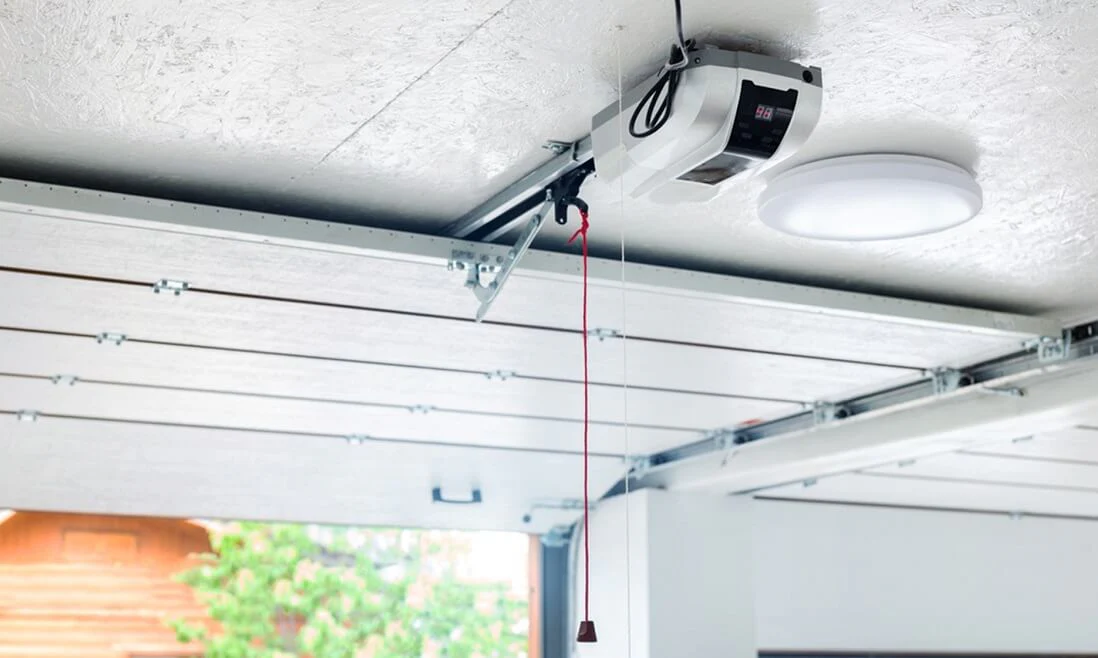
Torsion springs are the most mechanically critical component in any garage door system. They are mounted horizontally above the door opening and store the mechanical energy that counterbalances the door’s weight on every open and close cycle. When they work correctly, they make a heavy door feel light. When they fail, the door becomes inoperable.
Hardware options for torsion springs vary by wire diameter, spring diameter, length, and cycle rating. A standard residential spring is typically rated for 10,000 cycles. High-cycle springs are available at 25,000 or 50,000 cycle ratings and are worth specifying on any door that is used frequently. Springs must be correctly sized to the door’s weight and height. An incorrectly specified spring creates imbalance, accelerates cable and roller wear, and shortens opener motor life.
In Toronto’s climate, spring lubrication matters. Cold temperatures cause grease to thicken and spring coils to contract, increasing tension and accelerating metal fatigue. Proper spring lubrication as part of seasonal maintenance extends spring life meaningfully.
Extension springs are used on lighter residential doors, typically up-and-over and tilt-up styles. They run along the horizontal tracks on each side of the door and stretch under tension as the door closes. They require safety cables threaded through their centre to contain them if they break. If your door uses extension springs without safety cables, this is a safety issue that should be addressed.
Lift cables connect the bottom brackets of the door to the spring drum or the end brackets of extension springs, transmitting the counterbalance force to the door panel. They are available in different wire gauges and strand configurations. Galvanized coatings are the appropriate specification for Toronto’s climate. An uncoated cable corrodes and weakens significantly faster in the freeze-thaw conditions typical of a GTA garage.
A frayed cable is a failure waiting to happen. It weakens progressively, loses strands, and eventually lets the door drop suddenly on one side. Replacing a cable with visible fraying is a straightforward repair that prevents a much more expensive and dangerous outcome. Cables should always be replaced in pairs.
Rollers sit in the tracks on each side of the door and guide each panel section through its travel path. Roller quality and condition directly affect how smoothly and quietly the door operates.
Standard rollers use nylon or steel wheels on steel stems. Nylon rollers with sealed bearings are the preferred choice for most residential applications. They are significantly quieter than steel rollers, do not require lubrication, and last longer in typical residential use. Steel rollers are appropriate for heavier commercial doors where additional load capacity is required.
Worn rollers develop flat spots, which cause the door to vibrate and produce the grinding or squeaking sound many Toronto homeowners report. Replacing worn rollers as a full set is a straightforward service that restores smooth, quiet operation.
Garage door tracks guide the door from its vertical travel path to the horizontal position above the opening. They are available in different gauges and widths, matched to the door’s weight and available headroom. Standard residential tracks come in low-headroom, standard, and high-lift configurations depending on ceiling height.
A bent section, loose bracket, or misaligned joint causes the door to bind, skip, or jam. Regular track inspection for debris accumulation, bracket security, and alignment is one of the simplest and most effective maintenance practices a homeowner can perform. If your door binds or has jumped its tracks, our stuck door overview covers the most common causes and what a professional inspection addresses.
Hinges connect the individual panel sections of a sectional door and allow the panels to articulate as the door travels around the curve from vertical to horizontal. They are numbered by gauge, with higher numbers indicating heavier-duty hardware appropriate for larger and heavier doors.
Hinge gauge must be matched to the panel weight and door size. Undersized hinges on a heavy door create stress at the mounting points, lead to panel cracking around the hinge screws, and eventually cause hinge failure. This is a common consequence of budget installations that use lighter hardware to reduce material cost.
Bottom brackets attach the lift cables to the door panel at the base of each side. End brackets mount at the top of the vertical track sections and support the curved track transitions. Both components see significant mechanical stress on every cycle. Corrosion or fatigue cracks in these brackets are a structural failure risk. When identified during inspection, they should be replaced promptly.
Weatherstripping runs along the sides and top of the door frame. The bottom seal attaches to the base of the door panel and creates a contact seal with the floor. These components are the primary defence against cold air infiltration, moisture ingress, and pest entry.
In Toronto’s climate, bottom seals typically need replacement every three to five years depending on floor surface condition and usage frequency. A failed bottom seal on an insulated door significantly undermines the door’s thermal performance. Our overview of insulated doors covers how seal condition interacts with a door’s actual energy efficiency in Ontario winters.
Decorative hardware includes carriage-house style hinges, handles, and clavos applied to the exterior panel surface for aesthetic effect. These components do not carry structural load but contribute meaningfully to curb appeal. They are available in black powder-coated steel, zinc alloy, and stainless steel finishes. For Toronto’s outdoor environment, powder-coated steel and stainless steel hold up significantly better than zinc alloy over time.
Residential lock options include T-handle locks for manual doors, slide bolt locks, and slide locks for supplementary security. Most homeowners with automated doors rely on the opener’s rolling-code security features. Supplementary mechanical locking is worth considering for detached garages or properties where the opener is not in regular use.

Hardware specified for milder climates underperforms in Toronto. Grease-lubricated bearings seize in sustained cold. Uncoated steel corrodes more rapidly in the salt-laden air common near roads. These are not hypothetical concerns. They are the failure patterns our technicians see regularly on doors installed with incorrectly specified hardware across the GTA.
When we replace hardware components, we specify parts appropriate for Ontario’s operating conditions. Our cold climate section covers how climate considerations affect the full door system, from panel materials to hardware grades.
Hardware replacement is warranted when any of the following are present:
Our maintenance checklist gives homeowners a practical guide to inspecting these components between professional service visits.
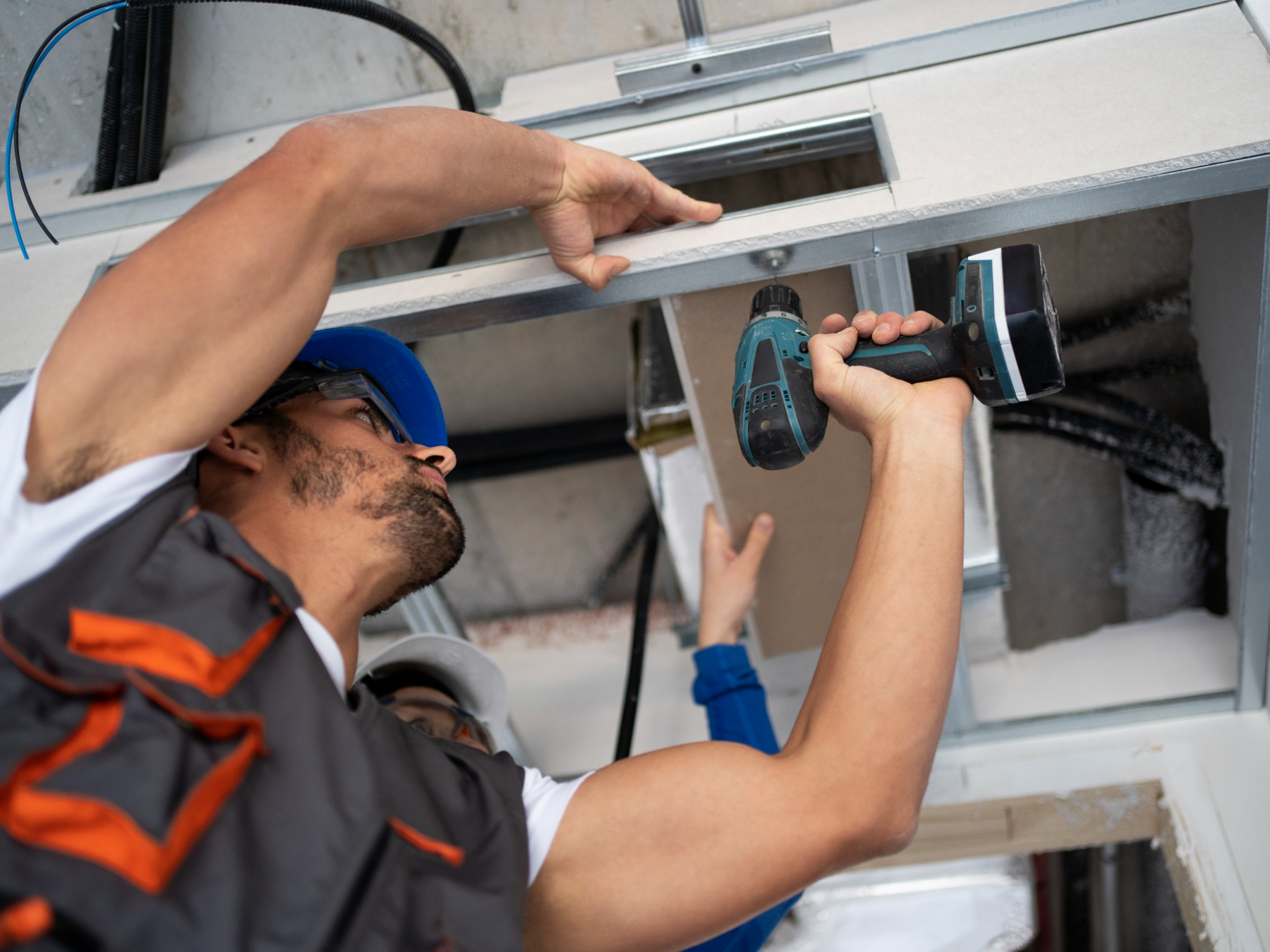
Not every hardware failure requires a new door. A door with sound panels, a sound frame, and properly functioning tracks can be given years of additional service life by replacing springs, cables, rollers, and seals at appropriate service intervals.
There is a point, however, where cumulative hardware cost makes full replacement the more economical choice. Our repair vs replacement guide walks through that decision clearly, including the calculation homeowners can apply to their own situation.
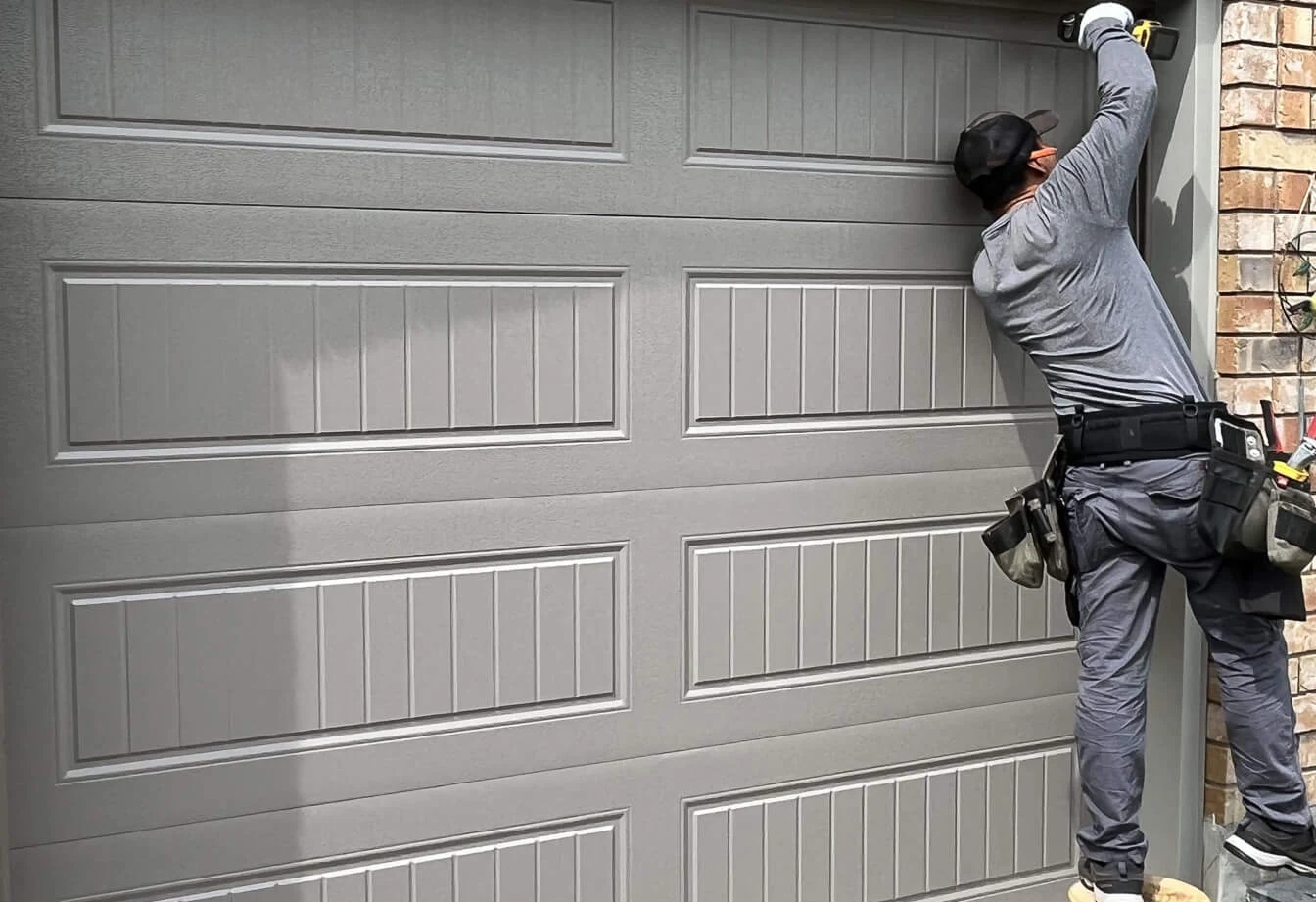
Legacy Garage Doors supplies and services garage door hardware throughout Toronto, Scarborough, Mississauga, Vaughan, Markham, Pickering, Etobicoke, North York, Richmond Hill, Aurora, and Hamilton. Our Mississauga location and Hamilton area confirm hardware service coverage in those communities.
Common hardware questions are answered at the help center.
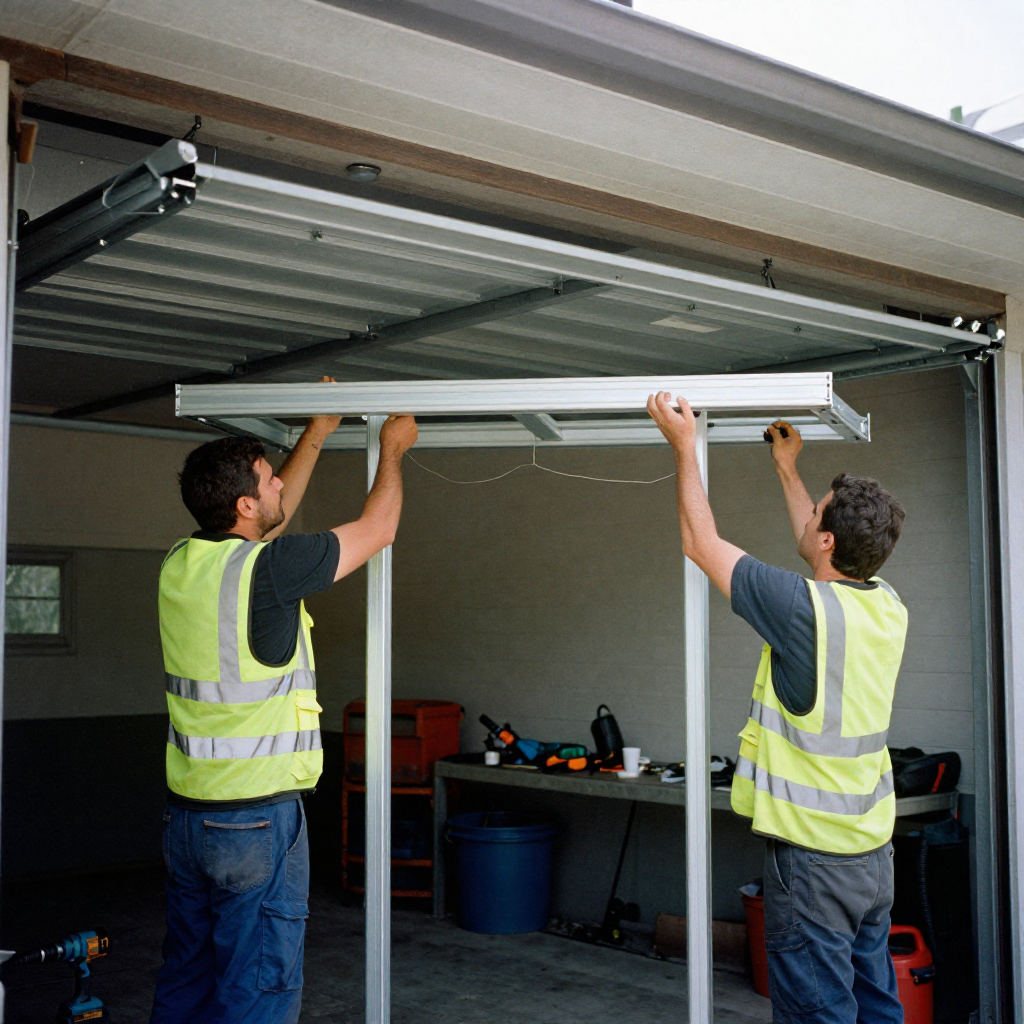
Read through our latest FAQs to stay informed about garage door trends and tips. Whether you’re looking for maintenance advice, installation guidance, or the latest industry news, our resources provide valuable information to help you make informed decisions.
Torsion springs and lift cables carry the most mechanical load and have the most direct safety impact when they fail. Rollers, tracks, and hinges affect daily performance. Weatherstripping and bottom seals affect energy efficiency and weatherproofing. Every component plays a role in overall system reliability.
Standard residential torsion springs are typically rated for 10,000 cycles. At two cycles per day, this is roughly 13 years. High-cycle springs rated at 25,000 or 50,000 cycles last significantly longer. Toronto’s cold accelerates metal fatigue, so springs should be inspected regularly after ten years of service.
Yes. Torsion springs on a two-spring system are installed as a matched pair and typically reach the end of their service life around the same time. When one breaks, the second is close behind. Replacing both at once avoids a second service call and keeps the door balanced.
Nylon rollers with sealed bearings are the best choice for most residential applications in Toronto. They operate significantly quieter than steel rollers, do not require lubrication, resist corrosion, and outlast standard steel rollers in typical residential use.
Inspect the cable visually along its full length. Broken strands, visible fraying, kinking, or rust staining on the cable surface all indicate replacement is needed. A door that hangs unevenly or drops on one side is also a sign of cable damage. Replace cables in pairs.
Bottom seals, weatherstripping, and decorative hardware can generally be replaced safely by a homeowner. Spring replacement, cable replacement, and track repair involve high-tension components that can cause serious injury if handled incorrectly. These repairs should be completed by a certified technician.
Spring replacement for a residential door typically ranges from $200 to $400. A full hardware refresh covering springs, cables, rollers, and hinges may range from $400 to $800 depending on door size and the components specified. Our GTA pricing provides a detailed cost breakdown.
Yes. The condition of weatherstripping and bottom seals directly affects thermal performance. Worn seals allow cold air infiltration that the door’s insulated panels cannot compensate for. A well-insulated door with failed seals performs significantly worse than its R-value rating suggests. Our insulated doors page explains how the full hardware assembly contributes to actual thermal performance.
Whether you are replacing worn components, specifying hardware for a new installation, or trying to understand why your door is noisy or slow, Legacy Garage Doors can give you accurate answers and the right parts for the job.
Call 437-229-8717 or request a call online. We serve Toronto and the full GTA with same-day availability for most hardware repair and inspection calls.
WhatsApp us
Facing an urgent issue with your garage door? We’re here to help you anytime, day or night.